News & Events

white plant

NEWS

O InPP participou no Fórum Nacional de Clubes Ciência Viva na Escola, que teve lugar no dia 27 de março, integrando a Mostra de Ciência e Tecnologia com um stand dedicado à proteção das plantas.

Neste espaço, foram apresentados diversos materiais demonstrativos, incluindo placas de Petri com fungos e bactérias, plantas, algas e exemplos de produtos formulados, com o objetivo de despertar o interesse e a curiosidade dos visitantes para a importância da saúde das plantas e da investigação científica nesta área.

Ao longo do dia, a Gestora de Comunicação, Inês Ferreira, e o Gestor de Inovação, Paulo Madeira, dinamizaram o contacto com o público visitante, explicando de que forma a investigação em proteção das plantas contribui para melhorar a proteção das culturas e promover uma agricultura mais resiliente e sustentável.

O Fórum Nacional de Clubes Ciência Viva na Escola decorreu no CNEMA, em Santarém, reunindo escolas, centros Ciência Viva, universidades, centros de investigação e diversas outras entidades, num encontro dedicado à ciência, tecnologia e inovação.

O InPP agradece a todos os visitantes que passaram pelo seu stand, destacando a importância destes momentos de partilha para promover o conhecimento científico junto da comunidade.

No dia 26 de março, o InPP participou numa sessão promovida pela Agência Nacional de Inovação (ANI), em Lisboa, que contou com a presença de uma comitiva da República Checa ligada ao setor das biotecnologias.

Em representação do InPP estiveram Cristina Azevedo, Diretora de Biosoluções, e Paulo Madeira, Gestor de Inovação, que apresentou a instituição e as suas principais áreas de atuação e competências.

A iniciativa teve como principal objetivo identificar oportunidades de cooperação entre entidades portuguesas e checas, nomeadamente nas áreas de transferência de tecnologia, codesenvolvimento, ensaios pré-clínicos e diagnósticos, coinvestimento e internacionalização da inovação.

A sessão contou com a participação de representantes de entidades relevantes da República Checa, incluindo Petra Kinzlova, CEO da Prague.bio, Katarina Psenakova, Head of Biology da PharmTheon, bem como representantes da Embaixada da República Checa e da Academia das Ciências da República Checa.

Este encontro contribuiu para reforçar o posicionamento do InPP na promoção de parcerias internacionais e no desenvolvimento de soluções inovadoras, evidenciando o compromisso contínuo da instituição em fortalecer redes de colaboração científica e tecnológica e em contribuir para o crescimento e internacionalização da inovação.

O InPP marcou presença no Encontro com orizicultores e técnicos(as) em Portugal, promovido pela EDAF, que decorreu no dia 5 de março, no Pólo de Inovação de Salvaterra de Magos, em Santarém.

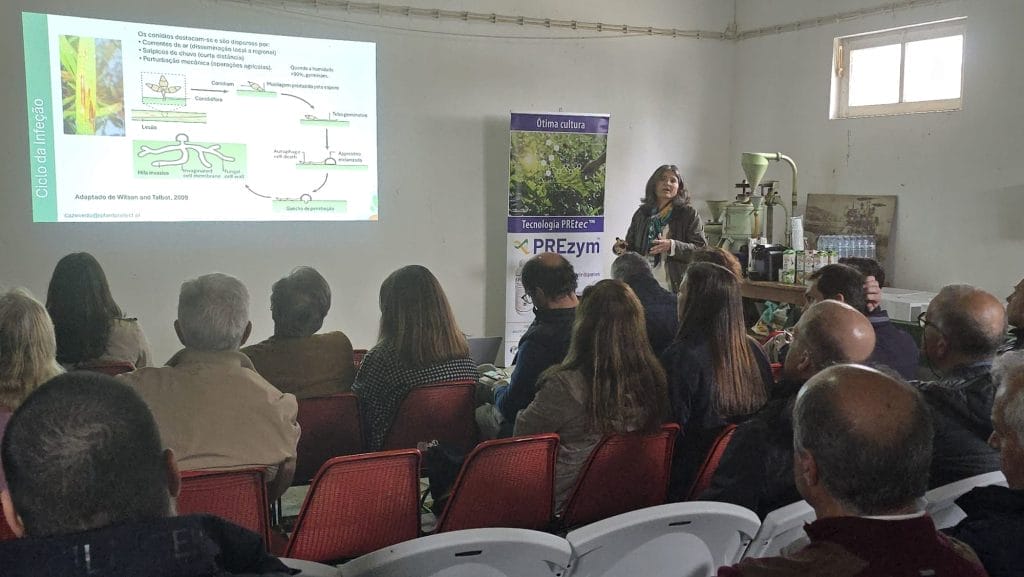
A Diretora de Biosoluções do InPP, Cristina Azevedo, integrou o painel de oradores convidados, tendo apresentado a comunicação intitulada “A problemática da Pyricularia na cultura do arroz”. A apresentação incidiu sobre os principais desafios fitossanitários associados a esta doença, que continua a constituir uma das maiores ameaças à produção de arroz a nível mundial e também em Portugal.

WhatsApp Image 2026 03 06 at 14.28.18

O encontro reuniu produtores, técnicos e especialistas da fileira do arroz, proporcionando um espaço de partilha de conhecimento e debate sobre soluções atuais e em desenvolvimento para o controlo da piriculariose. Foram igualmente abordados outros temas relevantes para a sustentabilidade e produtividade da cultura, nomeadamente a gestão da fertilização.

A participação do InPP neste tipo de iniciativas reforça o compromisso da instituição com a inovação, a transferência de conhecimento e o desenvolvimento de soluções sustentáveis para a agricultura nacional.

O InPP agradece à EDAF e ao COTArroz o convite e a organização deste importante encontro, esperando que esta colaboração continue a fortalecer-se no futuro.

EVENTS

Sometimes, if you're inside a building, it's hard to tell whether or not it's raining outside. However, you will easily conclude that it is raining if you see people with open umbrellas. The umbrella is an accessory that helps human beings deal with their environment.

Bacteria can also use “accessories” to better cope with their environments. These accessories, however, have much more profound effects on the lives of microbes, as they take the form of genes that can be integrated into their own genomes. These “accessory” genes are obtained from other microbes or from the environment, and can play various roles, from allowing bacteria to resist antibiotics to enabling symbiotic associations with plants.

Image: Adrianna Calvo/ Pexels

At InPP, the Data Management and Risk Analysis Department is comparing bacterial genomes to identify those that have “accessory” genes that can help plants defend themselves better against pathogens. On the other hand, these analyses also allow us to rule out bacterial strains that could have adverse effects. This information will be crucial for identifying microbes and microbial characteristics that are important for plant protection.

Tobacco whitefly uses a stolen gene to avoid the host's defenses. The discovery is highly relevant to pest control.

The first known case of a natural gene transfer from a plant to an insect has been identified by an international team of researchers. The insect is a whitefly and the discovery could pave the way for new pest control strategies, according to a report published in the newspaper Nature.

Scientists have discovered that Bemisia tabaci appropriated a gene from a host plant millions of years ago, reveals a article published in Cell. The gene allows this pest to neutralize a toxin produced by certain plants to defend themselves against insects.

Some whiteflies use plant genes to render toxins harmless. Image: Gaucho/ Wiki

This aleirodid, also known as the bean or sweet potato whitefly, although it attacks many other vegetable crops, is a worldwide pest and one of the most destructive we know of. A Bemisia tabaci ingests the sugary sap of hundreds of types of plants, excreting a sweet, sticky substance, honeydew, which then serves as a medium for fungi to grow. Whiteflies are also vectors for more than a hundred viruses that are pathogenic to plants.

“It's a remarkable example of how the study of evolution can underpin new approaches to applications such as crop protection,” says Andrew Gloss, who studies plant-pest interactions at the University of Chicago in the USA. The study suggests that inhibiting the gene identified could make this whitefly vulnerable to the toxin, opening up a new way of combating this pest.

Protecting plants from pathogens without genetically modifying crops? A team of Chinese researchers suggests an alternative strategy in the latest issue of Plant Communications.

The biotechnological methods that currently exist to create crops that are resistant to pests and diseases are limited in their applicability, mainly because they are based on transgenics or surface application (which does not allow access to the inner areas of the plant). A scientists' proposal involves the use of small RNA produced by beneficial microbes for crop protection, guaranteeing the stability and delivery of these RNAs to the appropriate place and time.

RNA associated with beneficial microbes in the microbiome to protect crops against pathogens.

The strategy, which eliminates “the need for genetic modification of cultures”, assumes that small RNAs (sRNAs) can be transferred from the microbiome to the host and pathogen, or between elements of the microbiome.

sRNAs are the crucial molecular devices of so-called gene silencing via RNA interference, a mechanism that regulates gene expression at both the transcriptional and post-transcriptional levels.

Title of original article: Trans-kingdom RNAs and their fates in recipient cells: advances, utilization, and perspectives

doi.org/10.1016/j.xplc.2021.100167