News & Events

white plant

NEWS

O InPP participou no Fórum Nacional de Clubes Ciência Viva na Escola, que teve lugar no dia 27 de março, integrando a Mostra de Ciência e Tecnologia com um stand dedicado à proteção das plantas.

Neste espaço, foram apresentados diversos materiais demonstrativos, incluindo placas de Petri com fungos e bactérias, plantas, algas e exemplos de produtos formulados, com o objetivo de despertar o interesse e a curiosidade dos visitantes para a importância da saúde das plantas e da investigação científica nesta área.

Ao longo do dia, a Gestora de Comunicação, Inês Ferreira, e o Gestor de Inovação, Paulo Madeira, dinamizaram o contacto com o público visitante, explicando de que forma a investigação em proteção das plantas contribui para melhorar a proteção das culturas e promover uma agricultura mais resiliente e sustentável.

O Fórum Nacional de Clubes Ciência Viva na Escola decorreu no CNEMA, em Santarém, reunindo escolas, centros Ciência Viva, universidades, centros de investigação e diversas outras entidades, num encontro dedicado à ciência, tecnologia e inovação.

O InPP agradece a todos os visitantes que passaram pelo seu stand, destacando a importância destes momentos de partilha para promover o conhecimento científico junto da comunidade.

No dia 26 de março, o InPP participou numa sessão promovida pela Agência Nacional de Inovação (ANI), em Lisboa, que contou com a presença de uma comitiva da República Checa ligada ao setor das biotecnologias.

Em representação do InPP estiveram Cristina Azevedo, Diretora de Biosoluções, e Paulo Madeira, Gestor de Inovação, que apresentou a instituição e as suas principais áreas de atuação e competências.

A iniciativa teve como principal objetivo identificar oportunidades de cooperação entre entidades portuguesas e checas, nomeadamente nas áreas de transferência de tecnologia, codesenvolvimento, ensaios pré-clínicos e diagnósticos, coinvestimento e internacionalização da inovação.

A sessão contou com a participação de representantes de entidades relevantes da República Checa, incluindo Petra Kinzlova, CEO da Prague.bio, Katarina Psenakova, Head of Biology da PharmTheon, bem como representantes da Embaixada da República Checa e da Academia das Ciências da República Checa.

Este encontro contribuiu para reforçar o posicionamento do InPP na promoção de parcerias internacionais e no desenvolvimento de soluções inovadoras, evidenciando o compromisso contínuo da instituição em fortalecer redes de colaboração científica e tecnológica e em contribuir para o crescimento e internacionalização da inovação.

O InPP marcou presença no Encontro com orizicultores e técnicos(as) em Portugal, promovido pela EDAF, que decorreu no dia 5 de março, no Pólo de Inovação de Salvaterra de Magos, em Santarém.

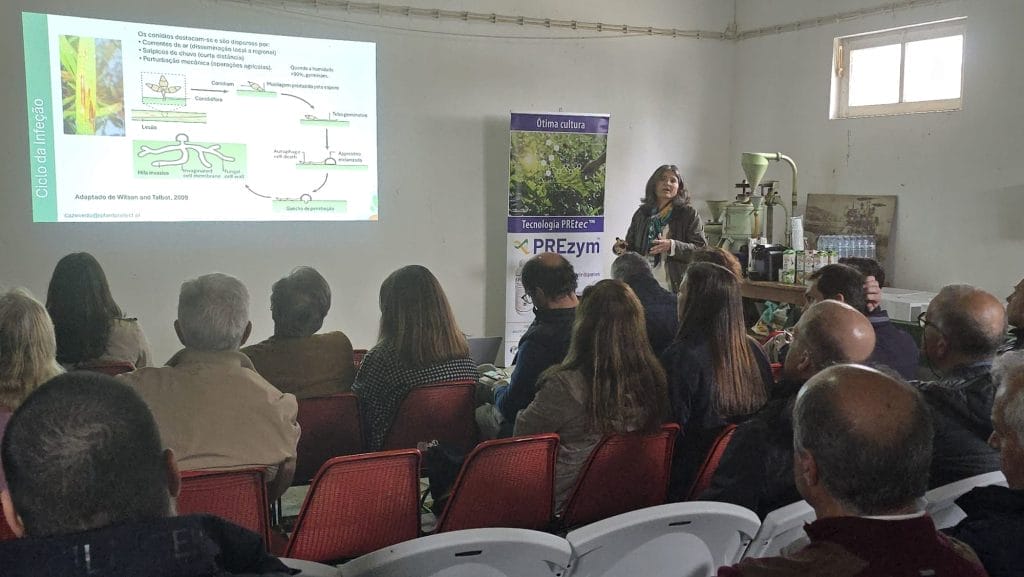
A Diretora de Biosoluções do InPP, Cristina Azevedo, integrou o painel de oradores convidados, tendo apresentado a comunicação intitulada “A problemática da Pyricularia na cultura do arroz”. A apresentação incidiu sobre os principais desafios fitossanitários associados a esta doença, que continua a constituir uma das maiores ameaças à produção de arroz a nível mundial e também em Portugal.

WhatsApp Image 2026 03 06 at 14.28.18

O encontro reuniu produtores, técnicos e especialistas da fileira do arroz, proporcionando um espaço de partilha de conhecimento e debate sobre soluções atuais e em desenvolvimento para o controlo da piriculariose. Foram igualmente abordados outros temas relevantes para a sustentabilidade e produtividade da cultura, nomeadamente a gestão da fertilização.

A participação do InPP neste tipo de iniciativas reforça o compromisso da instituição com a inovação, a transferência de conhecimento e o desenvolvimento de soluções sustentáveis para a agricultura nacional.

O InPP agradece à EDAF e ao COTArroz o convite e a organização deste importante encontro, esperando que esta colaboração continue a fortalecer-se no futuro.

EVENTS

Wheat is a crop of great importance for human nutrition around the world. Due to climate change, the Puccinia striiformis tritici (Pst), the fungus that causes yellow rust on wheat, has developed the ability to overcome the plant's defenses. The spores of the fungus spread by aerial dispersal and can reach thousands of kilometers.

Consequently, the rust disease is transboundary and must therefore be dealt with internationally. Around the world, there are several institutions (CIMMYT, ICARDA, GRRC) and initiatives (RustWatch, RustTracker, Globalrust) committed to solving this problem by improving disease diagnostic tools, building new online research and communication infrastructures to share knowledge.

InPP's Crop Protection and Monitoring and Diagnostics Departments are working together, and in collaboration with RustWatch, to fill gaps in the data on the epidemiology of yellow rust, in order to understand the special dynamics of the disease and build an early warning system (EWS).

The Monitoring and Diagnostics Department has developed a form for a mobile application (ODK Collect), through which wheat growers can easily collect data in the field. This information will be fed in real time into a spatial database and a map of sampling sites, published from a webGIS service ad hoc.

To this end, we are also instructing producers on how to use the application and access the maps from the webGIS service. Paulo Velez, from Cersul - Agrupamento de Produtores de Cereais do Sul, was the first to receive the training. Thank you very much for your participation!

See one teaser of our tutorial for accessing app and forms here.

© 2021 InnovPlantProtect, All rights reserved

As part of the XfSTOP project, led by InnovPlantProtect's New Biopesticides Department, which aims to use biological control tools to manage the bacterium Xylella fastidiosa in olive groves, members of the team that makes up this department went on a field trip to Herdade de Reguengo, belonging to INIAV, in Elvas, on February 10th.

With the help of INIAV researchers Rocio Calderón-Arias and António Cordeiro, the InPP team collected olive tree samples of different varieties (Leccino, Cobrançosa and Arbequina), making it possible to optimize protocols for the isolation of symbiotic bacteria that live inside olive trees, the endophytes.

These endophytes, inhabitants of the same ecological niche as the Xylella, The endophyte will be used to produce our biopesticide, explains Cristina Azevedo, director of the Department. The idea is to reintroduce the endophyte into the olive tree, which represents a sustainable way of producing a growth inhibitor for Xylella.

© 2021 InnovPlantProtect, All rights reserved

The Bio-based Industries Consortium has appointed InnovPlantProtect as the CoLab at the forefront of Portugal's bid to become a leader in the European Green Deal.

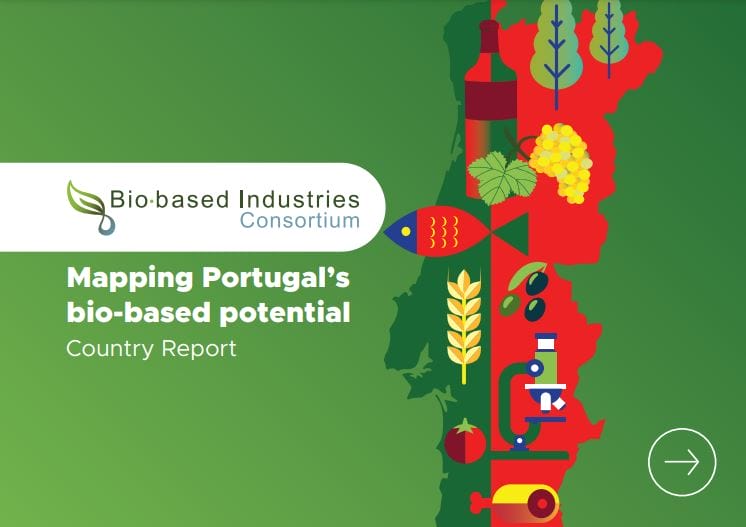
InnovPlantProtect is mentioned as a player to take into account in the latest Bio-based Industries Consortium (BIC) report on Portugal's bio-based potential. The document lists 14 collaborative laboratories, public-private entities “dedicated to developing market-oriented research” related to the bioeconomy.

Entitled Mapping Portugal's bio-based potential - Country Report, The report draws attention to the existence in Portugal of several research centers “well located in all regions” that support the bioeconomy and bio-based R&D and industrial activities. Among them is the InnovPlantProtect (InPP) collaborative laboratory (CoLab), based in Elvas, which is dedicated to developing innovative bio-based solutions for crop protection.

The BIC report on Portugal is available online.

The 61-page document, available in full online, reveals “all the potential that Portugal possesses to become one of the world's front-runners European Green Deal”. The study also underlines “the existence of a robust innovation ecosystem in Portugal and highlights the country's growing influence as a leader in the biotechnology sector”.

“The emerging bioeconomy sector in Portugal already contributes nearly 20 billion euros to the national economy and the BIC study shows that there are new opportunities to accelerate green economic growth in the country,” reads a PRESS RELEASE of the organization, which brings together more than 240 members and represents the private sector in the European Bio-based Industries Joint Undertaking.

© 2021 InnovPlantProtect, All rights reserved