News & Events

white plant

NEWS

O InPP participou no Fórum Nacional de Clubes Ciência Viva na Escola, que teve lugar no dia 27 de março, integrando a Mostra de Ciência e Tecnologia com um stand dedicado à proteção das plantas.

Neste espaço, foram apresentados diversos materiais demonstrativos, incluindo placas de Petri com fungos e bactérias, plantas, algas e exemplos de produtos formulados, com o objetivo de despertar o interesse e a curiosidade dos visitantes para a importância da saúde das plantas e da investigação científica nesta área.

Ao longo do dia, a Gestora de Comunicação, Inês Ferreira, e o Gestor de Inovação, Paulo Madeira, dinamizaram o contacto com o público visitante, explicando de que forma a investigação em proteção das plantas contribui para melhorar a proteção das culturas e promover uma agricultura mais resiliente e sustentável.

O Fórum Nacional de Clubes Ciência Viva na Escola decorreu no CNEMA, em Santarém, reunindo escolas, centros Ciência Viva, universidades, centros de investigação e diversas outras entidades, num encontro dedicado à ciência, tecnologia e inovação.

O InPP agradece a todos os visitantes que passaram pelo seu stand, destacando a importância destes momentos de partilha para promover o conhecimento científico junto da comunidade.

No dia 26 de março, o InPP participou numa sessão promovida pela Agência Nacional de Inovação (ANI), em Lisboa, que contou com a presença de uma comitiva da República Checa ligada ao setor das biotecnologias.

Em representação do InPP estiveram Cristina Azevedo, Diretora de Biosoluções, e Paulo Madeira, Gestor de Inovação, que apresentou a instituição e as suas principais áreas de atuação e competências.

A iniciativa teve como principal objetivo identificar oportunidades de cooperação entre entidades portuguesas e checas, nomeadamente nas áreas de transferência de tecnologia, codesenvolvimento, ensaios pré-clínicos e diagnósticos, coinvestimento e internacionalização da inovação.

A sessão contou com a participação de representantes de entidades relevantes da República Checa, incluindo Petra Kinzlova, CEO da Prague.bio, Katarina Psenakova, Head of Biology da PharmTheon, bem como representantes da Embaixada da República Checa e da Academia das Ciências da República Checa.

Este encontro contribuiu para reforçar o posicionamento do InPP na promoção de parcerias internacionais e no desenvolvimento de soluções inovadoras, evidenciando o compromisso contínuo da instituição em fortalecer redes de colaboração científica e tecnológica e em contribuir para o crescimento e internacionalização da inovação.

O InPP marcou presença no Encontro com orizicultores e técnicos(as) em Portugal, promovido pela EDAF, que decorreu no dia 5 de março, no Pólo de Inovação de Salvaterra de Magos, em Santarém.

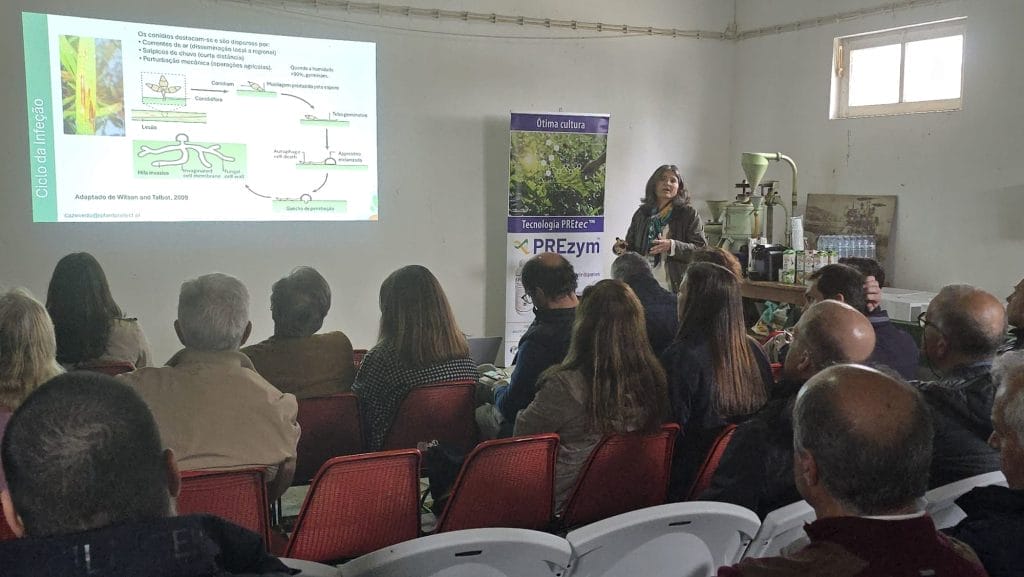
A Diretora de Biosoluções do InPP, Cristina Azevedo, integrou o painel de oradores convidados, tendo apresentado a comunicação intitulada “A problemática da Pyricularia na cultura do arroz”. A apresentação incidiu sobre os principais desafios fitossanitários associados a esta doença, que continua a constituir uma das maiores ameaças à produção de arroz a nível mundial e também em Portugal.

WhatsApp Image 2026 03 06 at 14.28.18

O encontro reuniu produtores, técnicos e especialistas da fileira do arroz, proporcionando um espaço de partilha de conhecimento e debate sobre soluções atuais e em desenvolvimento para o controlo da piriculariose. Foram igualmente abordados outros temas relevantes para a sustentabilidade e produtividade da cultura, nomeadamente a gestão da fertilização.

A participação do InPP neste tipo de iniciativas reforça o compromisso da instituição com a inovação, a transferência de conhecimento e o desenvolvimento de soluções sustentáveis para a agricultura nacional.

O InPP agradece à EDAF e ao COTArroz o convite e a organização deste importante encontro, esperando que esta colaboração continue a fortalecer-se no futuro.

EVENTS

The Department of Formulations and Process Development for the Application of Biopesticides is dedicated to the design and production of encapsulation and transport systems, suitable for protecting our biological agents from the degradation that occurs during prolonged storage and during application. These protective and carrier systems, which are nanometric and micrometric in size, will be incorporated into solid and liquid formulations in a format that adapts to the specific agricultural application for which they have been designed.

Formulations can be solid or liquid.

After understanding the specific needs of each bioagent, we adjust the characteristics of the respective transport systems accordingly and also focus on developing viable manufacturing processes, potentially scalable to industrial volumes.

Solid nanoparticles, lipid nanoemulsions and polymeric microcapsules will be developed, obtained using precise and sophisticated processes already adopted by the industry. Innovation will be sought through the use of sustainable ingredients and combinations with previous systems, for easier adoption by the biocontrol market.

Image by Hans Reniers | Unsplash

“The current legislation on GMOs [genetically modified organisms], adopted in 2001, is not suitable for the new genomic techniques (NTG),” says the long-awaited study published by the European Commission (EC) at the request of the Council of the European Union (EU). O document led the EC to announce which will “initiate a broad and open consultation process to discuss the design of a new legal framework for these biotechnologies”.

“The study shows that NTG, which are techniques for altering the genome of an organism, have the potential to contribute to a more sustainable food system within the framework of the objectives of the European Green Deal and Farm to Fork Strategy“, says the EC statement. “With consumer and environmental safety as the guiding principle, the time has come to establish an open dialogue with citizens, Member States and the European Parliament in order to decide together on the way forward for the use of these biotechnologies in the EU,” stresses Stella Kyriakides, Commissioner for Health and Food Safety.

“NTGs have the potential to contribute to a more sustainable food system.”

The report identifies limitations to the legislation's ability to keep up with scientific developments, causing implementation challenges and illegal uncertainties, which need to be resolved. It recognizes that it may not be justifiable to apply different levels of regulatory oversight to products with similar degrees of risk, as in the case of conventionally improved plants and those obtained from certain NTGs.

“Future regulatory actions will need to address the knowledge gaps and limitations identified in this study.” In addition, “a greater effort should be made to inform and involve the public regarding NGTs, and to assess their opinions,” admits the EC.

Entitled ‘Study on the status of new genomic techniques under Union law and in light of the Court of Justice ruling in Case C-528/16’, the study examines the current state of NTG, “taking into account the ‘state of the art’ of knowledge and the views of EU countries and stakeholders”. The Council of the EU requested this state of play on NTG under European law (Directive 2001/18/ECRegulation (EC) 1829/2003Directive 2009/41/EC e Regulation (EC) 1830/2003), in the light of the judgment of the Court of Justice in Case C-528/16.

Image by Congerdesign | Pixabay

“The current GMO legislation, adopted in 2001, is not fit for purpose for New Genomic Techniques (NGTs)”, says the awaited study published by the European Commission (EC), at the request of the EU Council. The document prompted the EC to announce the start of a “wide and open consultation process to discuss the design of a new legal framework for these biotechnologies”.

“The study shows that NGTs, which are techniques to alter the genome of an organism, have the potential to contribute to a more sustainable food system as part of the objectives of the European Green Deal and the Farm to Fork Strategy”, states the EC in the related press release. “With the safety of consumers and the environment as the guiding principle, now is the moment to have an open dialogue with citizens, Member States and the European Parliament to jointly decide the way forward for the use of these biotechnologies in the EU”, emphasizes Stella Kyriakides, Commissioner for Health and Food Safety.

The study identifies limitations to the capacity of legislation to keep pace with scientific developments, causing implementation challenges and legal uncertainties, which need to be addressed. It recognizes it may not be justified to apply different levels of regulatory oversight to similar products with similar levels of risk, as is the case for plants conventionally bred and obtained from certain NGTs.

“Future policy action would need to address the knowledge gaps and limitations identified in this study”. Furthermore, “importantly, more effort should be made to inform and engage with the public on NGTs and assess their views”, admits the EC.

Entitled ‘Study on the status of new genomic techniques under Union law and in light of the Court of Justice ruling in Case C-528/16’, the report examines the status of NGTs “taking into account the state of the art knowledge and the views of the EU countries and stakeholders”. The Council of the European Union asked for this study, regarding the status of new genomic techniques under Union Law (Directive 2001/18/ECRegulation (EC) 1829/2003Directive 2009/41/EC and Regulation (EC) 1830/2003), in light of the Court of Justice's judgment in Case C-528/16.

Image by Congerdesign, from Pixabay