Já está disponível a iCountPests, uma nova aplicação desenvolvida pelo InnovPlantProtect para apoiar a monitorização de pragas agrícolas através da análise automática de imagens captadas em campo.
A app utiliza inteligência artificial para contabilizar automaticamente pragas presentes em armadilhas adesivas, permitindo obter resultados rápidos e fiáveis diretamente no telemóvel.
Pensada para produtores e técnicos agrícolas, a iCountPests contribui para uma monitorização mais eficiente e precisa, reduzindo o tempo associado às contagens manuais e apoiando a tomada de decisão na proteção das culturas.
O funcionamento é simples:
Captar uma imagem da armadilha
Analisar automaticamente
Consultar resultados organizados e acessíveis
A app permite ainda acompanhar a evolução das pragas ao longo do tempo, facilitando a gestão e o registo da informação no terreno.
A monitorização de pragas é uma tarefa essencial na gestão agrícola, mas continua a depender, em muitos casos, de processos manuais demorados e sujeitos a erro.
A pensar nesta realidade, o InnovPlantProtect irá lançar brevemente a iCountPests, uma aplicação inovadora que utiliza inteligência artificial para automatizar a contagem de pragas a partir de imagens captadas no campo.
Com a iCountPests, será possível obter resultados rápidos e fiáveis, contribuindo para uma tomada de decisão mais informada e eficiente na proteção das culturas.
A aplicação estará brevemente disponível, sendo direcionada a produtores agrícolas e técnicos que procuram otimizar o tempo dedicado à monitorização e melhorar a precisão dos dados recolhidos.
Uma nova tecnologia de revestimento biológico de sementes desenvolvida pelo InnovPlantProtect (InPP), em colaboração com a Fertiprado, poderá vir a transformar o desempenho de pastagens e forragens, contribuindo para sistemas agrícolas mais eficientes e sustentáveis.
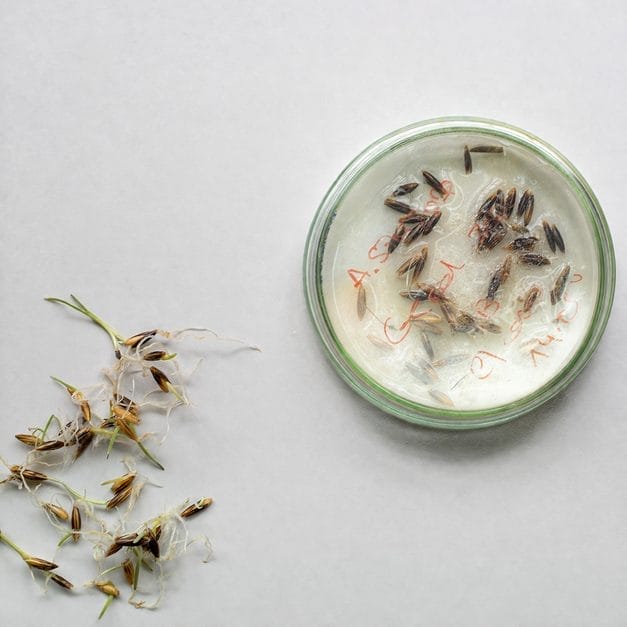
Baseada em compostos derivados de algas, esta solução inovadora apresenta efeito bioestimulante e foi concebida para atuar desde as fases iniciais do desenvolvimento das plantas. Os ensaios realizados demonstraram resultados promissores ao nível da estimulação da nodulação em leguminosas, do crescimento vegetativo e da resistência das plantas a condições adversas, com impacto positivo no valor nutricional do pasto.
Este desenvolvimento resulta de um percurso de investigação conjunta que decorreu ao longo de cinco anos, refletindo o compromisso contínuo do InPP em transformar conhecimento científico em soluções com aplicação prática no setor agrícola. A tecnologia encontra-se atualmente em processo de patenteamento e representa um marco relevante no pipeline de inovação do laboratório.
Para a Fertiprado, parceiro estratégico neste projeto, esta tecnologia constitui uma alternativa aos revestimentos tradicionais baseados em compostos sintéticos, reforçando a aposta em soluções mais sustentáveis e alinhadas com as necessidades futuras da agricultura.
O desenvolvimento desta solução insere-se na Agenda Mobilizadora Pacto da Bioeconomia Azul, financiada pelo Plano de Recuperação e Resiliência (PRR), iniciativa que promove a valorização de recursos marinhos através da criação de novos produtos e tecnologias. Como parte do processo de valorização da tecnologia, foi assinado um memorando de entendimento com vista à sua futura exploração comercial.
Num contexto em que a procura por biosoluções agrícolas continua a crescer, iniciativas colaborativas como esta demonstram o papel fundamental da investigação aplicada na resposta aos desafios da sustentabilidade e da produtividade agrícola.
Investigação com impacto no setor agrícola
O trabalho desenvolvido pelo InPP evidencia o valor da colaboração entre ciência e indústria, permitindo acelerar processos de inovação e criar soluções ajustadas às necessidades reais do setor agrícola.
A parceria com empresas constitui um dos pilares estratégicos do InPP, promovendo a transferência de conhecimento científico e o desenvolvimento de tecnologias que contribuem para sistemas agrícolas mais resilientes e sustentáveis.
We are very pleased to announce the recent visit and knowledge-sharing session with our associateAntonio Villalobos, Agronomic Solutions Manager at Bayer Crop Science Portugal.
During the meeting, António Villalobos gave a comprehensive overview of the radical transformation that the crop protection sector is going through, highlighting two crucial vectors of innovation for the Sustainable Agriculture of the future: the growth of Biological Solutions and the advance of Digital Tools.
Trends and Key Messages
The presentation highlighted the new paradigm guiding agricultural strategy, driven by the need for greater sustainability and efficiency:
European leadership in reducing inputs: Europe has been at the forefront of the sharp reduction in available conventional protective active ingredients, which requires an unavoidable commitment to the constant innovation in the search for safer and more effective alternatives.
The Rise of the Biological: The future of crop protection undeniably lies in biological solutions. These compounds - which include biopesticides, biostimulants e biofertilizers - represent around 20% of the global Crop Protection market by 2030.
Functions of Biological Compounds: These products are used as biocontrol (against pests and diseases), biostimulants (improving tolerance to stress and nutrition) and biofertilizers (increasing the efficiency of nutrient absorption).
The Essential Role of Digital Tools: Digital technologies are the cornerstones of modern and precise agricultural management. Examples include risk forecasting (weather, pests), waste calculation and management and optimization of water management.
Paradigm Shift: From Products to Integrated Solutions: The sector is witnessing an evolution in companies“ portfolios, which are migrating from offering isolated ”products" to Integrated Solutions. These solutions strategically combine quality seeds, conventional synthetic products (in optimized and reduced doses), biological compounds and digital tools for more robust, efficient pest and disease control in line with sustainability objectives.
Recognition
Special thanks to Antonio Villalobos and Bayer Crop Science for the continuous collaboration and inspiring sharing of knowledge in a field that is proving to be fundamental for the competitiveness and sustainability of Portuguese agriculture.
On November 12, InnovPlantProtect (InPP) had the pleasure of welcoming researchers from iBET - Institute of Experimental Biology and Technology, for a session dedicated to valorization of wine production by-products as sustainable biopesticides.
The session was attended by Naiara Fernández, Senior Scientist and Leader of the iBET Technology Platform, and of João Baixinho, D. student on the same platform. The researchers shared the center's mission and main lines of research, with particular emphasis on the development of new biopesticides with high potential for agricultural application.
Innovation and the Circular Bioeconomy
The focus of the presentation was on the exploitation of wine-growing by-products, transforming waste into high value-added solutions for crop protection.
Potential Biopesticides: The compounds under study showed promising properties, being able to inhibit disease-causing microorganisms in crops and to exercise effective mite control, It represents a sustainable alternative to conventional phytopharmaceuticals.
The Tec4Green Project: The role of the project was highlighted Tec4Green, This is a mobilizing agenda co-funded by the Recovery and Resilience Plan (PRR). This ambitious project brings together 18 strategic partners with the aim of developing a new generation of products for crop protection and nutrition, in line with the principles of the circular bioeconomy and sustainability.
Thank you
InPP would like to thank iBET for the visit and the inspiring sharing of knowledge in an area that is crucial for the future of crop protection and the advancement of sustainable agriculture in Portugal.
InnovPlantProtect (InPP) was honored to receive, on October 15th, the Hubel Verde, our newest associate. The visit provided a sharing session on the innovative solutions that the company provides for the management and protection of agricultural crops.
During the meeting, João Caço, Executive Director of Hubel Verde, and Margarida Mota, Innovation Coordinator, presented the company, its mission and its vast portfolio of products. innovative and sustainable solutions. These solutions are designed to respond effectively to the diverse needs and realities of the field in Portuguese agriculture.
Spotlight on Technology and Efficiency
The presentation focused on technologies aimed at increasing efficiency and sustainability in the sector:
Low Volume Electrostatic Nebulizers: Special attention was paid to this cutting-edge technology, which allows for a more precise, economical and efficient application of crop protection products, minimizing waste and environmental impact.
Integrated Services and Solutions: Hubel Verde highlighted its scientific know-how in integrated services and solutions which cover various aspects of crop management. These holistic approaches are crucial to ensuring the greatest success and profitability of agricultural activity.
Recognition and Collaboration
InPP would like to thank Hubel Verde for the visit and the valuable sharing of knowledge and technologies. Your experience is fundamental to the development and modernization of crop protection and agriculture in Portugal.



 Português
  English