News & Events

white plant

NEWS

O InPP participou no Fórum Nacional de Clubes Ciência Viva na Escola, que teve lugar no dia 27 de março, integrando a Mostra de Ciência e Tecnologia com um stand dedicado à proteção das plantas.

Neste espaço, foram apresentados diversos materiais demonstrativos, incluindo placas de Petri com fungos e bactérias, plantas, algas e exemplos de produtos formulados, com o objetivo de despertar o interesse e a curiosidade dos visitantes para a importância da saúde das plantas e da investigação científica nesta área.

Ao longo do dia, a Gestora de Comunicação, Inês Ferreira, e o Gestor de Inovação, Paulo Madeira, dinamizaram o contacto com o público visitante, explicando de que forma a investigação em proteção das plantas contribui para melhorar a proteção das culturas e promover uma agricultura mais resiliente e sustentável.

O Fórum Nacional de Clubes Ciência Viva na Escola decorreu no CNEMA, em Santarém, reunindo escolas, centros Ciência Viva, universidades, centros de investigação e diversas outras entidades, num encontro dedicado à ciência, tecnologia e inovação.

O InPP agradece a todos os visitantes que passaram pelo seu stand, destacando a importância destes momentos de partilha para promover o conhecimento científico junto da comunidade.

No dia 26 de março, o InPP participou numa sessão promovida pela Agência Nacional de Inovação (ANI), em Lisboa, que contou com a presença de uma comitiva da República Checa ligada ao setor das biotecnologias.

Em representação do InPP estiveram Cristina Azevedo, Diretora de Biosoluções, e Paulo Madeira, Gestor de Inovação, que apresentou a instituição e as suas principais áreas de atuação e competências.

A iniciativa teve como principal objetivo identificar oportunidades de cooperação entre entidades portuguesas e checas, nomeadamente nas áreas de transferência de tecnologia, codesenvolvimento, ensaios pré-clínicos e diagnósticos, coinvestimento e internacionalização da inovação.

A sessão contou com a participação de representantes de entidades relevantes da República Checa, incluindo Petra Kinzlova, CEO da Prague.bio, Katarina Psenakova, Head of Biology da PharmTheon, bem como representantes da Embaixada da República Checa e da Academia das Ciências da República Checa.

Este encontro contribuiu para reforçar o posicionamento do InPP na promoção de parcerias internacionais e no desenvolvimento de soluções inovadoras, evidenciando o compromisso contínuo da instituição em fortalecer redes de colaboração científica e tecnológica e em contribuir para o crescimento e internacionalização da inovação.

O InPP marcou presença no Encontro com orizicultores e técnicos(as) em Portugal, promovido pela EDAF, que decorreu no dia 5 de março, no Pólo de Inovação de Salvaterra de Magos, em Santarém.

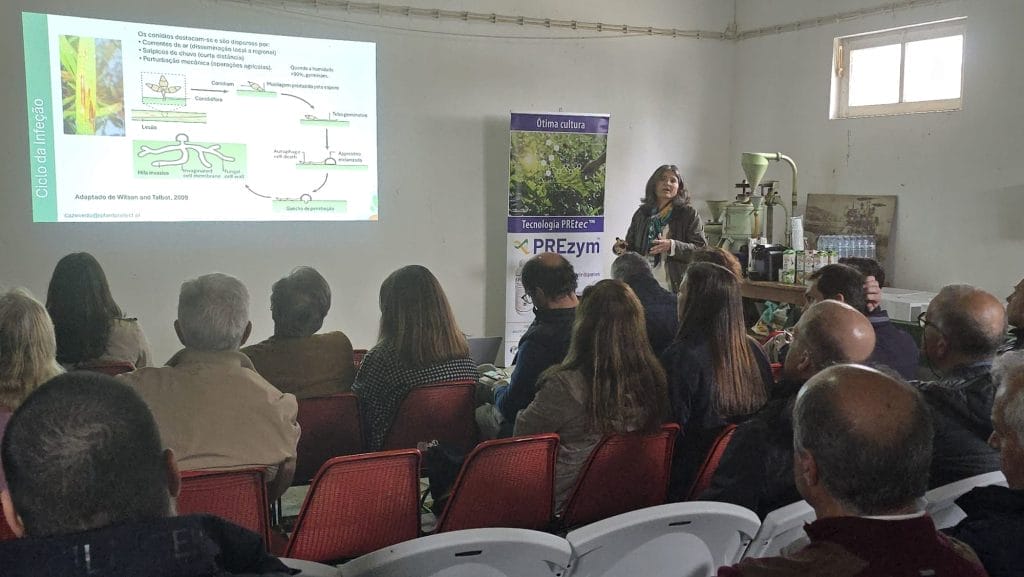
A Diretora de Biosoluções do InPP, Cristina Azevedo, integrou o painel de oradores convidados, tendo apresentado a comunicação intitulada “A problemática da Pyricularia na cultura do arroz”. A apresentação incidiu sobre os principais desafios fitossanitários associados a esta doença, que continua a constituir uma das maiores ameaças à produção de arroz a nível mundial e também em Portugal.

WhatsApp Image 2026 03 06 at 14.28.18

O encontro reuniu produtores, técnicos e especialistas da fileira do arroz, proporcionando um espaço de partilha de conhecimento e debate sobre soluções atuais e em desenvolvimento para o controlo da piriculariose. Foram igualmente abordados outros temas relevantes para a sustentabilidade e produtividade da cultura, nomeadamente a gestão da fertilização.

A participação do InPP neste tipo de iniciativas reforça o compromisso da instituição com a inovação, a transferência de conhecimento e o desenvolvimento de soluções sustentáveis para a agricultura nacional.

O InPP agradece à EDAF e ao COTArroz o convite e a organização deste importante encontro, esperando que esta colaboração continue a fortalecer-se no futuro.

EVENTS

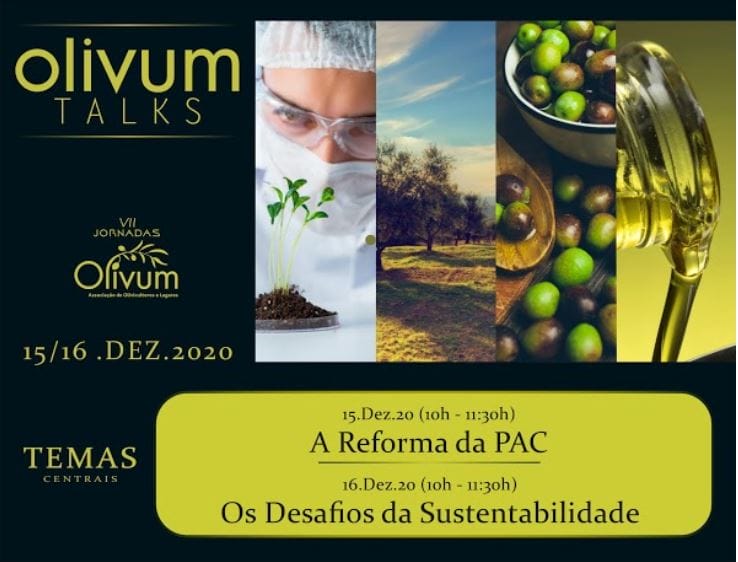
The 7th Olivum Conference will be held on December 15 and 16, this time in digital format. The first day of the event will be dedicated to the “Reform of the CAP” and the second to the “Challenges of sustainability”.

The “Reform of the CAP” will be discussed on the first day of the seventh edition of the Olivum Days, which will be held online on December 15 and 16. The session on the 15th will feature the Minister of Agriculture, Maria do Céu Antunes, MEP Isabel Carvalhais, from the Agriculture Committee, João Pacheco, Senior Fellow at think-tank Farm Europe, Paulo Gouveia, Chief Policy Adviser at COPA-COGECA, and, as moderator, the director of Diário de Notícias Rosália Amorim.

The “Challenges of Sustainability” will be the subject of analysis on the second day of the event, moderated by Isabel Martins, director of Revista Sustentável, and with speeches by Jorge Moreira da Silva, Director of Development and Cooperation at the Organization for Economic Cooperation and Development, João Wengorovius Menezes, Secretary General of the Business Council for Sustainable Development, José Pedro Salema, Chairman of the Board of Directors of Empresa de Desenvolvimento e Infra-Estruturas do Alqueva and João Luís Barroso, Director of Sustainability at the Alentejo Regional Wine Commission.

On both days, the sessions take place between 10:00 and 11:30. Participation is free, but requires registration previous.

This image has a blank alternative text, the image name is pesticides-1024x575.jpg

Can Europe help feed a growing population while reducing the impact of agriculture on climate and biodiversity? Can farmers produce enough food without pesticides? Can pesticides be part of intelligent pest control, using new and innovative technologies? Find out more later in the webinar “Pesticides and a Resilient Food System”.

The debate on pesticide use is becoming increasingly contentious in Europe. As part of the Green Deal initiative launched in December last year, the European Commission is reviewing the Sustainable Use of Pesticides Directive. But this is an effort that only leads to a more fundamental discussion about the sustainable use of pesticides.

In this fundamental discussion, questions arise such as: can Europe help feed a growing population and keep farmers in business, while reducing the impact of agriculture on the climate and biodiversity? Can farmers produce enough food without pesticides? Can pesticides be part of smart pest management, which uses new and innovative technologies?

On the first anniversary of the Green Deal, Bayer is promoting an Oxford-style webinar on resilience, where two teams will ‘face off’, with the motion for the debate being “Pesticides are not necessary for a resilient food system in the European Union”.

Register to watch. The debate starts today at 16:45 (Portuguese time).

The iPlanta conferences returned this year in a different format to usual, with three webinars on RNA intervention technology (RNAi) and a panel of speakers made up of international researchers.

After the theme “Development of RNAi-based pesticides: new opportunities” on December 1, the 4th edition of the iPlanta conferences starts again today at 5pm, this time dedicated to the environmental biosafety of RNAi-based pesticides. The third and final day of the event will be on December 14, also at 5pm, where regulatory issues will be discussed.

Participation is free but requires registration. Watch the videos of the first session here e here.

iPlanta is a COST action, a European organization that promotes and funds the networking in research and technology. Chaired by Bruno Mezzetti, it aims to review existing and future applications of RNAi, create a bioinformatics database, develop specific biosafety protocols, define post-market monitoring requirements and methods for RNAi plants, and encourage, promote and disseminate research reports by scientists involved in RNAi-related studies.

The importance of the iPlanta Conferences lies in the urgent need to find more effective solutions, through the application of RNAi, one of the new breeding techniques, to combat the pathogenic interactions faced by crops, which are responsible for the loss of substantial amounts of agricultural production worldwide, including in Portugal, where around 40 % of crops are lost every year. In global terms, the figures are similar: according to estimates by the Food and Agriculture Organization of the United Nations (FAO), between 20% and 40% of crops are destroyed every year due to pests and diseases.

With the estimated increase in population, modern agriculture is facing one of its greatest challenges: guaranteeing food supplies for 10 billion people in just 30 years' time. The application of RNAi technology promises to respond effectively to this challenge.