News & Events

white plant

NEWS

CCDR Alentejo visita o InPP para conhecer de perto a atividade do CoLAB

O InnovPlantProtect (InPP) recebeu, esta quarta-feira, a visita da Vice-Presidente da Comissão de Coordenação e Desenvolvimento Regional do Alentejo (CCDR Alentejo), Helena Cavaco, numa oportunidade para apresentar a missão, as infraestruturas e o trabalho que o CoLAB desenvolve em prol da inovação e da competitividade do setor agroalimentar.

A visita teve início com uma apresentação institucional conduzida pelo Diretor Executivo do InPP, António Saraiva, onde foram apresentados o modelo colaborativo do CoLAB, as suas principais áreas de atuação e o contributo que tem vindo a dar para aproximar a ciência das necessidades das empresas e dos produtores agrícolas.

Seguiu-se um percurso pelas instalações de investigação e experimentação do InPP, incluindo os laboratórios, as câmaras climáticas e a estufa, permitindo dar a conhecer algumas das capacidades técnico-científicas da organização e os projetos atualmente em desenvolvimento em colaboração com empresas, produtores e restantes parceiros do ecossistema de inovação.

Sediado em Elvas, no Alto Alentejo, o InPP afirma-se como um exemplo de como é possível desenvolver investigação e desenvolvimento (I&D) de excelência, atrair investimento e gerar inovação a partir de um território do interior de baixa densidade. A proximidade às empresas, aos produtores e ao território constitui um dos principais fatores diferenciadores do CoLAB, permitindo desenvolver soluções com aplicação prática que respondem aos desafios da agricultura e contribuem para um setor mais resiliente, sustentável e competitivo.

A visita constituiu também uma oportunidade para refletir sobre o papel que centros de inovação sediados no interior desempenham na dinamização do tecido económico regional, na atração e retenção de talento qualificado, na valorização do conhecimento e no reforço da competitividade das cadeias de valor agroalimentares, gerando impacto económico e social na região e no país.

O InPP agradece à Vice-Presidente da CCDR Alentejo a visita, o interesse demonstrado e a oportunidade de partilhar a visão e o trabalho que tem vindo a desenvolver ao serviço da inovação, da transferência de conhecimento e da competitividade do setor agroalimentar.

Image credits: InnovPlantProtect - Inês Ferreira

InnovPlantProtect reforça proximidade com os media através de um Press Kit dedicado

O InnovPlantProtect disponibiliza uma nova página de Press Kit, criada para facilitar o acesso da comunicação social a informação institucional e promover uma comunicação mais próxima, rigorosa e acessível sobre os desafios e a inovação na agricultura.

Num contexto em que temas como as alterações climáticas, as pragas e doenças emergentes, as biosoluções ou a agricultura digital assumem uma importância crescente, o InPP pretende contribuir para que o debate público seja sustentado por conhecimento científico sólido e informação baseada na evidência.

A nova área reúne diversos recursos destinados a jornalistas e profissionais da comunicação, incluindo uma apresentação institucional do InnovPlantProtect, materiais de identidade visual, informação sobre a organização e os contactos da equipa de comunicação.

Para além destes recursos, o InnovPlantProtect disponibiliza a sua equipa multidisciplinar para colaborar com os órgãos de comunicação social através de entrevistas, comentários especializados e esclarecimentos sobre temas relacionados com a proteção de culturas, inovação agrícola, soluções biológicas e digitais e investigação aplicada.

Esta iniciativa reforça o compromisso do InPP com uma comunicação científica clara e acessível, aproximando o conhecimento desenvolvido no laboratório colaborativo da sociedade e contribuindo para uma maior literacia sobre os desafios e oportunidades da agricultura.

Consulte o Press Kit do InnovPlantProtect here.

InnovPlantProtect apresenta novo vídeo institucional e reforça a sua estratégia de comunicação

O InnovPlantProtect (InPP) acaba de lançar o seu novo vídeo institucional, uma peça que reflete a identidade do CoLAB, a sua missão e a visão que orienta o desenvolvimento de soluções biológicas e digitais para uma agricultura mais sustentável, resiliente e preparada para responder aos desafios atuais e do futuro.

Mais do que uma apresentação institucional, o vídeo destaca as pessoas que fazem parte do InPP, a cultura de colaboração que caracteriza a organização e o compromisso diário com a inovação, a transferência de conhecimento e a criação de valor para o setor agroalimentar.

Enquanto CoLAB, o InPP promove a aproximação entre ciência e indústria, reunindo empresas, instituições científicas e outros parceiros em torno do desenvolvimento de soluções inovadoras que respondam às necessidades reais da agricultura. O novo vídeo traduz esse posicionamento e evidencia a forma como o conhecimento científico é transformado em soluções com impacto para a competitividade, a sustentabilidade e a digitalização do setor.

Este lançamento integra a estratégia de reforço da comunicação institucional do InPP, iniciada no início deste ano com a renovação do website. O novo vídeo representa mais um passo na afirmação da identidade da organização e na forma como comunica com empresas, parceiros, clientes, investidores e instituições, e toda a comunidade ligada ao setor agrícola e agroalimentar.

Assista ao vídeo já disponível no canal de YouTube do InnovPlantProtect here e descobra a história, os valores e a visão que impulsionam o trabalho desenvolvido pelo InPP.

EVENTS

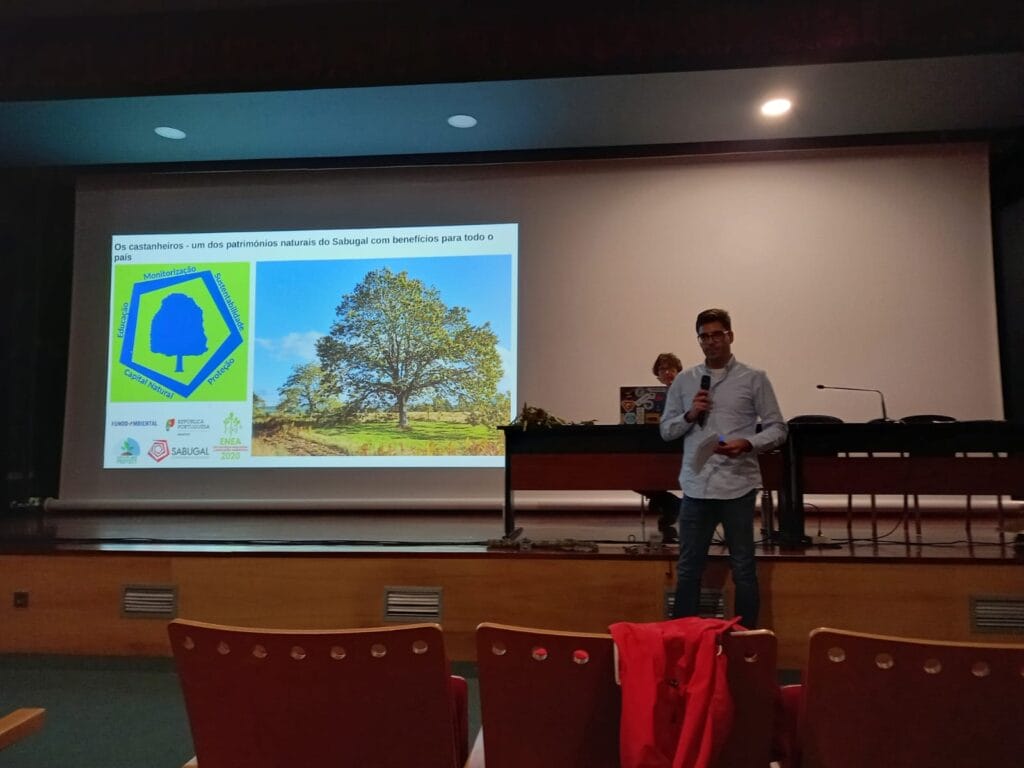
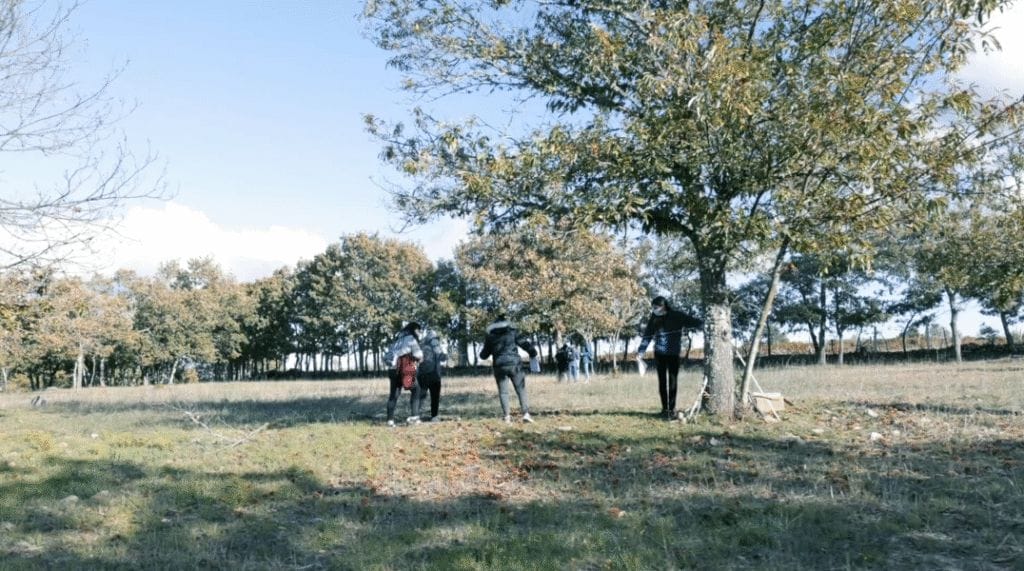
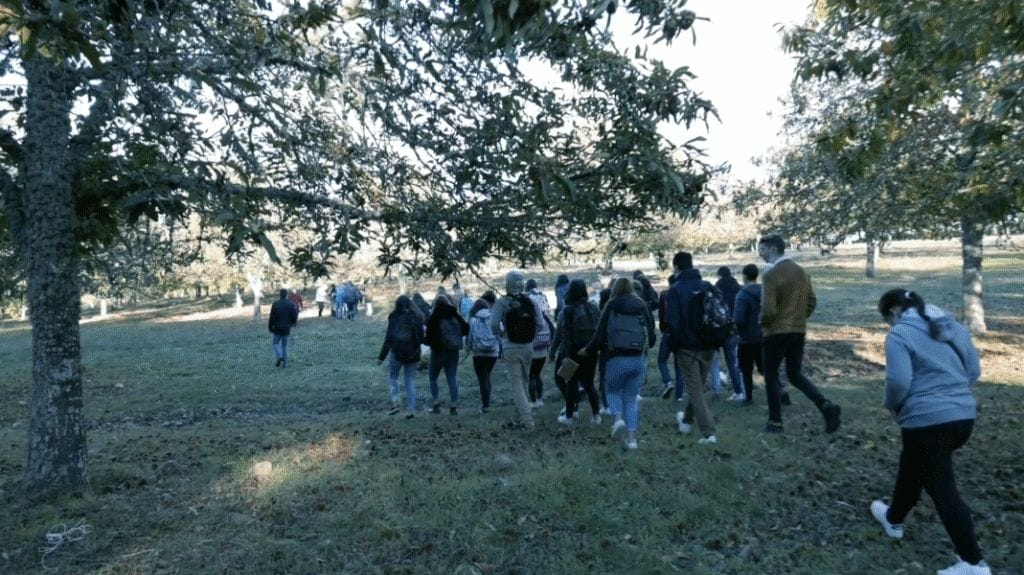
The talking chestnut trees arrive at the Sabugal School Group

The project “Educating to know, protect and monitor chestnut trees through IoT technology”, The project, co-financed by the Environmental Fund, was presented last week to 12th grade students from the Sabugal School Group.

Around 50 Biology, Technology and Tourism students spent part of the morning and afternoon of November 4 with the InnovPlantProtect (InPP) team, in order to understand the importance of protecting trees, and in particular chestnut trees, a local natural heritage. The project, led by InPP, is directed by Sabugal Town Hall (CMS).

The day was an Education 4.0 experience, in which traditional subjects such as Biology and Ecology were integrated with a description and explanation of the application of “Internet of Things” (IoT) technology to tree monitoring. Incidentally, the presentation coincided with the COP 26 Climate Summit, which ties in perfectly with the main issues being discussed in Glasgow, Scotland.

In the afternoon, the pupils were taken to a meadow used as a study area by the InPP and CMS team. It was there that they were able to see and understand first-hand how IoT sensors work. The visit to the grove was an opportunity for them to take part in practical exercises and learn how to measure some of the physical parameters of trees, such as height, diameter and crown width using traditional methods, while at the same time seeing more modern tools in action.

Sampling and molecular identification of yellow rust in Portugal

With in-depth knowledge of the strains and breeds that exist in the country, the Elvas CoLAB can thus devise more efficient and targeted combat strategies.

InnovPlantProtect (InPP) is analyzing yellow rust samples collected from wheat fields in Portugal. Identification at InPP is carried out using PCR techniques and analysis of DNA fragments using SeqStudio, which makes it possible to determine the lineage of the fungus by examining molecular markers.

The polymerase chain reaction, or PCR, is a technique that allows you to copy a specific region of DNA, in vitro. SeqStudio is a sequencing machine that also allows the length of fragments to be measured, from which it is possible to correlate the size of different molecular markers with a given lineage.

Yellow rust is a disease caused by the fungus Puccinia striiformis f. sp. tritici, This pathogen, which affects wheat and other cereals all over the world, jeopardizes the future and stability of cereal crops. This pathogen is biologically very dynamic, adapting quickly to climate change and to the resistant cereal varieties that are being introduced onto the market.


A. Yellow rust on wheat; B. Molecular markers amplified by PCR on an agarose gel; C. Fragment analysis to determine the size of the markers and establish the fungal lineage

So far, the PstS10 strain, the most prevalent in Europe, has been identified. PstS10 has proved to be very aggressive, affecting wheat varieties that were previously resistant to yellow rust. The race of this strain was determined by RustWatch in Denmark to be Benchmark. InPP sent samples to this European project to combat wheat rusts, which, among many other aspects, also involves genotyping and identifying the strains and races of the fungus that causes yellow rust.

With in-depth knowledge of the strains and races present in Portugal, the InPP can therefore devise more efficient and targeted combat strategies, by improving wheat varieties resistant to yellow rust and developing bioinspired control agents.

InnovPlantProtect's project to combat this disease was started in March 2020.

Puglia warns farmers about ineffective cures for Xylella fastidiosa

No product currently on the market is capable of eliminating Xylella fastidiosa, the Commission for the Regional Budget of Puglia, southern Italy. The bacterium continues to seriously affect olive groves in Italy's main olive oil producing region.

“The two products marketed in recent weeks as a treatment against the drying out of trees, and useful for bringing plants back to their original glory, are a mixture of natural soaps or adjuvants,” said the director of Puglia's phytosanitary observatory, Salvatore Infantino, at a public hearing, quoted by OliveOilTimes. The heads of the regional budget commission for this area of southern Italy, which forms the “heel” of the “boot”, guarantee that there are currently no products on the market capable of eliminating the bacteria Xylella fastidiosa of infected trees, particularly olive trees.

This bacterium is the most active pathogen affecting olive trees in Italy's main olive oil producing region. For Salvatore Infantino, the development of a product capable of combating it remains an important goal for many of those striving to reduce the devastation caused by the bacteria. Xylella fastidiosa.

Public authorities must not make the mistakes of the past by giving credence to unscientific theories that have already caused so much damage and wasted so much time.

Fabiano Amati, president of Puglia's regional budget committee

A Xylella fastidiosa was first detected in the European Union precisely in Puglia, in October 2013, and was responsible for an outbreak that, by 2015, had already infected one million olive trees in this Italian region alone. “Currently, good agricultural practices and eradication are the only weapons we have against the Xylella, It's a way of saving time while we wait for a truly effective treatment,” says Salvatore Infantino.

Olive groves infested with Xylella fastidiosa, Puglia, Italy, 2019.

Image: WIKI/ Sjor