News & Events

white plant

NEWS

AlViGen project strengthens genomic surveillance of agricultural diseases in Alentejo

The final workshop highlighted three years of research dedicated to the early detection of pathogens in crops such as wheat and olive groves.

The project AlViGen has reached its final stretch, concluding three years of research focused on the genomic surveillance of agricultural diseases. The results now presented promise to strengthen the Alentejo agricultural sector's ability to respond to emerging phytosanitary threats.

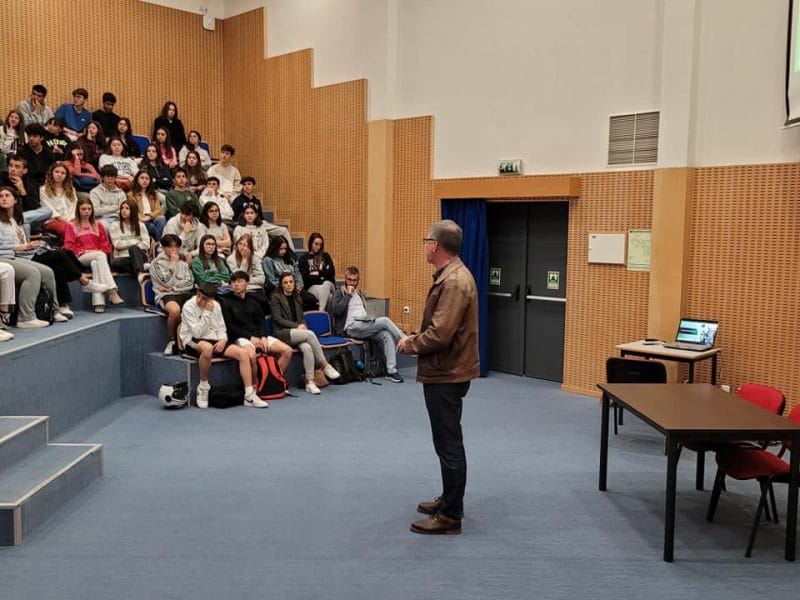
On the day October 23rd, The final project workshop, The event brought together researchers, producers and technicians to share results and reflect on the future of genomic surveillance in Portuguese agriculture.

A pioneering genomic surveillance center

During AlViGen, the Alentejo's first genomic surveillance center, an infrastructure with capacity for early detection of diseases in strategic crops such as wheat and olive grove. This breakthrough marks a decisive step towards a more precise, sustainable and science-based agriculture.

Results and scientific contributions

Using innovative molecular tools, the project team succeeded:

  • Identify pathogenic fungi before visible symptoms appear on the plants;
  • Characterizing yellow rust strains, genetically linking them to others known at a global level;
  • Detecting resistance genes in wheat to the strains currently present in Portugal;
  • Developing diagnostic methods able to distinguish the different species of the fungus that causes gafa in olive groves.

During the workshop, the potential of the analysis of the airborne fungi community as a tool for early warning for multiple pathogens, allowing for more effective and preventive management of crop diseases.

From research to practical application

The event ended with a debate on how transform AlViGen results in a detection and warning service accessible to the agricultural sector. The initiative reflects the joint commitment between science, innovation and production, with a view to protecting national agriculture from the challenges of the future.

Partnerships and thanks

InnovPlantProtect would like to thank all the partners and funders of the project:
University of Évora, John Innes Centre, INIAV, De Prado, CERSUL, Eugénio de Almeida Foundation, Torre das Figueiras Estate, Almojanda, Malheiro Estate, Directorate-General for Food and Veterinary (DGAV), la Caixa“ Foundation”, BPI Bank e Foundation for Science and Technology (FCT).

Image credits: InnovPlantProtect - Inês Ferreira

InPP was in Italy for the kick-off meeting of the European PROSPER project

InPP took part in the kick-off meeting for the European PROSPER project, held on October 2 and 3 in Pavia, Italy. In attendance were the director of the Monitoring and Diagnostics Department, Ilaria Marengo, and the project manager, Bruno Orrico.

PROSPER's main objective is to transform European agriculture by valorizing highly resilient “orphan” legumes - forgotten crops, but full of potential to face the climate and food challenges of the future.

The project promotes sustainable, innovative practices adapted to different agricultural realities.

Over the two days, 27 partners from 13 countries met for presentations, in-depth discussions and strategic talks about the project's next steps.

We are excited about what comes next, certain that this journey will be more than a collaboration - it will be a true cooperation within an exceptional team.

Join us and keep up to date with all the news from the PROSPER Project!

InPP is part of the BioLivingLABS project, dedicated to the sustainability of inland territories

InnovPlantProtect (InPP) was present at the project launch meeting BioLivingLABS - Bioeconomia ao Serviço da Sustentabilidade dos Territórios do Interior (Bioeconomy at the Service of the Sustainability of Inland Territories), which took place on October 1st at the School of Agriculture of the Polytechnic Institute of Castelo Branco (IPCB).

Funded by COMPETE 2023, the BioLivingLABS project, led by MORE CoLAB - Laboratório Colaborativo Montanhas de Investigação, in partnership with the InPP, the IPCB, from AQUAVALOR and the Polytechnic Institute of Bragança (IPB).

This project's mission is to add value to the low-density territories in the north, center and south of the country by demonstrating and economically boosting the work carried out by the partners - through the creation, demonstration and application of products, processes and services resulting from joint research.

Four living laboratories will be created (Living Labs) in the innovation hubs of Mirandela, Douro, Covilhã and Elvas, which they intend to promote:

  • the transfer of knowledge;
  • technology demonstration;
  • strategic roadmapping and
  • the protection of intellectual property.

BioLivingLABS strengthens the link between academia, business and society, driving innovation and sustainability.

Expected impact:
Over the course of 24 months, and with Living Labs dedicated to sectors such as olive groves and olive oil, vineyards and wine, fruit and cereals, legumes, among others, the project will contribute to:

  • increase regional competitiveness;
  • promote sustainable practices and
  • responding to the environmental, social and economic challenges facing inland territories.

More news about this new project soon.

EVENTS

InPP esteve em Badajoz para participar em workshop sobre saúde do solo no Montado e implementação de laboratórios vivos

O InnovPlantProtect (InPP) participou no workshop “PREPSOIL Regional Soil Needs” que teve lugar no dia 13 de abril de 2023, em Finca La Cocosa, em Badajoz, Espanha. Este workshop visou debater sobre o estado de saúde do solo no Montado ou Dehesa e os laboratórios vivos como ferramentas para o futuro.

O workshop teve como principal objetivo envolver a comunidade local e compreender qual a sua perspetiva em relação às principais necessidades do solo dos sistemas agroflorestais da região espanhola.

Os diretores de departamento do InPP, iLaria Marengo e Ricardo Ramiro, e a investigadora Manisha Sirsat participaram na iniciativa, que teve como público-alvo o setor privado, a academia, investigadores e políticos, e na qual se explorou os seguintes temas: desafios na saúde do solo do montado/dehesa, relação entre a captura de carbono e a saúde do solo e laboratórios vivos como ferramenta para a saúde futura do solo destes sistemas agroflorestais.

O wokshop foi organizado no âmbito do projeto “PREPSOIL – Preparing for the Soil Deal for Europe Mission”, cofinanciado pelo programa Horizonte Europa, que pretende aumentar a consciencialização e o conhecimento sobre a saúde do solo através da interação, partilha de conhecimento e co-aprendizagem sobre o papel dos solos saudáveis para a sociedade. Impulsionado por um consórcio de 19 parceiros na vanguarda das iniciativas europeias e nacionais do solo, o projeto arrancou a 1 de julho de 2022 com o objetivo de apoiar a Missão da UE para a Saúde do Solo.

Cartaz de divulgação do workshop “PREPSOIL Regional Soil Needs”, que decorreu no passado dia 13 de abril, em Badajoz.

InPP marcou presença em seminário sobre as Agendas Mobilizadoras no Alentejo

O InnovPlantProtect (InPP) participou no evento “Agendas Mobilizadoras no Alentejo”, um seminário de apresentação e debate de Agendas Mobilizadoras no âmbito do Plano de Recuperação e Resiliência (PRR) com investimentos na região do Alentejo, organizado pelo Parque do Alentejo de Ciência e Tecnologia (PACT) e pela Comissão de Coordenação e Desenvolvimento Regional do Alentejo (CCDR Alentejo), e que decorreu no passado dia 4 de abril, no auditório do PACT, em Évora.

A sessão teve como objetivo fazer um ponto de situação das várias agendas e contou com a participação de representantes do Governo, do Professor Pedro Dominguinhos, Presidente da Comissão Nacional de Acompanhamento do PRR, bem como com a presença de vários representantes de empresas líderes de agenda e entidades copromotoras de agendas, representantes de municípios da região, entre outros, e uma breve intervenção de Isabel Ferreira, Secretária de Estado do Desenvolvimento Regional.

No seminário, que contou com mais de 100 participantes, foram apresentadas 17 das 32 agendas mobilizadoras com investimentos na região, das quais o InPP faz parte de duas – a InsectERA e o Pacto de Bioeconomia Azul -, às quais se seguiu um momento de discussão, moderado por Tiago Teotónio Pereira, Vogal Executivo na CCDR Alentejo, com Pedro Dominguinhos, e António Oliveira das Neves, consultor para a EREI 2030 do Alentejo.

Nesta iniciativa existiu ainda um momento de networking e coffee break, durante o qual foi também possível analisar os 32 posters em exposição que davam conta das diferentes dimensões de cada agenda.

De acordo com os dados disponibilizados no site do IAPMEI – Agência para a Competitividade e Inovação, na globalidade, estas 32 agendas mobilizadoras representam um valor total de aproximadamente 5 936 562 795,22 €, dos quais 770 168 093,18 € estão alocados ao Alentejo. Esta aposta na região provém de cerca de 110 entidades copromotoras de agendas que declararam em candidatura efetuar investimentos na região, no âmbito do PRR.

Esta iniciativa é ímpar a nível regional e está alinhada com a responsabilidade do PACT, enquanto líder do Sistema Regional de Transferência de Tecnologia (SRTT) e entidade agregadora, tendo em vista a coordenação de atividades de desenvolvimento regional, bem como a apresentação à comunidade do impacto que os investimentos do PRR estão a ter na região.

O PACT planeia realizar uma nova sessão no final do ano de 2023, na qual pretende fazer um novo ponto de situação e análise de resultados, em conjunto com as entidades que a nível nacional tutelam a gestão destas Agendas: o IAPMEI e o Ministério da Economia e do Mar.

Créditos de imagem: PACT

InPP vai a Clube de Ciência em Elvas

Na passada terça-feira, dia 28 de março, o InnovPlantProtect (InPP) esteve no Clube de Ciência do Agrupamento de Escolas n.° 3 de Elvas (Clube de Ciência AE3Elvas). Na iniciativa marcaram presença Pedro Fevereiro, diretor executivo do InPP, e Sandra Correia e Ricardo Ramiro, diretores de departamento.

O Pedro Fevereiro deu a conhecer o laboratório colaborativo e o trabalho de investigação e de inovação que tem sido desenvolvido por terras elvenses. Sandra Correia abordou o tema o que são biopesticidas, como se fazem, quais as vantagens e desvantagens destes em comparação com os pesticidas de síntese química, bem como os tipos de biopesticidas existentes. Ricardo Ramiro apresentou o conceito de microbioma aos alunos e explicou para que serve na agricultura.

A iniciativa realizou-se a convite do Clube de Ciência AE3Elvas, no âmbito dos “Dias Abertos do Agrupamento de Escolas n.° 3 de Elvas”.

Créditos de imagem: ©️Clube de Ciência AE3Elvas