Já está disponível a iCountPests, uma nova aplicação desenvolvida pelo InnovPlantProtect para apoiar a monitorização de pragas agrícolas através da análise automática de imagens captadas em campo.
A app utiliza inteligência artificial para contabilizar automaticamente pragas presentes em armadilhas adesivas, permitindo obter resultados rápidos e fiáveis diretamente no telemóvel.
Pensada para produtores e técnicos agrícolas, a iCountPests contribui para uma monitorização mais eficiente e precisa, reduzindo o tempo associado às contagens manuais e apoiando a tomada de decisão na proteção das culturas.
O funcionamento é simples:
Captar uma imagem da armadilha
Analisar automaticamente
Consultar resultados organizados e acessíveis
A app permite ainda acompanhar a evolução das pragas ao longo do tempo, facilitando a gestão e o registo da informação no terreno.
A monitorização de pragas é uma tarefa essencial na gestão agrícola, mas continua a depender, em muitos casos, de processos manuais demorados e sujeitos a erro.
A pensar nesta realidade, o InnovPlantProtect irá lançar brevemente a iCountPests, uma aplicação inovadora que utiliza inteligência artificial para automatizar a contagem de pragas a partir de imagens captadas no campo.
Com a iCountPests, será possível obter resultados rápidos e fiáveis, contribuindo para uma tomada de decisão mais informada e eficiente na proteção das culturas.
A aplicação estará brevemente disponível, sendo direcionada a produtores agrícolas e técnicos que procuram otimizar o tempo dedicado à monitorização e melhorar a precisão dos dados recolhidos.
Uma nova tecnologia de revestimento biológico de sementes desenvolvida pelo InnovPlantProtect (InPP), em colaboração com a Fertiprado, poderá vir a transformar o desempenho de pastagens e forragens, contribuindo para sistemas agrícolas mais eficientes e sustentáveis.
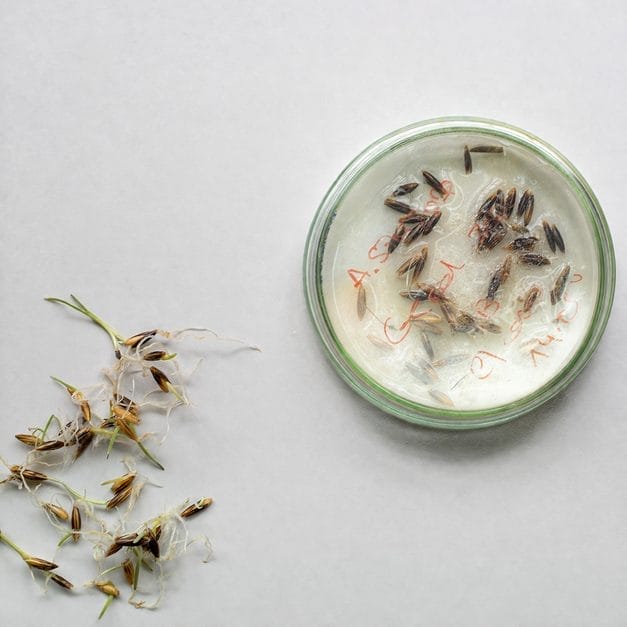
Baseada em compostos derivados de algas, esta solução inovadora apresenta efeito bioestimulante e foi concebida para atuar desde as fases iniciais do desenvolvimento das plantas. Os ensaios realizados demonstraram resultados promissores ao nível da estimulação da nodulação em leguminosas, do crescimento vegetativo e da resistência das plantas a condições adversas, com impacto positivo no valor nutricional do pasto.
Este desenvolvimento resulta de um percurso de investigação conjunta que decorreu ao longo de cinco anos, refletindo o compromisso contínuo do InPP em transformar conhecimento científico em soluções com aplicação prática no setor agrícola. A tecnologia encontra-se atualmente em processo de patenteamento e representa um marco relevante no pipeline de inovação do laboratório.
Para a Fertiprado, parceiro estratégico neste projeto, esta tecnologia constitui uma alternativa aos revestimentos tradicionais baseados em compostos sintéticos, reforçando a aposta em soluções mais sustentáveis e alinhadas com as necessidades futuras da agricultura.
O desenvolvimento desta solução insere-se na Agenda Mobilizadora Pacto da Bioeconomia Azul, financiada pelo Plano de Recuperação e Resiliência (PRR), iniciativa que promove a valorização de recursos marinhos através da criação de novos produtos e tecnologias. Como parte do processo de valorização da tecnologia, foi assinado um memorando de entendimento com vista à sua futura exploração comercial.
Num contexto em que a procura por biosoluções agrícolas continua a crescer, iniciativas colaborativas como esta demonstram o papel fundamental da investigação aplicada na resposta aos desafios da sustentabilidade e da produtividade agrícola.
Investigação com impacto no setor agrícola
O trabalho desenvolvido pelo InPP evidencia o valor da colaboração entre ciência e indústria, permitindo acelerar processos de inovação e criar soluções ajustadas às necessidades reais do setor agrícola.
A parceria com empresas constitui um dos pilares estratégicos do InPP, promovendo a transferência de conhecimento científico e o desenvolvimento de tecnologias que contribuem para sistemas agrícolas mais resilientes e sustentáveis.
Researchers have found evidence that Huanglongbing, also known as citrus greening, This is an immune-mediated disease, which can be mitigated with antioxidants and phytohormones such as gibberellin, lifting the veil on the mechanism that causes this disease. O article on this study was recently published in Nature Communications.
Huanglongbing disease, which affects citrus fruits and ornamental plants, is caused by the bacterium Candidatus liberibacter transmitted by the citrus psyllid, a biting-sucking insect vector that also causes considerable direct damage to plants. The African psyllid (Trioza erytreae), vector of the bacterium Candidatus liberibacter africanus, is listed as a quarantine pest in Europe and its presence in Portugal has been expanding. O citrus greening is considered the most serious disease for these plant species worldwide.
The team from the Citrus Research and Education Center at the University of Florida (USA) shows that the infection of orange trees (Citrus sinensis) by the bacterium Candidatus liberibacter asiaticus induces a chronic systemic immune response in the plant's phloem, mimicking chronic systemic inflammatory diseases in humans, which leads to the death of the cells that make up the phloem tissue.
The conclusion that this is an immune-mediated phytopathology “helps guide the battle against this infamous disease”, the authors state in the article. The researchers consider it likely that horticultural approaches that suppress the oxidative stress of infected plants could mitigate the damage, including the optimal use of plant growth hormones such as gibberellin and brassinosteroids, as well as treatments with antioxidants.
Members of the Elvas CoLAB team tell the camera what brought them to the raia and the “Queen of the Border”, and what led them to accept the challenge of building the InPP.
Because I believe in a more sustainable future
Joana Castro
January 24, 2022. 3rd anniversary of the signing of the public deed setting up the InnovPlantProtect - Association collaborative laboratory. What a journey! Congratulations to the entire team, associates, members of the governing bodies and partners who have contributed and are contributing today to the birth and growth of this young CoLAB.
Because it represented a huge challenge for my return to Portugal
Cristina Azevedo
Why our lives depend on plants
iLaria Marengo
Completing the multilingual, multicultural and multidiverse team of 39 people that make up InPP today was one of the great achievements of the last year. Find out what brought us to Elvas and why we decided to stake our professional and personal lives on the challenge that is InnovPlantProtect. Watch the video on our YouTube channel.
To put into practice the knowledge I've acquired over more than 12 years abroad in the service of my country's scientific development.
Cláudia Rato da Silva
“Building a new institution is always a challenge and a risk. These three years have shown just that: the need to take risks and accept the challenge of overcoming difficulty after difficulty,” recognizes Pedro Fevereiro, executive director of “CoLAB de Elvas”. “The pillar that sustains InnovPlantProtect is people. And it is to all the people who have accepted the challenge of coming to build that the (over)experience and growth of InPP is due. It will continue to grow. Thank you for that.”
For the chance to settle in the country I chose to live in and live in a beautiful city like Elvas
Márcio Almeida
To rid crops of pests using artificial intelligence
Manisha Sirsat
The chance to do what I love
Tiago Amaro
To apply the knowledge acquired in the biopharmaceutical industry to the discovery of biopesticides
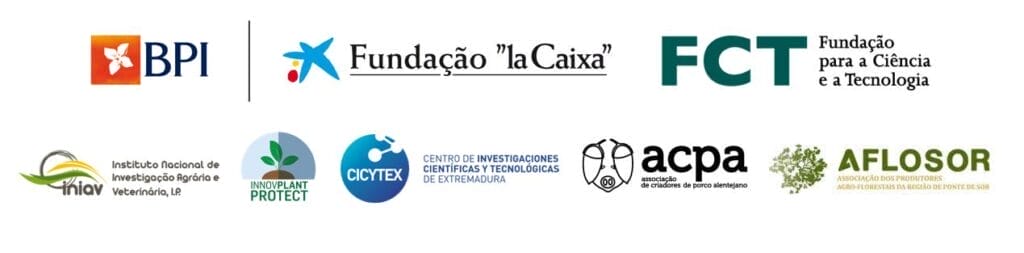
“AI applied to a prediction and early detection system for Phytophthora cinnamomi in dehesa ecosystems/ dehesa” is the name of the winning project of the 2020 edition of the Promove Program, which brings together InnovPlantProtect (InPP), the National Institute for Agricultural and Veterinary Research (INIAV), the Centro de Investigaciones Científicas y Tecnológicas de Extremadura (CICYTEX), a ACPA - Association of Alentejo Pig Breeders and the Aflosor - Agro-Forestry Association of the Ponte de Sor Region. Now you can find out more about this collaborative initiative, which has won a own page on the InPP website.
With three study areas, two in Portugal (the municipalities of Avis and Ourique) and one in Spain (Alcuescar), the overall aim is to apply monitoring and warning systems to large patches of forest, using digital robotic and artificial intelligence (AI) technologies on a large scale.
This project is funded under Promove - The Future of the Interior, a program of the la Caixa“ Foundation” launched in partnership with BPI and Foundation for Science and Technology, The aim is to support innovative initiatives in strategic areas for the development of Portugal's inland regions.



 Português
  English