It's called PROSPER and it's a new European project that aims to transform European agriculture through the valorization of “orphan” legumes - resistant crops, little exploited, but with great potential to face the challenges of climate and food in the future.
The consortium, with total funding of around 5 million euros, brings together 27 partners from 13 European countries and Tunisia, including universities, research centers, companies and non-profit organizations in the agricultural sector. Among them are countries from the Mediterranean (Italy, Spain, Greece, Portugal and France), Central Europe (Germany, Belgium, Poland, Bulgaria and Romania), Northern Europe (Denmark, Sweden and Finland).
The aim of PROSPER is to test and validate new agricultural diversification strategies, adapted to different climates and social and economic contexts, promoting more sustainable, innovative practices that are adjusted to the needs of different agricultural realities.
InPP, PROSPER's partner, will be responsible for analyzing:
Soil health and environmental impact
Energy efficiency and waste management
Nutritional quality of crops
Fair valuation along the production chain
To do this, the InPP team will use advanced technologies, such as real-time sensors and geospatial analysis, which will help study soil health, carbon sequestration captured by crops, water management and biodiversity, among others.
PROSPER is co-created with the main players in the agricultural sector, ensuring that the solutions developed do not remain on paper: they will be practical, useful and transformative.
The project starts in September 2025. We are ready to embark on this journey towards a greener, fairer and more resilient agriculture.
InnovPlantProtect (InPP) was present at the Science 2025 Meeting in Lisbon, at the Nova SBE Campus, to take part in the parallel session “Crop Protection for One Health, and Food and Environmental Sustainability”.
The Encontro Ciência took place from July 9 to 11 at the NOVA SBE Campus in Carcavelos, with the motto “Science, Innovation and Society”. Portugal's largest science and technology meeting was the stage for promoting and discussing the scientific, social, cultural and economic impact of research in Portugal, exploring the intersection between science, innovation and society, to inspire new ideas and foster transformative collaborations.
The director of the Data Management and Risk Analysis Department, Ricardo Ramiro, and the director of the New Biopesticides Department, Cristina Azevedo, presented some of the results of their work in this session co-moderated by the executive director, António Saraiva.
During the session, two important solutions for the agricultural sector, developed by our team, were presented:
iCountPests - an innovative app that uses AI to detect and count pests accurately and quickly in photos of chromotropic traps.
InPP 2 - a broad-spectrum biofungicide capable of fighting Botrytis cinerea, the fungus responsible for gray rot in tomatoes.
CoLAB MORE Colab - Collaborative Mountain Research Laboratory and Sfcolab - Collaborative Laboratory for Digital Innovation in Agriculture, were also present at the parallel session, as well as GREEN-IT, to discuss how science and innovation can tackle the challenges of climate change and promote more sustainable agricultural systems.
On June 30, InnovPlantProtect (InPP) was present at the meeting “7 years of CoLABs: impacts and perspectives”, which brought together political decision-makers, experts from the Portuguese innovation ecosystem, leaders from different sectors, representatives of public and private entities and the representatives of the 41 Collaborative Laboratories (CoLAB), at the Pavilhão do Conhecimento in Lisbon.
The meeting, organized by the Forum of Collaborative Laboratories (FCoLAB), aimed to reflect on the impact of the work carried out by the different CoLABs over the last seven years, as well as to address future prospects and identify strategies to boost the contribution of scientific research and innovation to the economy and society.
This initiative was an opportunity to showcase the products, services and solutions developed by CoLAB over the last seven years, highlighting its contribution to innovation, competitiveness and sustainability in various sectors of the economy. The application recently launched by InPP, iCountPests, which allows pests to be counted automatically using images from traps, reducing the time invested in monitoring and making it possible to create a pest history, was also highlighted.
The event was attended by the Minister of Education, Science and Innovation, Fernando Alexandre, the Secretary of State for the Economy, João Rui Ferreira, Manuel Heitor, from the IN+ Center for Innovation, Technology and Policy Research and former Minister of Science and Innovation, António Grilo, President of ANI, among others.
In his speech, the Minister for Education, Science and Innovation, Fernando Alexandre, highlighted the purpose of science at national level: “We hope that the science created in Portugal will generate innovation. More than technology, innovation is the answer to society's problems. You are the agents of change!”.
During the session, the main activity indicators and proven impact of the first seven years of CoLABs' activity were also presented, and multisectoral perspectives on their role in the national science and innovation ecosystem were debated, focusing on topics such as socio-economic impact, internationalization, business competitiveness, technological innovation and sustainability.
The activity indicators and the impact of the 7 years of activity are as follows:
More than 260 projects approved
More than 1,300 qualified jobs created
19M€ in tax revenue generated
More than 900 interactions with companies
33 patent applications (10 granted)
680 scientific articles published
The two afternoon panels were attended by companies, partners and management entities, who reflected on the impact generated so far and presented proposals for maximizing CoLAB's long-term contribution to both the economy and Portuguese society.
At a time when the basic funding options for CoLABs are being discussed, this event is of the utmost importance. The area of crop protection, in particular, needs more investment in innovation. Holding this event was important for bringing this urgent and strategically important issue to the debate.
The InPP was also present in the exhibition area, receiving important visitors, including the Minister of Education, Science and Innovation, Fernando Alexandre, the Secretary of State for the Economy, João Rui Ferreira, the Secretary of State for Science and Innovation, Helena Canhão, the President of the FCT, Madalena Alves, the President of the National Innovation Agency, António Grilo, the President of the National Monitoring Committee for the RRP, Pedro Dominguinhos and the Executive Director of Ciência Viva, Ana Noronha.
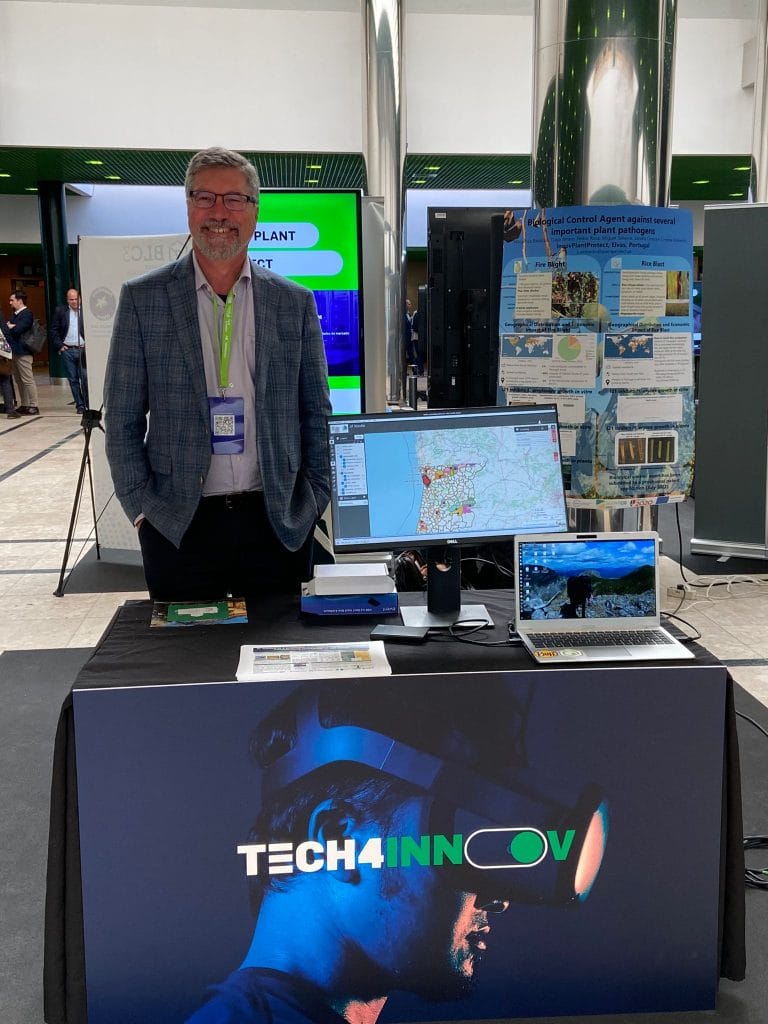
Hoje, dia 29 de março, o InnovPlantProtect esteve no Europarque, em Santa Maria da Feira, no Porto, para participar no TECH4INNOV: o Presente e o Futuro da Inovação em Portugal, uma mostra tecnológica que junta várias atores do Sistema Nacional de Inovação (SNI) para darem a conhecer os resultados de projetos de Investigação e Desenvolvimento (I&D) e as tecnologias que têm desenvolvido, mostrando assim o melhor que se tem feito na transformação do conhecimento em inovação.
O evento, organizado pela Agência Nacional de Inovação (ANI), teve como principal objetivo promover as atividades de transferência de tecnologia e do conhecimento, potenciando a sua valorização e comercialização permitindo uma maior e melhor articulação entre as empresas e entidades do Sistema Científico e Tecnológico Nacional.
Durante o dia foram expostas novas tecnologias assim como discutidas novas perspetivas e soluções disruptivas em painéis de debate com convidados nacionais e internacionais e espaços de demonstração, onde estiveram patentes casos de sucesso desenvolvidos por Centros de Tecnologia e Inovação (CTI), Laboratórios Colaborativos (CoLAB), Gabinetes de Transferência de Tecnologia (TTO), Digital Innovation Hubs, entre outras entidades do SNI.
Yesterday, March 27, saw the launch of the Vertical Algae project, part of the Blue Bioeconomy Pact mobilizing agenda, led by Inovamar, and in which InnovPlantProtect (InPP) is involved, at the University of the Algarve in Faro.
InPP was present to present the agricultural activity it coordinates, in partnership with the collaborative laboratory GreenCoLAB, The aim of the project is to identify, produce and test algae-based biopesticides and biostimulants to make agriculture more sustainable.
The public session included speeches by Miguel Marques, Chairman of Inovamar's Board of Directors, João Navalho, Chairman of Necton's Board of Directors, José Apolinário, President of the Algarve Regional Coordination and Development Commission and Pedro Valadas Monteiro, Algarve Regional Director for Agriculture and Fisheries. The initiative also included a round table, moderated by Necton, with the participation of all the previous speakers.
The Vertical Algae consortium, which involves a total of 38 entities, including companies, universities, CoLABs and Research and Development (R&D) centers, will have funding of 44 million euros, and aims to provide the national algae sector with the necessary capacity and competitive advantages, based on new sustainable products, processes and services, to compete in global markets and raise the national brand in the European blue bioeconomy.
In addition to this consortium, led by Necton, linked to the algae sector, launched this Monday in the Algarve, this mobilizing agenda includes six more secondary consortia, linked to the creation of new industries: biomaterials, bivalves, textiles, food, animal feed and fish.
Vertical Algae is co-financed by the Next Generation EU Funds, through the Recovery and Resilience Plan (RRP), and is the largest initiative in the Blue Bioeconomy Pact agenda.
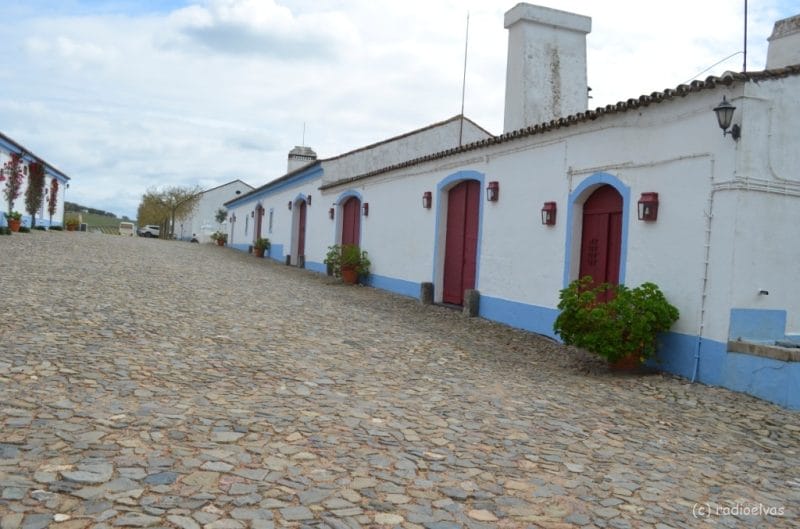
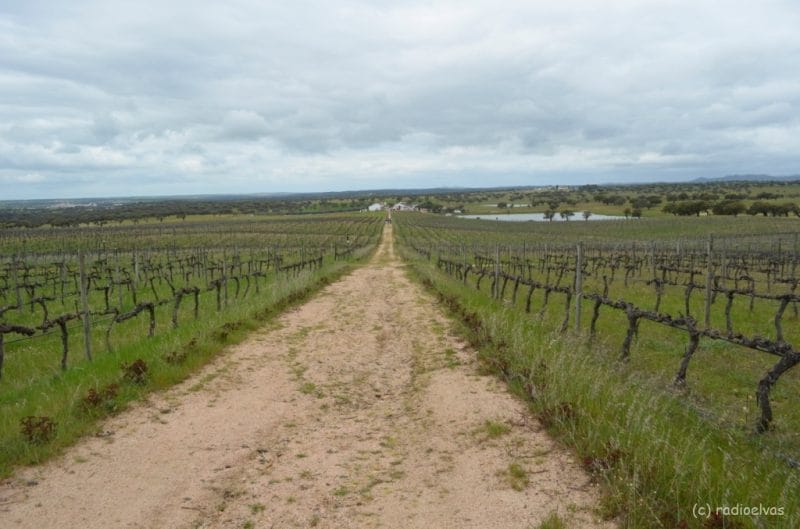
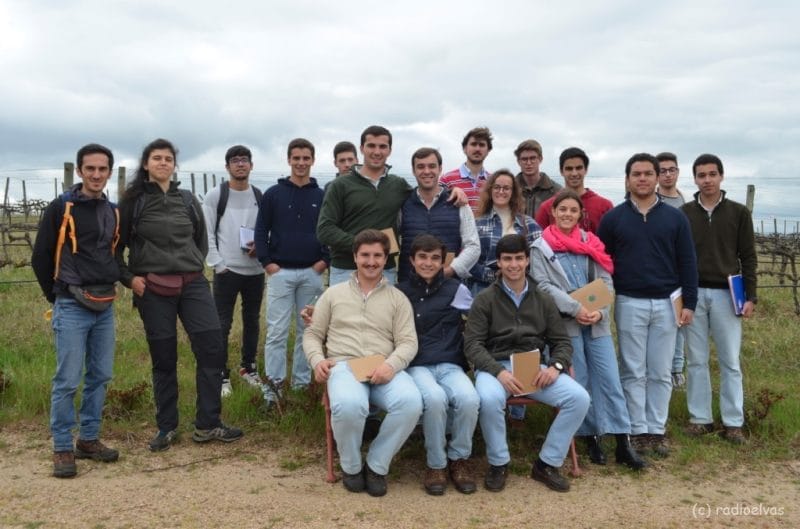
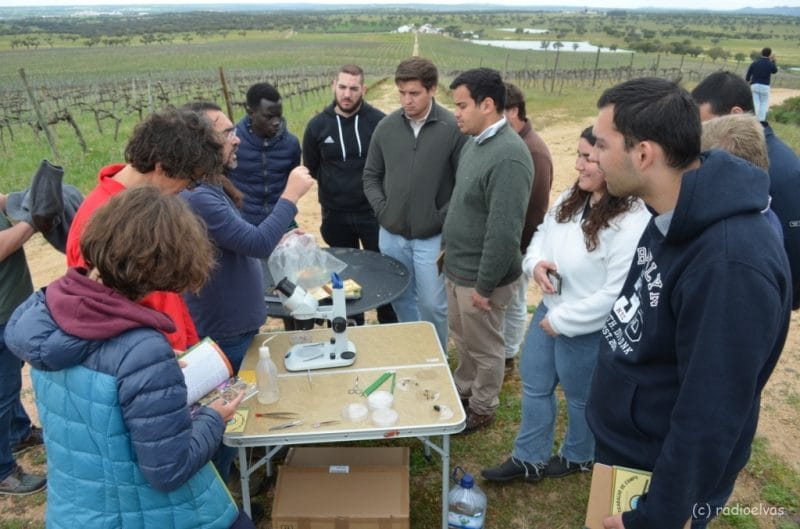
The ABC - AgriBioCircular project team held its first field activity with students from the D. Sancho II Secondary School and the Escola Superior Agrária de Elvas this Friday, March 24, at the Reynolds Wine Growers estate in Arronches.
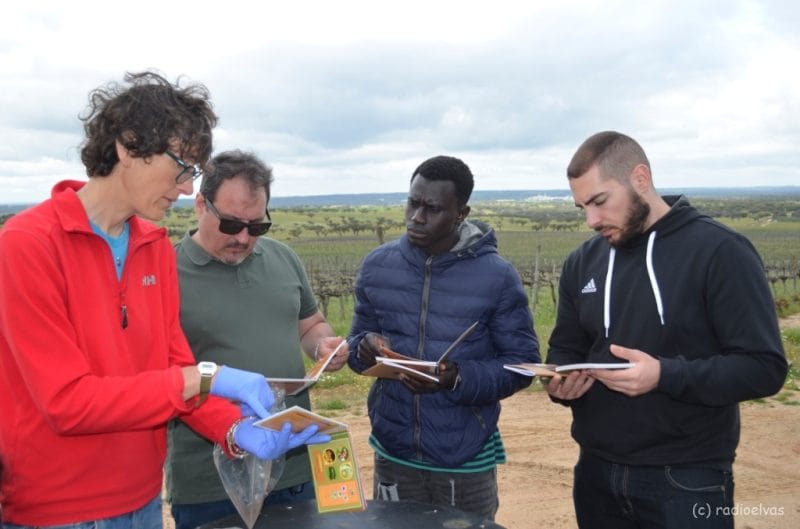
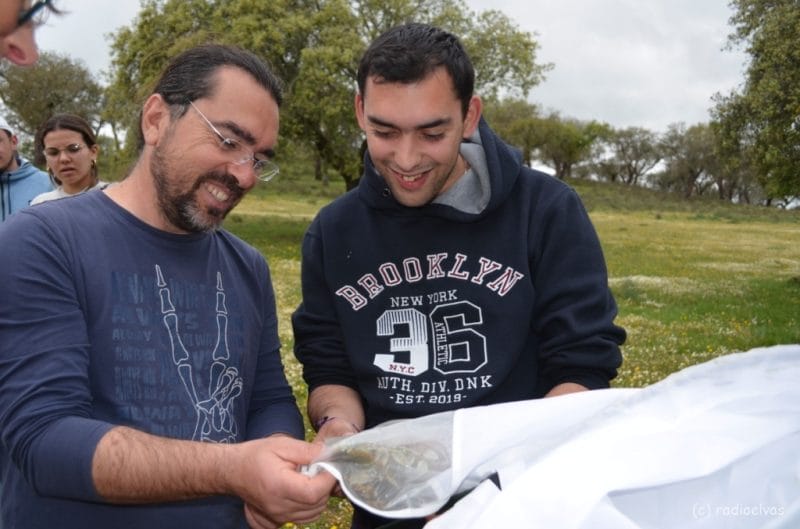
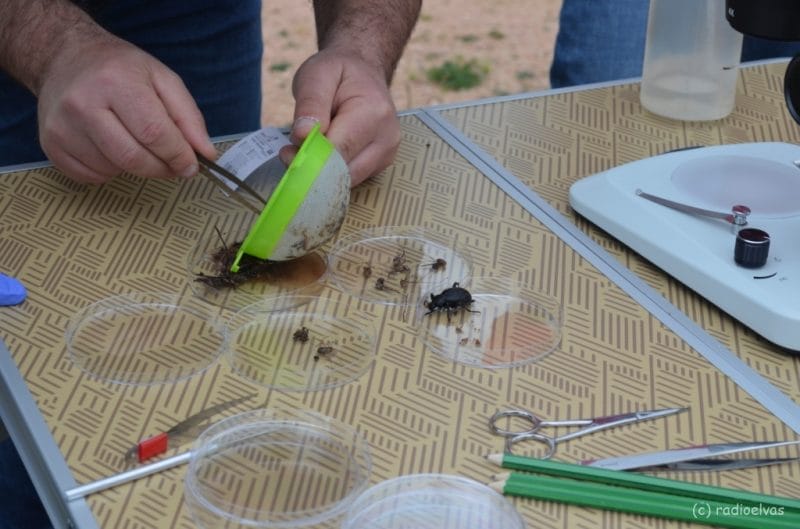
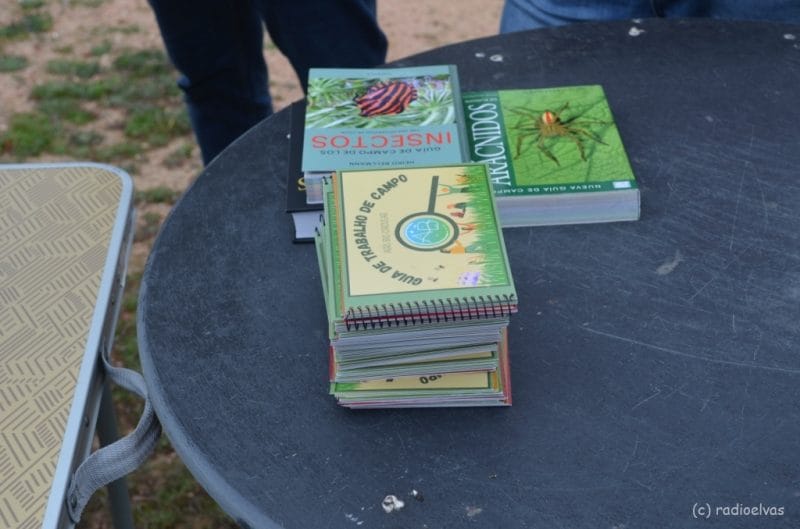
During the field activity, the students had the opportunity to learn how to identify the insects found in each habitat and experiment with different techniques for sampling insects and microorganisms, both using traditional techniques and more technologically advanced ones, using sensors and artificial intelligence.
“The aim is to put into practice, in the olive groves and cork oak forests of this property, what was worked on in the classroom, namely to teach the students how to identify the insects found in each habitat, using traditional (...) sampling techniques, as well as others that are more technologically advanced,” explained Nuno Faria, an IPP researcher.
The aim is for the students “to be able to identify what they see in the field, as well as to learn which insects are useful in ecosystems, but also those that are potentially pests and harmful to crops in the Alentejo,” added the researcher.
The ABC - AgriBioCircular project, led by InPP, is funded by the Environmental Fund program, under the National Environmental Education Strategy (ENEA 2022).
Find out more about the field trip in the Rádio ELVAS news item here.