News & Events

white plant

NEWS

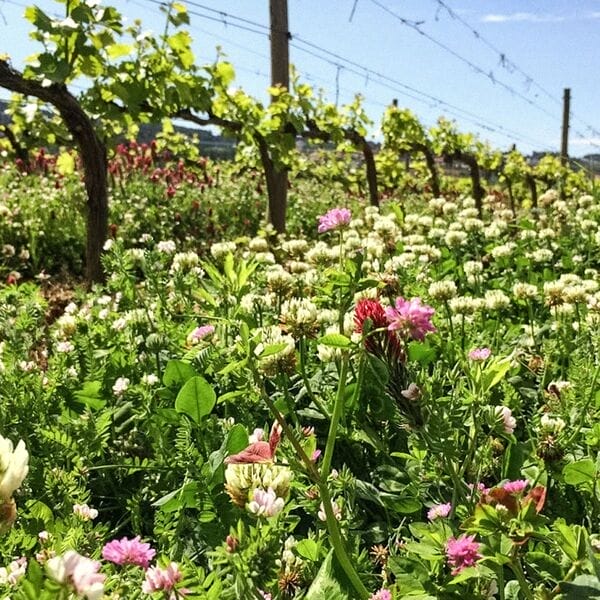
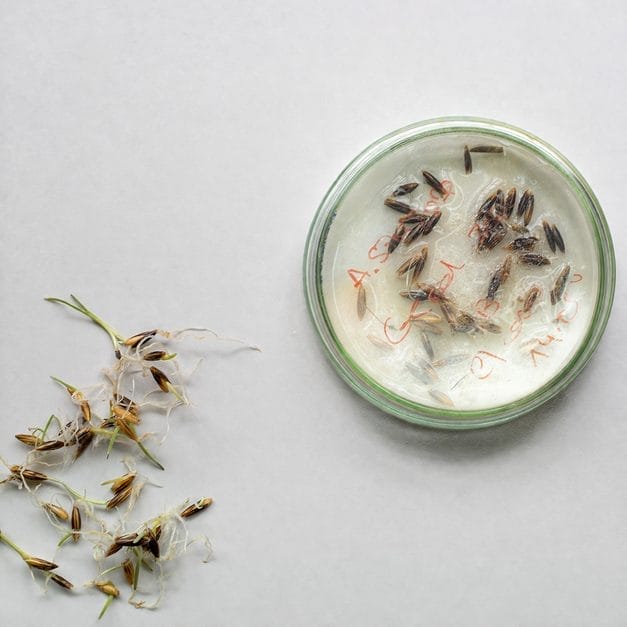
Uma nova tecnologia de revestimento biológico de sementes desenvolvida pelo InnovPlantProtect (InPP), em colaboração com a Fertiprado, poderá vir a transformar o desempenho de pastagens e forragens, contribuindo para sistemas agrícolas mais eficientes e sustentáveis.

Baseada em compostos derivados de algas, esta solução inovadora apresenta efeito bioestimulante e foi concebida para atuar desde as fases iniciais do desenvolvimento das plantas. Os ensaios realizados demonstraram resultados promissores ao nível da estimulação da nodulação em leguminosas, do crescimento vegetativo e da resistência das plantas a condições adversas, com impacto positivo no valor nutricional do pasto.

Este desenvolvimento resulta de um percurso de investigação conjunta que decorreu ao longo de cinco anos, refletindo o compromisso contínuo do InPP em transformar conhecimento científico em soluções com aplicação prática no setor agrícola. A tecnologia encontra-se atualmente em processo de patenteamento e representa um marco relevante no pipeline de inovação do laboratório.

Para a Fertiprado, parceiro estratégico neste projeto, esta tecnologia constitui uma alternativa aos revestimentos tradicionais baseados em compostos sintéticos, reforçando a aposta em soluções mais sustentáveis e alinhadas com as necessidades futuras da agricultura.

O desenvolvimento desta solução insere-se na Agenda Mobilizadora Pacto da Bioeconomia Azul, financiada pelo Plano de Recuperação e Resiliência (PRR), iniciativa que promove a valorização de recursos marinhos através da criação de novos produtos e tecnologias. Como parte do processo de valorização da tecnologia, foi assinado um memorando de entendimento com vista à sua futura exploração comercial.

Num contexto em que a procura por biosoluções agrícolas continua a crescer, iniciativas colaborativas como esta demonstram o papel fundamental da investigação aplicada na resposta aos desafios da sustentabilidade e da produtividade agrícola.

Investigação com impacto no setor agrícola

O trabalho desenvolvido pelo InPP evidencia o valor da colaboração entre ciência e indústria, permitindo acelerar processos de inovação e criar soluções ajustadas às necessidades reais do setor agrícola.

A parceria com empresas constitui um dos pilares estratégicos do InPP, promovendo a transferência de conhecimento científico e o desenvolvimento de tecnologias que contribuem para sistemas agrícolas mais resilientes e sustentáveis.
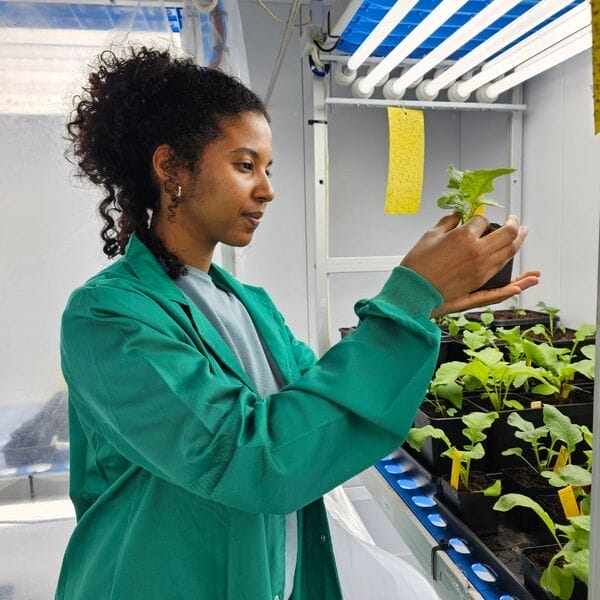
O InPP participou no Fórum Nacional de Clubes Ciência Viva na Escola, que teve lugar no dia 27 de março, integrando a Mostra de Ciência e Tecnologia com um stand dedicado à proteção das plantas.

Neste espaço, foram apresentados diversos materiais demonstrativos, incluindo placas de Petri com fungos e bactérias, plantas, algas e exemplos de produtos formulados, com o objetivo de despertar o interesse e a curiosidade dos visitantes para a importância da saúde das plantas e da investigação científica nesta área.

Ao longo do dia, a Gestora de Comunicação, Inês Ferreira, e o Gestor de Inovação, Paulo Madeira, dinamizaram o contacto com o público visitante, explicando de que forma a investigação em proteção das plantas contribui para melhorar a proteção das culturas e promover uma agricultura mais resiliente e sustentável.

O Fórum Nacional de Clubes Ciência Viva na Escola decorreu no CNEMA, em Santarém, reunindo escolas, centros Ciência Viva, universidades, centros de investigação e diversas outras entidades, num encontro dedicado à ciência, tecnologia e inovação.

O InPP agradece a todos os visitantes que passaram pelo seu stand, destacando a importância destes momentos de partilha para promover o conhecimento científico junto da comunidade.

No dia 26 de março, o InPP participou numa sessão promovida pela Agência Nacional de Inovação (ANI), em Lisboa, que contou com a presença de uma comitiva da República Checa ligada ao setor das biotecnologias.

Em representação do InPP estiveram Cristina Azevedo, Diretora de Biosoluções, e Paulo Madeira, Gestor de Inovação, que apresentou a instituição e as suas principais áreas de atuação e competências.

A iniciativa teve como principal objetivo identificar oportunidades de cooperação entre entidades portuguesas e checas, nomeadamente nas áreas de transferência de tecnologia, codesenvolvimento, ensaios pré-clínicos e diagnósticos, coinvestimento e internacionalização da inovação.

A sessão contou com a participação de representantes de entidades relevantes da República Checa, incluindo Petra Kinzlova, CEO da Prague.bio, Katarina Psenakova, Head of Biology da PharmTheon, bem como representantes da Embaixada da República Checa e da Academia das Ciências da República Checa.

Este encontro contribuiu para reforçar o posicionamento do InPP na promoção de parcerias internacionais e no desenvolvimento de soluções inovadoras, evidenciando o compromisso contínuo da instituição em fortalecer redes de colaboração científica e tecnológica e em contribuir para o crescimento e internacionalização da inovação.

EVENTS

InnovPlantProtect (InPP) took part in the debate session on breeding and genomic techniques, the subject of the most recent edition of the CULTIVAR publication by the Planning, Policies and General Administration Office (GPP), which took place on June 27 at the Marquês Hall of the Ministry of Agriculture and Fisheries in Lisbon.

The opening session was led by the GPP's director-general, Eduardo Diniz, and also included the participation of Pedro Fevereiro, executive director of the InPP, Benvindo Maçãs, director of INIAV, IP, Catarina Ginja, professor at the Center for Interdisciplinary Research in Animal Health (CIISA), Irina Castro, from the Transgenics Out Platform. The panel was moderated by Pedro Castro Rego, from the GPP.

As can be read in the news published on the GPP website: “During the debate, although there was no consensus on the subject, it was clear that the improvement essentially seeks to respond to the challenges of food supply and climate change.

As European regulations have not yet been stabilized, the scientific complexity and the effects associated with technological application on nature were highlighted. The speakers stressed the importance of approaching breeding as a process that interconnects various domains within genetic diversity, highlighting the multidisciplinary nature of this activity. Breeding and genomic techniques could develop solutions for more sustainable agricultural production, not only in environmental terms, but also in economic and social terms. However, the time and conditions in which these solutions are made available were questioned, particularly with regard to biodiversity and consumer concerns.

Public policies were mentioned as the privileged instrument for delimiting the impact of breeding and genomic techniques on agriculture and food in the near future. In this context, political commitments will have to act in conjunction with socially responsible technological innovation in favor of greater agricultural productivity and income in the long term.”

Watch the recording of the session here.

On June 27 at 10:30 a.m., InnovPlantProtect (InPP) will take part in a debate session promoted by the Planning, Policies and General Administration Office (GPP) on Improvement and genomic techniques, the subject of the most recent edition of the publication CULTIVAR - Cadernos de Análise e Prospetiva.

The initiative aims to contribute to reflection on the definition of appropriate policies for the use and development of the best practices available in this area, which will generate benefits for agents in the agri-food sector and the population in general.

The session includes a brief presentation on the topic and a round table with a panel of experts, including InPP's executive director, Pedro Fevereiro, followed by a debate with the participants.

Pedro Fevereiro will be one of the speakers at the round table, who will talk about the article entitled “Plant breeding and molecular-based technologies, in particular genomic editing”, which he wrote for the magazine CULTIVAR.

Participation in the session is free, but to attend in person at the GPP's premises at the Ministry of Agriculture and Fisheries in Lisbon, prior registration is required, available until June 26, here.

The session will be broadcast live on the GPP's YouTube channel.

For more information go to here.


“(...) Faced with the most recent challenges, the combination of the development of scientific knowledge about the value of algae as a source of nutrients and bioactive compounds and the enormous pressure in the agricultural production sector to replace these same chemically synthesized fertilizers, biostimulants and pesticides with more sustainable and environmentally friendly alternatives has led to the expansion of the algae sector in agriculture,” reads an article produced by the InnovPlantProtect (InPP) team, published in the June edition of Voz do Campo magazine.

In the article, produced by the InPP team involved in the Vertical Algae Agriculture sub-project, together with several partners, our researchers are tracking the activity of a set of more than 30 macro and microalgae and some of their by-products, made available by Portuguese companies as biostimulants and biopesticides.

Researchers Miguel Claro and Rui Figueiras and department heads Cristina Azevedo and Sandra Correia were involved in the production of this non-scientific article.

Read the full article here.