News & Events

white plant

NEWS

An Invisible Revolution in Agriculture: How Genomics is Protecting the Alentejo's Crops

Every year, crop diseases cause devastating losses in agricultural production, threatening the food security and livelihoods of millions of farmers. In the heart of the Alentejo, an innovative project is using the power of genomics to help combat these invisible threats. The AlViGen Project, with the participation of InnovPlantProtect researchers Rute Rego and João Bilro, is paving the way for a new era of crop surveillance and protection.

The Problem and the Solution

“Yellow rust on wheat and gafa in olive groves are real scourges for farmers,” explains Rute Rego, a researcher at AlViGen. “These diseases can wipe out entire harvests, leading to severe economic losses and compromising food quality.”

But AlViGen isn't just observing the problem. The team is using cutting-edge technology to detect and identify the strains of fungi that cause these diseases, long before the symptoms become visible.

“We use traps to collect spores that circulate in the air,” continues Rute. “These traps allow us to monitor the presence of fungi in real time, which gives us an important advantage in preventing infections.”

But the magic happens in the laboratory, where the team extracts DNA from the spores and carries out advanced genomic analysis using powerful DNA sequencing technology based on the metabarcoding, The Nanopore portable sequencer is a state-of-the-art technology.

Rute Rego, InnovPlantProtect researcher, analyzes samples of the fungus that causes gafa, as part of the AlViGen project.

Unlocking the genetic code of fungi

To explain more about metabarcoding and its advantage for detecting the presence of species or strains of fungi that cause diseases in crops, the researcher gives the example of a bag full of different types of grain: rice, beans, corn, which is being analyzed by the reader. “Metabarcoding is like putting a unique label (a ‘barcode’) on each type of grain. You can then mix all the grains into a single sample and, by reading the labels, you can identify the amount of each type of grain present.”

In the case of AlViGen, this technique makes it possible to analyze multiple species of fungi at the same time (in multiple samples), each with its own genetic ‘barcode’ and “identify exactly which fungi are present, even in small quantities”, explains the researcher.

And what is the practical impact of this method for monitoring and predicting the disease? The researcher of the AlViGen project is able to identify, with high precision, the moment when the pathogen begins to appear in the field, which makes it possible to alert farmers in real time to the risk of the disease. Producers can adopt preventive measures and apply the necessary products to avoid infection, contributing to a rapid and effective response to disease prevention.

The Timeline of Fungal Evolution

AlViGen's research is not limited to identifying microorganisms that damage crops; it also seeks to understand their evolution and diversity. João Bilro, another researcher on the project, is studying the phylogeny of the fungus Colletotrichum, This is a microorganism responsible for causing gafa or anthracnose, a disease that affects olive groves in Portugal. This disease mainly affects the olives, which compromises the quality of the oil.

“Phylogeny is crucial to understanding how the different strains of Colletotrichum are related and how they have evolved over time,” explains João. “Just as a family tree traces the history of a family, showing how the members are related to each other, phylogenetic trees reveal the evolutionary relationships between the different strains of this fungus. Each branch of the tree represents an evolutionary lineage, and the nodes indicate common ancestors. By comparing the DNA sequences of these strains, we can reconstruct their evolutionary history, identifying which ones are closer or more genetically distant, and thus infer characteristics such as virulence or resistance to fungicides,” he reveals.

This knowledge allows researchers to identify patterns of spread and adaptation of the fungus, which is fundamental to developing more effective strategies to contain and/or reduce the damage this fungus causes to Portuguese olive groves.

“One of the challenges of our research is the great genetic diversity of the Colletotrichum,” admits João. “However, by uncovering their evolutionary secrets, we are paving the way for the development of more precise and targeted detection and control methods.”

Photo from left: João Bilro, InnovPlantProtect bioinformatician, studying the phylogeny of the fungus Colletotrichum as part of the AlViGen project; Photo right: Rute Rego and João Bilro discuss ideas about the AlViGen project

The Future of Agriculture Starts Here

The AlViGen Project aims to have a significant impact on the agricultural landscape, especially in the Alentejo, a region with a strong agricultural tradition. By providing farmers with early detection tools and accurate information on the microorganisms that cause crop diseases, the project aims to help with decision-making, enabling farmers to protect their crops and reduce production losses.

“Our ultimate goal is to empower farmers with the knowledge and tools they need to protect their crops sustainably,” says Rute. “We believe that genomic surveillance is a key tool for the future of crop protection.”

João Bilro agrees and adds: “Continuous research is essential to monitor the evolution of harmful microorganisms and develop new control strategies that are always effective. In the future, we hope to expand the scope of AlViGen to include other microorganisms and crops, and make genomic surveillance an accessible tool for all farmers.”

Science at the Service of Agriculture

The AlViGen Project, supported by the Promove Program of the “la Caixa” Foundation, in partnership with Banco BPI and the Foundation for Science and Technology (FCT), is an inspiring example of how science and technology can be applied to solve real problems and transform agriculture. By unlocking the genetic secrets of crop microorganisms, Rute Rego and João Bilro are paving the way for safer, more sustainable and resilient agriculture.

The fight against crop diseases continues, but with AlViGen, farmers can finally see the enemy before it becomes visible.

AI4Leafhopper presented in session with users: real-time pest monitoring

On May 13th, the project team AI4Leafhopper presented the new application iCountPests, an innovative solution that uses Artificial Intelligence (AI) to detect and count green leafhoppers in chromotropic traps - quickly, accurately and in real time.

Developed as an intuitive mobile application, the iCountPests was designed to facilitate the monitoring of various agricultural pests. With a simple and accessible interface, it allows users to record the evolution of pests in their crops by submitting photographs of the traps installed in the field.

The application uses advanced computer vision models to automatically detect and count insects, delivering results in around a minute - a much faster and more practical process than traditional manual counting.

In its first version, the app already has a model for detecting the green leafhopper (Jacobiasca lybica), achieving an average accuracy of approximately 90%. Functionalities will soon be added to identify other relevant pests, such as curl moth (Cryptoblabes gnidiella) and grape moth (Lobesia botrana).

In addition to automatic counting, the iCountPests makes it possible to monitor the evolution of pest populations over time, making it easier to identify trends and plan more effective interventions.

This project is the result of a multidisciplinary team combining skills in ecology, entomology, artificial intelligence, computer vision, remote sensing and software development, with the aim of making pest monitoring simpler, more accurate and more accessible.

During the presentation session, it was possible to hear the opinions and suggestions of future users of the application. These contributions are essential if we are to continue to improve the tool and ensure that it responds in a practical way to the real needs of farmers and technicians in the sector. We want to develop solutions that evolve with agriculture!

Innovation is at the heart of everything we do and our motto is clear:
“Innovate together, protect better.”

If you want to know more about iCountPests, contact us by email:
📩 apps@iplantprotect.pt

Image credits: InnovPlantProtect

InPP debates future challenges for the agroforestry sector in Coimbra

The executive director of InnovPlantProtect (InPP), António Saraiva, took part in the conference “What are the challenges facing the national agroforestry sector over the next decade?”, which took place at the Escola Superior Agrária de Coimbra (ESAC) of the Polytechnic Institute of Coimbra last Tuesday, April 22.

The event, which brought together more than 150 participants and was organized by 17 national Competence Centres, discussed topics such as innovation, sustainability, soil conservation, monitoring cork oak forests and efficient agricultural management.

António Saraiva was part of the panel of commentators, whose speaker was Pedro Santos, Director General of CONSULAI, and moderated by Maria Custódia Correia, Coordinator of the AKIS Portugal Network. The opening session was attended by the Minister for Agriculture and Fisheries, José Manuel Fernandes, who announced the publication of the Ordinance of April 21 to open the Grant for Initiatives for the creation of Operational Groups (OG).

This initiative provides a total of 11 million euros for new GOs, with a maximum of 350,000 euros per project and eligible funding of 100%.

The GOs are considered crucial structures for transferring knowledge and strengthening the AKIS (Agricultural Knowledge and Innovation System).

Special thanks to the 17 Competence Centers for the opportunity to participate in this productive meeting!

Image credits: Rede Rural Nacional

EVENTS

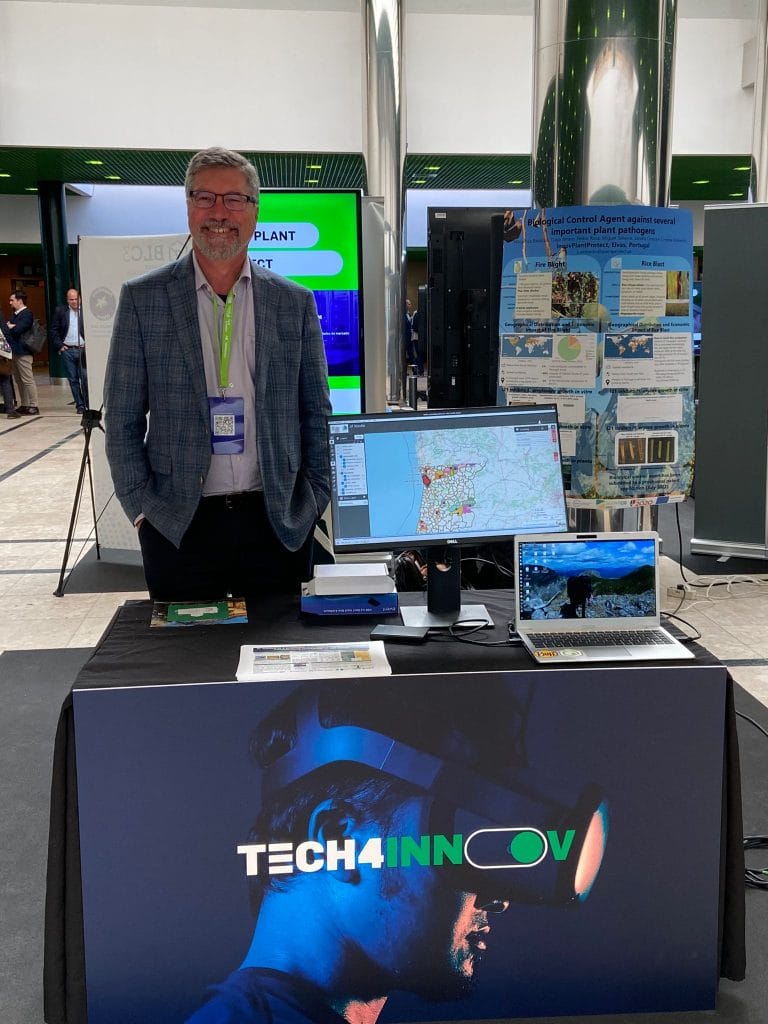
InPP marca presença no TECH4INNOV

Hoje, dia 29 de março, o InnovPlantProtect esteve no Europarque, em Santa Maria da Feira, no Porto, para participar no TECH4INNOV: o Presente e o Futuro da Inovação em Portugal, uma mostra tecnológica que junta várias atores do Sistema Nacional de Inovação (SNI) para darem a conhecer os resultados de projetos de Investigação e Desenvolvimento (I&D) e as tecnologias que têm desenvolvido, mostrando assim o melhor que se tem feito na transformação do conhecimento em inovação.

O evento, organizado pela Agência Nacional de Inovação (ANI), teve como principal objetivo promover as atividades de transferência de tecnologia e do conhecimento, potenciando a sua valorização e comercialização permitindo uma maior e melhor articulação entre as empresas e entidades do Sistema Científico e Tecnológico Nacional.

Durante o dia foram expostas novas tecnologias assim como discutidas novas perspetivas e soluções disruptivas em painéis de debate com convidados nacionais e internacionais e espaços de demonstração, onde estiveram patentes casos de sucesso desenvolvidos por Centros de Tecnologia e Inovação (CTI), Laboratórios Colaborativos (CoLAB), Gabinetes de Transferência de Tecnologia (TTO), Digital Innovation Hubs, entre outras entidades do SNI.

More information about the event here.

Vertical Algae Project presented this Monday in Faro

Yesterday, March 27, saw the launch of the Vertical Algae project, part of the Blue Bioeconomy Pact mobilizing agenda, led by Inovamar, and in which InnovPlantProtect (InPP) is involved, at the University of the Algarve in Faro.

InPP was present to present the agricultural activity it coordinates, in partnership with the collaborative laboratory GreenCoLAB, The aim of the project is to identify, produce and test algae-based biopesticides and biostimulants to make agriculture more sustainable.

The public session included speeches by Miguel Marques, Chairman of Inovamar's Board of Directors, João Navalho, Chairman of Necton's Board of Directors, José Apolinário, President of the Algarve Regional Coordination and Development Commission and Pedro Valadas Monteiro, Algarve Regional Director for Agriculture and Fisheries. The initiative also included a round table, moderated by Necton, with the participation of all the previous speakers.

The Vertical Algae consortium, which involves a total of 38 entities, including companies, universities, CoLABs and Research and Development (R&D) centers, will have funding of 44 million euros, and aims to provide the national algae sector with the necessary capacity and competitive advantages, based on new sustainable products, processes and services, to compete in global markets and raise the national brand in the European blue bioeconomy.

In addition to this consortium, led by Necton, linked to the algae sector, launched this Monday in the Algarve, this mobilizing agenda includes six more secondary consortia, linked to the creation of new industries: biomaterials, bivalves, textiles, food, animal feed and fish.

Vertical Algae is co-financed by the Next Generation EU Funds, through the Recovery and Resilience Plan (RRP), and is the largest initiative in the Blue Bioeconomy Pact agenda.

Financing:

ABC Project carries out first field activity with students

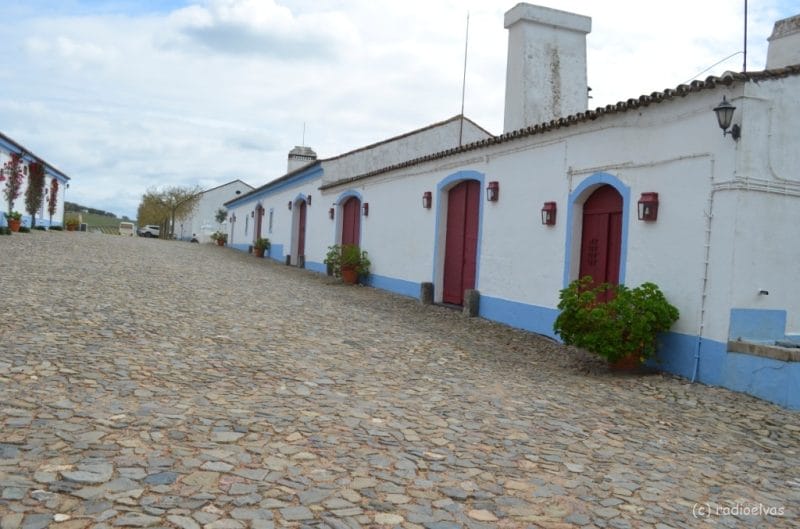
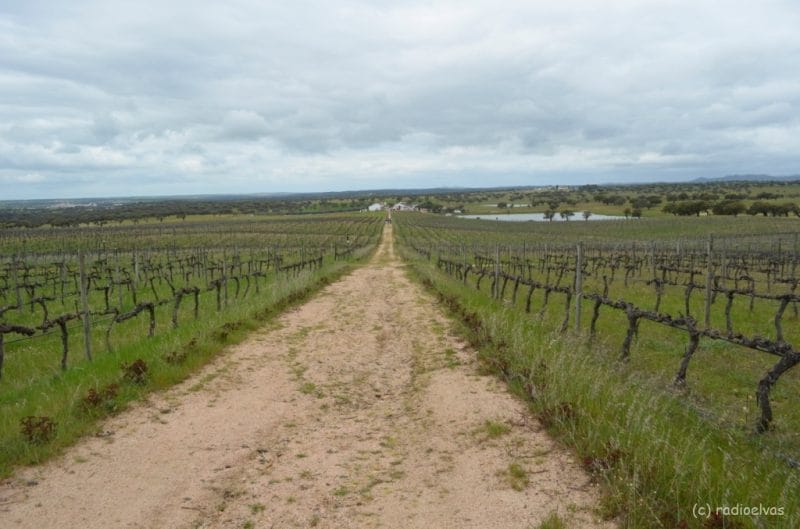
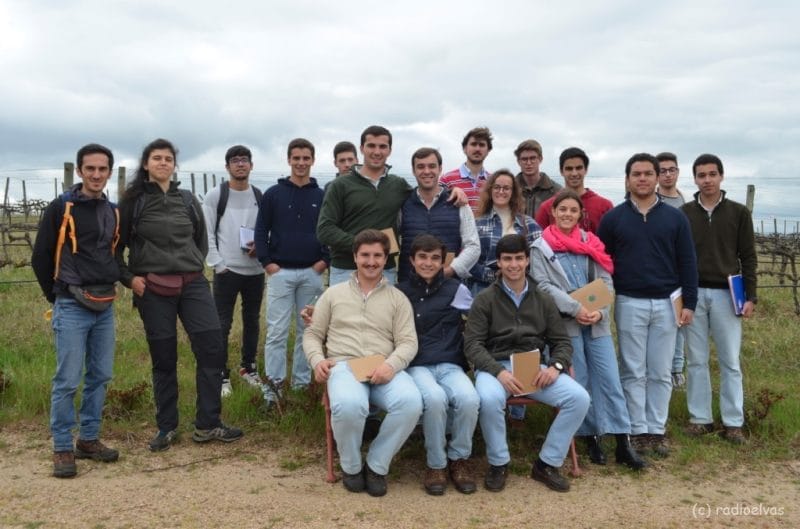
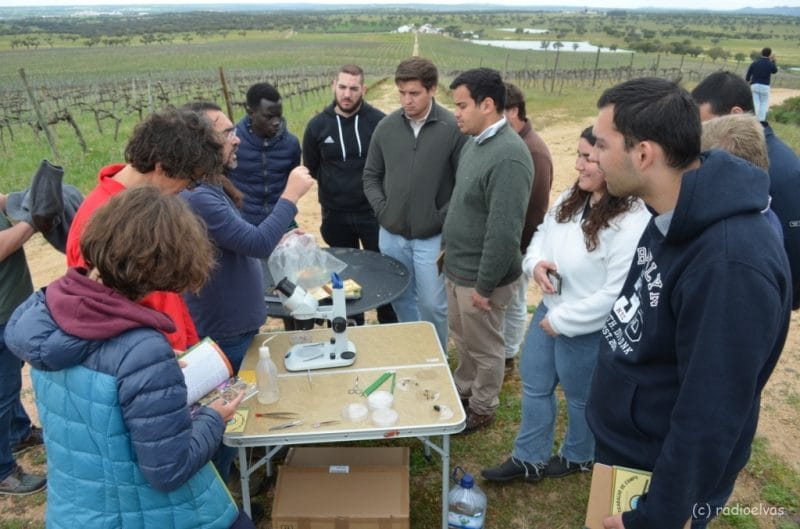
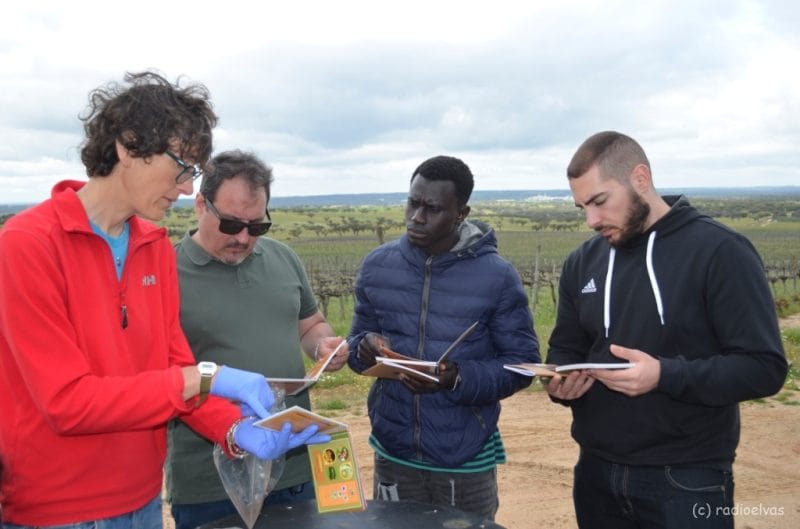
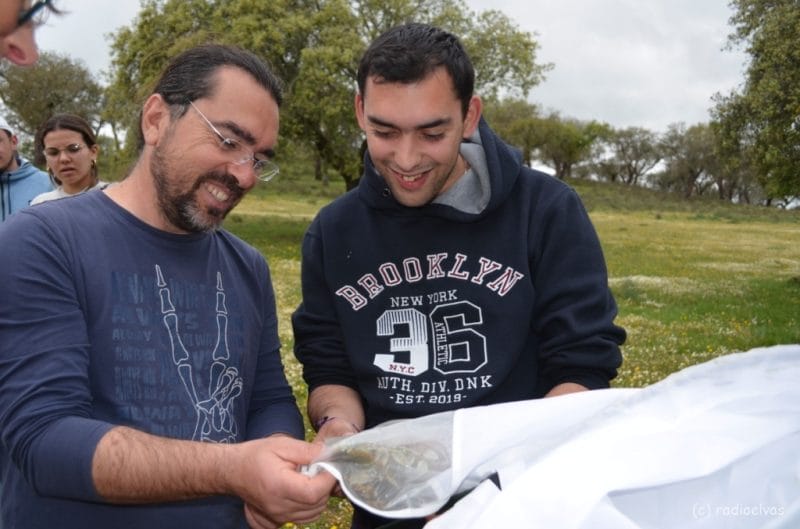
The ABC - AgriBioCircular project team held its first field activity with students from the D. Sancho II Secondary School and the Escola Superior Agrária de Elvas this Friday, March 24, at the Reynolds Wine Growers estate in Arronches.

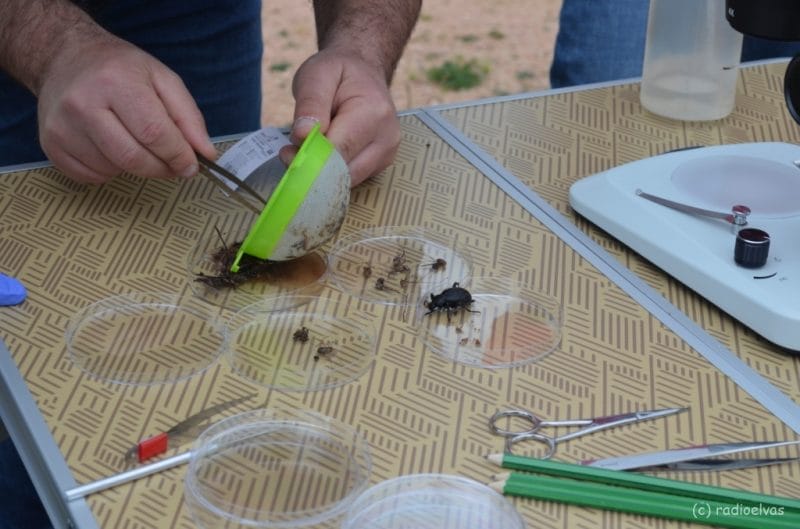
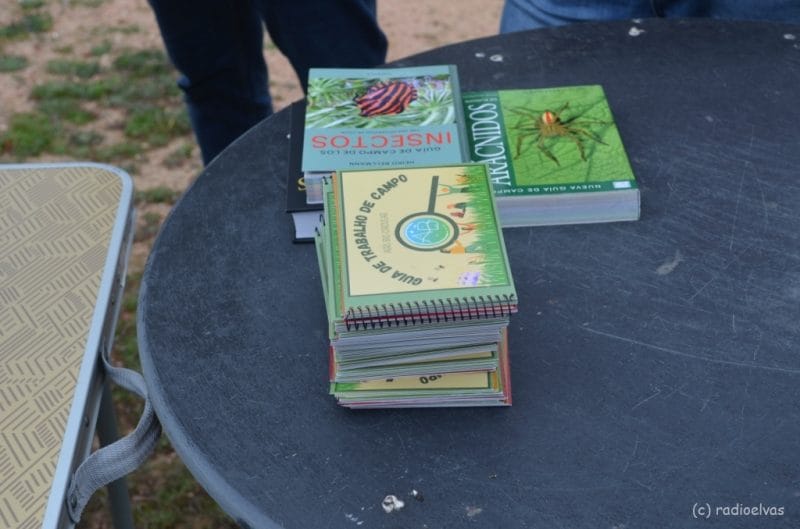
During the field activity, the students had the opportunity to learn how to identify the insects found in each habitat and experiment with different techniques for sampling insects and microorganisms, both using traditional techniques and more technologically advanced ones, using sensors and artificial intelligence.

“The aim is to put into practice, in the olive groves and cork oak forests of this property, what was worked on in the classroom, namely to teach the students how to identify the insects found in each habitat, using traditional (...) sampling techniques, as well as others that are more technologically advanced,” explained Nuno Faria, an IPP researcher.

The aim is for the students “to be able to identify what they see in the field, as well as to learn which insects are useful in ecosystems, but also those that are potentially pests and harmful to crops in the Alentejo,” added the researcher.

The ABC - AgriBioCircular project, led by InPP, is funded by the Environmental Fund program, under the National Environmental Education Strategy (ENEA 2022).

Find out more about the field trip in the Rádio ELVAS news item here.

Image credit: Rádio Elvas