O InnovPlantProtect (InPP), Collaborative Laboratory specializing in biological and digital solutions for crop protection, aligned with the emerging challenges of agriculture, will launch its new institutional website on January 24th, on a symbolic date marking 7 years working in the agricultural sector.
This launch is part of a phase of institutional evolution and consolidation InPP, reinforcing its strategy of proximity to the sector, clarity in the communication of its competencies and affirmation as a strategic partner for companies, producers, associations and public bodies.
An even clearer, more up-to-date and sector-oriented platform
With a renewed structure and a more intuitive browsing experience, the new website features:
an area of Services and Products completely reorganized, which facilitates access to specialized services, laboratory capabilities and biological and digital solutions developed by InPP, as well as to a updated catalog of services and biosolutions;
more complete institutional content that reinforces transparency, scientific rigor and CoLAB's mission;
a clearer presentation of scientific skills and research areas, highlighting the impact of the work carried out by InPP's multidisciplinary teams.
New image, same mission - but reinforced
The launch of the website is accompanied by the implementation of InnovPlantProtect's new visual identity, This reflects the maturity of CoLAB and its future ambitions.
The new image - accompanied by the slogan “Innovate together. Protect better.” - reflects InPP's ongoing commitment to:
Developing new generation biological and digital solutions;
Promoting safer, more innovative and more productive agriculture;
Strengthen collaboration and partnership with the agricultural sector and the innovation ecosystem.
A new phase for InPP
The digital and visual renovation is part of a broader strategy of maturity and consolidation, Through this initiative, InPP aims to strengthen its role as a scientific and technological partner for the agricultural sector in applied research and the development of crop protection solutions.
According to António Saraiva, InPP's executive director: “This new website isn't just a digital revamp - it's a reflection of the ambition we have for our future and how we want to communicate with the sector. We want every visitor to understand the purpose that drives us: to create innovative solutions that protect crops, boost productivity and contribute to more sustainable agricultural systems. InPP is entering a new phase, with a clearer, more accessible identity aligned with the real needs of agriculture and a renewed commitment to real impact on the ground.”
Available from January 24th
The new InnovPlantProtect website will be available from January 24th at: https://iplantprotect.pt/
The start of a new year also marks a new cycle for InnovPlantProtect. In 2026, InPP enters a phase of evolution and consolidation, with several new features that reinforce its position as a strategic partner for the intelligent transformation of agriculture.
Over the next few months, initiatives, content and tools will be presented that reflect the work carried out by our teams in the areas of applied research, biological solutions, specialized services and digital innovation.
The first step in this new phase will be presented in the next January 24th, InnovPlantProtect is celebrating the date 7 years in business at the service of the agricultural sector.
Until then, we continue to prepare a range of new products that reflect our mission to promote safer, more innovative and more productive agriculture.
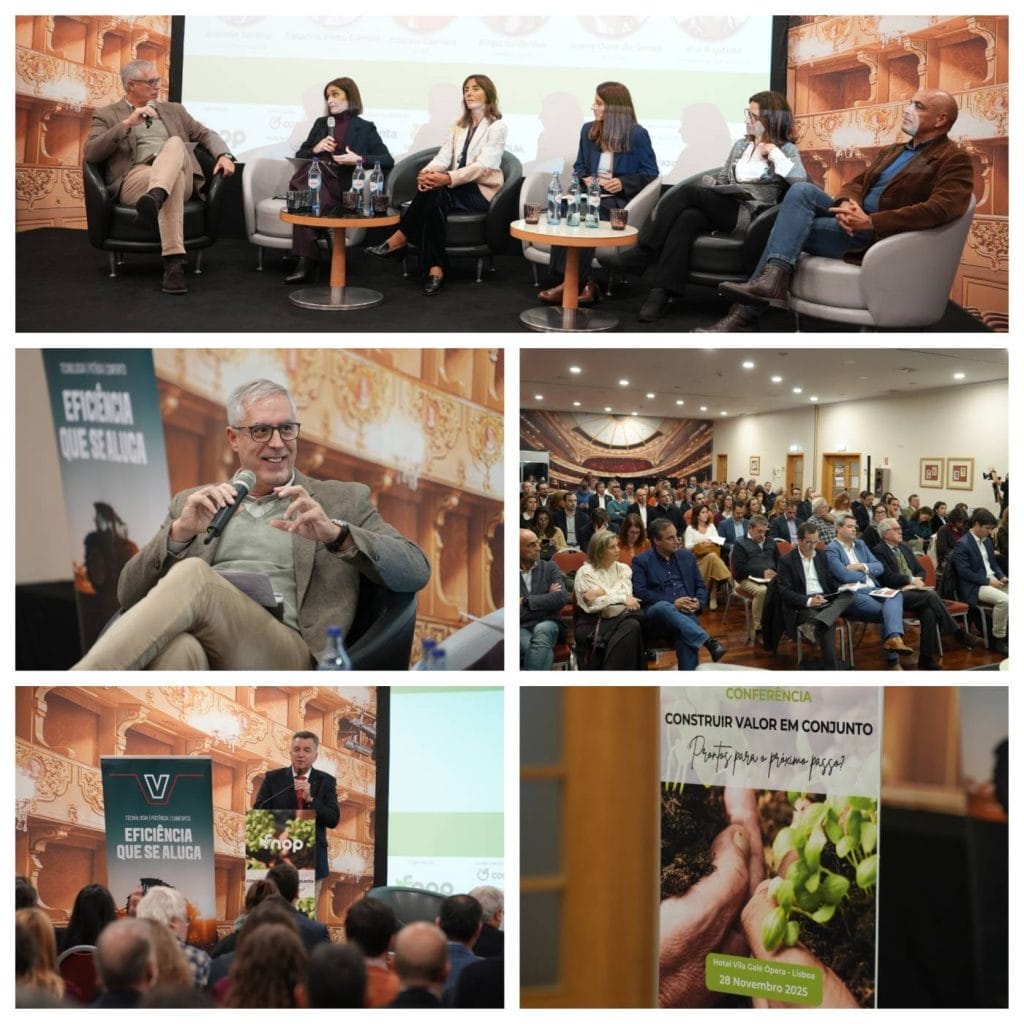
InnovPlantProtect (InPP) was present at the conference “Building value together”, organized by our associate FNOP - National Association of Fruit and Vegetable Producers' Organizations.
InPP's executive director, António Saraiva, moderated the panel “Sustainability that generates value: The role of ESG in the future of the sector”, which included interventions from Catarina Pinto Correia (VdA), Cristina Câmara (APED), Filipa Saldanha (Crédito Agrícola), Joana Oom de Sousa (Sovena) and Rui Veríssimo Baptista (Companhia das Lezírias).
The opening session was given by Domingos dos Santos, president of FNOP and a member of CoLAB's Board of Directors of our CoLAB.
The meeting brought together producer organizations, farmers, companies, experts and political decision-makers to discuss the current challenges and look to the future of the national fruit and vegetable sector.
With the participation of national and international experts, the conference was a privileged space for sharing experiences and strategic reflection, focusing on the organization of production and the role of public policies in promoting sustainable growth.
Congratulations to FNOP for the initiative and the ability to bring together a panel of excellent speakers, making this conference a relevant and topical milestone for the sector.
The InnovPlantProtect team looking for a solution to pyriculariosis was at the Open Day for Rice Growing in Baixo Mondego. The infected rice samples taken afterwards are already being analyzed in the laboratory.
Cristina Azevedo, Tiago Amaro e Pedro Rosa are researchers at InnovPlantProtect (InPP) and are working on the development of biopesticides against rice pyriculariosis, one of the most common diseases of this cereal worldwide and also in Portugal. As a result of the be present at the Open Day of Rice Culture in Baixo Mondego, organized by the DRAP Centro, On September 14, they subsequently made two field trips to collect samples of infected rice.
The team carried out the harvests in the Mondego area in Montemor-o-Velho, with the support of António Jordão, from DRAP Centro, and in the Tejo area in Salvaterra de Magos, with the support of Lourenço Palha, from the COTArroz, after a contact initiated by the INIAV Ana Sofia Almeida. The aim of these collections is to isolate and genetically characterize the isolates (cultures of microorganisms) of Magnaporthe oryzae, the fungus that causes the disease, present in Portugal today.
The Open Day showcased “the excellent work carried out by the INIAV team in the national rice improvement program and by Lusosem in various field trials,” says Cristina Azevedo, director of the InPP's New Biopesticides Department.
Rice Culture Open Day in Baixo Mondego
In the laboratory, the researchers are now trying to isolate the fungi from rice samples collected in the field; the next step will be to characterize them from a genetic and infectivity point of view - the ability of a pathogen to invade an organism and cause an infection - in order to know the current genetic diversity of the fungi. Magnaporthe oryzae in Portugal.
In 2021, there will be a higher incidence of rice pyriculariosis in Portugal, especially in Baixo Mondego, due to fewer hours of sunlight (more days with less open skies), among other climatic conditions, explains António Jordão, from DRAP Centro.
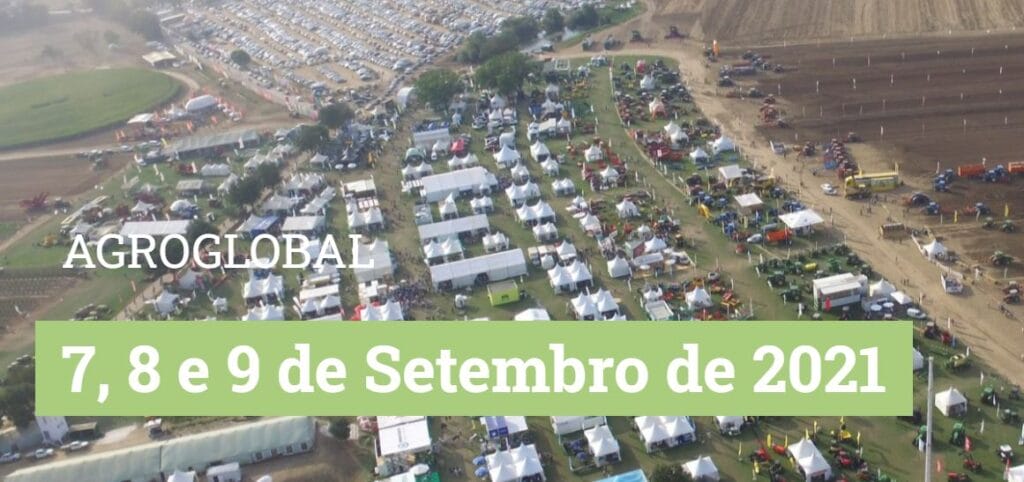
The European Rice Meeting will be held on September 7, starting at 10 a.m., in the Auditorium of the Companhia das Lezírias fairground Agroglobal 2021. The director of InnovPlantProtect will speak at 12 noon about the contribution of the Elvas CoLAB to the control of pyriculariosis.
Under the motto “A more sustainable European rice sector”, the ANIA - The National Association of Rice Producers and Casa do Arroz - Interprofessional Rice Association are organizing a meeting of the rice sector next Tuesday, September 7, at the National Association of Rice Producers. Agroglobal 2021. At 12 noon, Pedro Fevereiro, executive director of InnovPlantProtect, will talk about the contribution of the Elvas CoLAB to the control of pyriculariosis, one of the diseases that most affects this cereal.
The agricultural fair, where InnovPlantProtect will be present with its own stand and program, runs until the 9th in Valada do Ribatejo (Cartaxo, Santarém).
The European Rice Meeting begins at 10 a.m. in the Auditorium of Companhia das Lezírias, with the presentation of the project to promote European rice “Sustainable European Rice - Don't Think Twice”. At 11am, the INIAV and COTARROZThe National Program for the Genetic Improvement of Rice will be highlighted. Trace-rice - European Innovation Project for the Traceability and Valorization of Rice will be presented at 11:30.
The event ends at 12.30pm with a rice tasting.
Feature image: Donald Groth, Louisiana State University AgCenter, Bugwood.org
The collaborative laboratory (CoLAB) InnovPlantProtect (InPP) is present in Agroglobal 2021, The CoLAB will also have its own stand and a series of activities and initiatives aimed at publicizing CoLAB and the bio-based services and products it already offers and can offer to different sectors for protecting crops against pests and diseases (see details below).
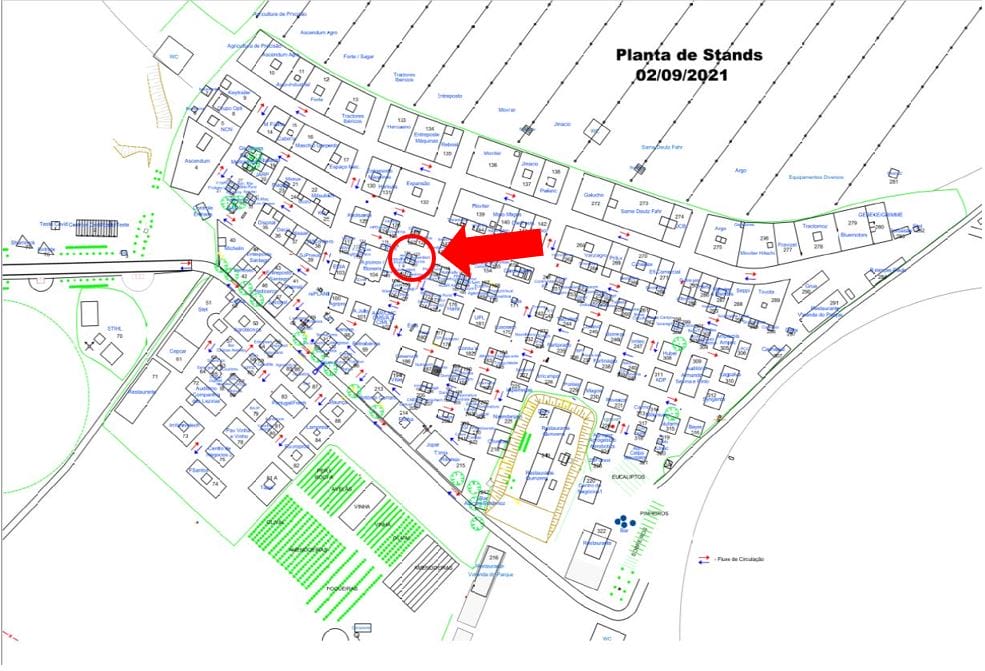
A Agroglobal 2021 takes place on September 7, 8 and 9, from 9:30 a.m. to 6 p.m., in Valada do Ribatejo (Cartaxo, Santarém). It is considered the major trade fair for the agricultural sector, particularly in terms of Innovation & Development. InPP is at Stand 119:
A InPP programming has:
Demos and presentations short and interactive presentations by each department of the InPP, with time for dialog with visitors
InPP ComVida... – flash happenings with invited partners and associates (see below)
Flavors of Elvas in Valada: raffle of Elvas plums among the visitors (with the support of elvense Artisanal Fruit)
among other surprises...
InPP PROGRAM (currently being updated):
HIGHLIGHTING 7/9, TUESDAY:
12pm: InPP participation in the European Rice Meeting, in the Auditorium of Companhia das Lezírias, with the speech by CEO Pedro Fevereiro “The contribution of CoLAB InnovPlantProtect to the control of pyriculariosis”
Xylella fastidiosaMeet XfSTOP - a combat strategy being developed by the InPP.
Chestnut trees, education and the Internet of Things: why are we putting sensors in trees?
Combating cork oak decline: find out what our AI-based remote detection and early warning can do for your production
Geolocated pests and diseases, for optimal/unparalleled online management, planning and visualization, right after sampling
HIGHLIGHTING 8/9, WEDNESDAY:
10am: Are diseases causing damage? We identify the pathogen and suggested ways of biological control. Do you want a product developed just for you? We do that too!
Xylella fastidiousMeet XfSTOP - a combat strategy being developed by the InPP.
Chestnut trees, education and the Internet of Things: why are we putting sensors in trees?
Cicadas in the vineyard: what can we offer to remote sensing, monitoring and diagnostics in the field pests and diseases
Risk models: climate at the service of agriculture: “The clouds that hang in the air / Drawn by the wind / Fetch water from the sea / To water in any weather” * Pathogens have long since learned the same tune and quickly respond to the weather. We develop and validate models and computer applications for predicting the risk of different diseases based on climate data
O microbiomethe importance ofunraveling the secrets of the microbial ecosystem that inhabits soils and plants
From 14:30: InPP ComVida... CEPAAL: olive oil tasting - because only healthy olives produce quality oil without defects
At 17:30,InPP ComVida... CEPAAL: signing ceremony of a partnership protocol between InPP and the Center for the Study and Promotion of Alentejo Olive Oil
From 10am: InPP ComVida... GREEN-IT: phenotyping and plant health/ cut protection + demonstration of phenotyping equipment in the field
Want to know a biological control agent?
11:30 a.m: Presentation of the ‘DIMAP: A digital ecosystem for integrated disease management in pear orchards‘ (SmartAgriHubs), which aims to add a consortium to evaluate the integration of methodologies for Rocha pear disease detection
We develop genomic prediction based on machine learning, which can accelerate the achievement of more resistant varieties diseases or with higher yield
I knew that biopesticides innovative and sustainable are only effective thanks to specifically designed formulations? InPP has an entire department dedicated to this discipline - see what we can offer you
Experience it live and in color: smart hydrogels based on natural polymers to facilitate the application/effectiveness of biological control agents
12pm:InPP ComVida... AHSA - Association of Horticulturists, Fruit Growers and Flower Growers of the Counties of Odemira and Aljezur (subject to confirmation)
3pm: InPP ComVida...Ambitrevo(subject to confirmation)
InnovPlantProtect (InPP) is a collaborative laboratory (CoLAB) dedicated to developing bio-based products and services for protecting crops against pests and diseases.
We are a private non-profit association with 12 founding members, This includes companies, universities, a municipality, an R&D center, a national research institute and producer associations.
Headquartered at INIAV's Elvas Campus and 150 m2 laboratories, we have a team with 38 highly qualified human resources (16 PhD, 17 MSc, 5 undergraduates), with the following skills:
Molecular Biology of Plants, Diseases and Pests
Biochemistry and Microbiology
Biotechnology and Molecular Improvement
Bioinformatics and Biostatistics
Formulations and Nano-/Micro-technology
Product Development
Geographic Information Systems
Computer Science and Artificial Intelligence
Project and Communication Management
OUR MISSION: Developing innovative bio-inspired products and services to protect Mediterranean crops
OUR VISION: Use the latest scientific knowledge to collaborate with stakeholders national and international, to solve the problems posed to Mediterranean agriculture by the emergence of new pests and diseases and the reduced availability of active ingredients
OUR OBJECTIVES - To produce: - New biopesticides for pests and diseases - New [plant] varieties resistant to pests and diseases - New monitoring and diagnostic methods - New risk analysis models
WHAT WE PRODUCE: New biopesticides (oligopeptide/ dsRNA-based)
Produced by GRAS microorganisms or from the phytomicrobiome
Formulated with biocompatible micro/nanoparticles
New plant varieties
Through molecular marker-assisted selection
Through genome editing
Detection and early warning systems
Based on remote sensing and Artificial Intelligence
Genomic prediction tools
Based on high-throughput sequencing and genotyping
Risk analysis models
Agricultural formulations
COLLABORATION WITH COMPANIES:
1. Exclusive contracts 2. Cooperation with funding from different programs 3. Services 3.1 Laboratories 3.1.1 Identification and molecular diagnosis of pests and diseases 3.1.2 Characterization of matrices using FT-NIR 3.1.3 Molecular identification of plant varieties 3.1.4 Development of agricultural formulations 3.1.5 Micropropagation of elite plants 3.2 Digital 3.2.1 Digital monitoring of pests and diseases 3.2.2 Models for predicting the spread of pests and diseases based on remote sensing and AI data 3.2.3 Risk models for emerging pests and diseases 3.2.4 Microbiome analysis 3.2.5 Comparative genomics 4. Agreements 5. Contracts with startups: product functionality screening; toxicological profile assessment; pre-development
*InPP is a recognized entity SIFIDE (System of Tax Incentives for Corporate R&D) - in other words, companies that invest their R&D expenses in us (part d’) will be able to deduct a percentage from their corporate income tax (IRC).




 Português
  English