News & Events

white plant

NEWS

InnovPlantProtect (InPP) is pleased to announce the publication of an international patent application (PCT) for a strain of Bacillus velezensis with application as a plant biostimulant. This innovation represents a significant milestone in our research, with a direct impact on sustainable agriculture and crop resilience in the face of climate and environmental challenges.

A natural and effective solution

The biostimulant developed by our team has been carefully studied and tested on different vegetable crops, such as tomatoes and lettuce, and on cereals, such as rice. The results obtained demonstrate the potential of this technology:

  • Greater development in the early stages of crops, This promotes more vigorous and healthy starts.
  • Increased productivity, This is evidenced by greater fresh biomass in lettuce and greater fruit production in tomatoes.
  • Proven molecular responses, with analyses confirming the activation of genes associated with plant responses to different types of abiotic stress.

These results reinforce the effectiveness of the Bacillus velezensis as a natural biostimulation tool, capable of boosting crop performance and contributing to more sustainable agriculture.

From the lab to the field

This patent is another step in InPP's commitment to developing innovative, sustainable biotechnological solutions with industrial applicability. The aim is clear: to support farmers and companies in the sector in meeting the challenges of crop productivity, quality and resilience, in an era when agriculture needs sustainable, high-impact responses.

We are looking for strategic partnerships

We are currently looking for new partnerships with companies and entities in the agricultural sector to take this technology from the laboratory to the field. We believe that collaboration is the key to turning scientific innovation into practical solutions that benefit the entire agricultural value chain.

If you're interested in learning more about this technology or exploring opportunities for collaboration, talk to us. Together we can drive a more productive, resilient and sustainable agriculture.

Innovate together. Protect better.

Image credits: InnovPlantProtect - Inês Ferreira (Photos from left to right: Sandra Caeiro and Rui Figueiras, researchers from the Specific Crop Protection Department and Inês Mexia, researcher from the Formulations and Process Development Department.

“We're here to listen to the sector's problems and find solutions together”. This was said by António Saraiva, executive director of InnovPlantProtect (InPP), who attended the eighth edition of the National Olive Oil Congress, held in Campo Maior and featured in the July edition of Voz do Campo magazine.

In the interview, António Saraiva highlighted the importance of olive growing, one of the most representative crops in the Mediterranean, and pointed out some of the major challenges currently facing the sector:

  • A growing shortage of phytosanitary solutions: many tools are disappearing and effective alternatives are not always emerging.
  • The long road between research and application in the field: the process of bringing a scientific solution to farmers can take around 10 years.
  • Impacts of climate change and emerging pests, which make farming even more difficult.

Faced with these challenges, InPP is committed to developing new innovative solutions that are environmentally friendly and sustainable for farmers. CoLAB is looking for agents such as active substances and microorganisms capable of controlling diseases and boosting biostimulants, as well as investing in digital technologies that allow producers to detect crop problems early and increase the effectiveness of interventions.

Another point highlighted by the executive director is the need to speed up the transfer of knowledge to the field, through partnerships and commercial agreements that ensure that innovations actually reach farmers.

“We're here to listen to the sector's problems and find solutions together. We want to be close to farmers, associations and companies, because that's the only way we can develop effective and sustainable tools,” António Saraiva stressed.

The full interview is available in the July issue of Voz do Campo magazine, on newsstands now, and in the image below.

It's called PROSPER and it's a new European project that aims to transform European agriculture through the valorization of “orphan” legumes - resistant crops, little exploited, but with great potential to face the challenges of climate and food in the future.

The consortium, with total funding of around 5 million euros, brings together 27 partners from 13 European countries and Tunisia, including universities, research centers, companies and non-profit organizations in the agricultural sector. Among them are countries from the Mediterranean (Italy, Spain, Greece, Portugal and France), Central Europe (Germany, Belgium, Poland, Bulgaria and Romania), Northern Europe (Denmark, Sweden and Finland).

The aim of PROSPER is to test and validate new agricultural diversification strategies, adapted to different climates and social and economic contexts, promoting more sustainable, innovative practices that are adjusted to the needs of different agricultural realities.

InPP, PROSPER's partner, will be responsible for analyzing:

  • Soil health and environmental impact
  • Energy efficiency and waste management
  • Nutritional quality of crops
  • Fair valuation along the production chain

To do this, the InPP team will use advanced technologies, such as real-time sensors and geospatial analysis, which will help study soil health, carbon sequestration captured by crops, water management and biodiversity, among others.

PROSPER is co-created with the main players in the agricultural sector, ensuring that the solutions developed do not remain on paper: they will be practical, useful and transformative.

The project starts in September 2025. We are ready to embark on this journey towards a greener, fairer and more resilient agriculture.

Stay tuned for more news!

EVENTS

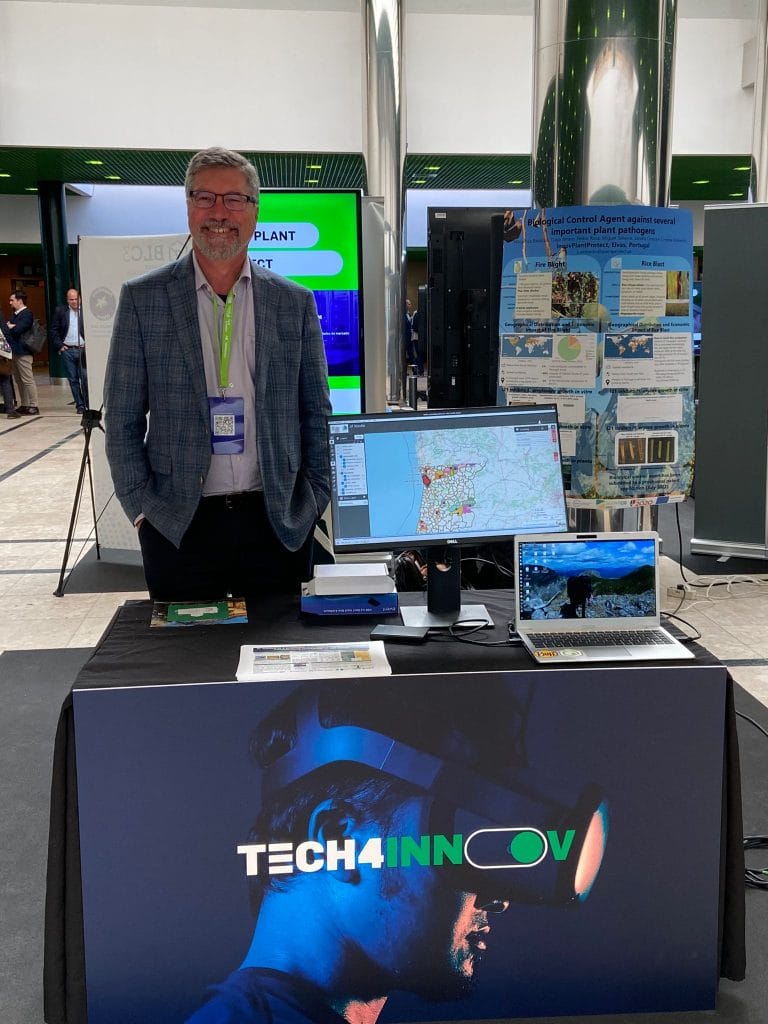
Hoje, dia 29 de março, o InnovPlantProtect esteve no Europarque, em Santa Maria da Feira, no Porto, para participar no TECH4INNOV: o Presente e o Futuro da Inovação em Portugal, uma mostra tecnológica que junta várias atores do Sistema Nacional de Inovação (SNI) para darem a conhecer os resultados de projetos de Investigação e Desenvolvimento (I&D) e as tecnologias que têm desenvolvido, mostrando assim o melhor que se tem feito na transformação do conhecimento em inovação.

O evento, organizado pela Agência Nacional de Inovação (ANI), teve como principal objetivo promover as atividades de transferência de tecnologia e do conhecimento, potenciando a sua valorização e comercialização permitindo uma maior e melhor articulação entre as empresas e entidades do Sistema Científico e Tecnológico Nacional.

Durante o dia foram expostas novas tecnologias assim como discutidas novas perspetivas e soluções disruptivas em painéis de debate com convidados nacionais e internacionais e espaços de demonstração, onde estiveram patentes casos de sucesso desenvolvidos por Centros de Tecnologia e Inovação (CTI), Laboratórios Colaborativos (CoLAB), Gabinetes de Transferência de Tecnologia (TTO), Digital Innovation Hubs, entre outras entidades do SNI.

More information about the event here.

Yesterday, March 27, saw the launch of the Vertical Algae project, part of the Blue Bioeconomy Pact mobilizing agenda, led by Inovamar, and in which InnovPlantProtect (InPP) is involved, at the University of the Algarve in Faro.

InPP was present to present the agricultural activity it coordinates, in partnership with the collaborative laboratory GreenCoLAB, The aim of the project is to identify, produce and test algae-based biopesticides and biostimulants to make agriculture more sustainable.

The public session included speeches by Miguel Marques, Chairman of Inovamar's Board of Directors, João Navalho, Chairman of Necton's Board of Directors, José Apolinário, President of the Algarve Regional Coordination and Development Commission and Pedro Valadas Monteiro, Algarve Regional Director for Agriculture and Fisheries. The initiative also included a round table, moderated by Necton, with the participation of all the previous speakers.

The Vertical Algae consortium, which involves a total of 38 entities, including companies, universities, CoLABs and Research and Development (R&D) centers, will have funding of 44 million euros, and aims to provide the national algae sector with the necessary capacity and competitive advantages, based on new sustainable products, processes and services, to compete in global markets and raise the national brand in the European blue bioeconomy.

In addition to this consortium, led by Necton, linked to the algae sector, launched this Monday in the Algarve, this mobilizing agenda includes six more secondary consortia, linked to the creation of new industries: biomaterials, bivalves, textiles, food, animal feed and fish.

Vertical Algae is co-financed by the Next Generation EU Funds, through the Recovery and Resilience Plan (RRP), and is the largest initiative in the Blue Bioeconomy Pact agenda.

Financing:

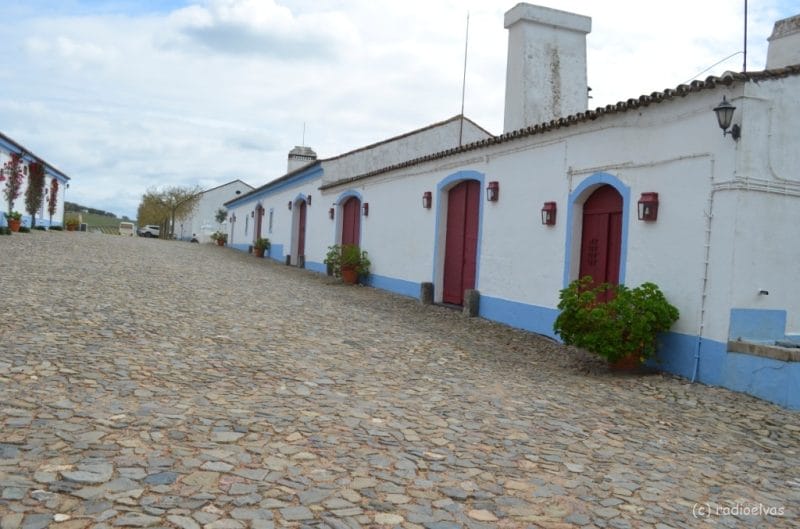
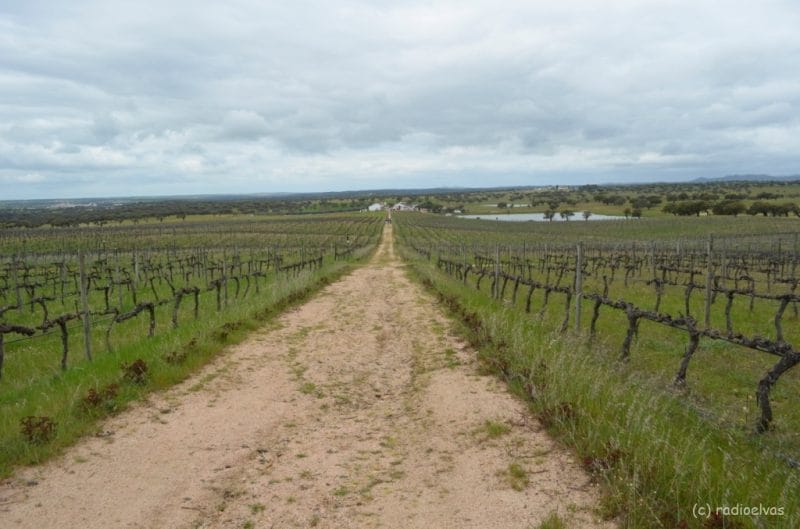
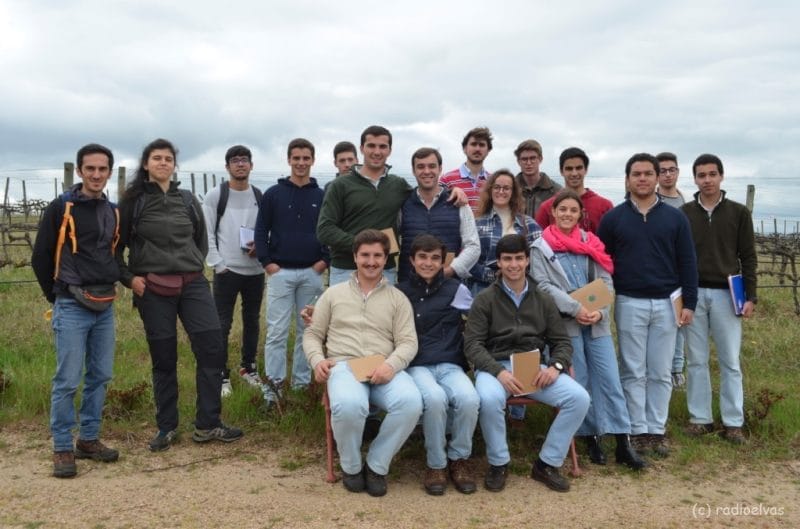
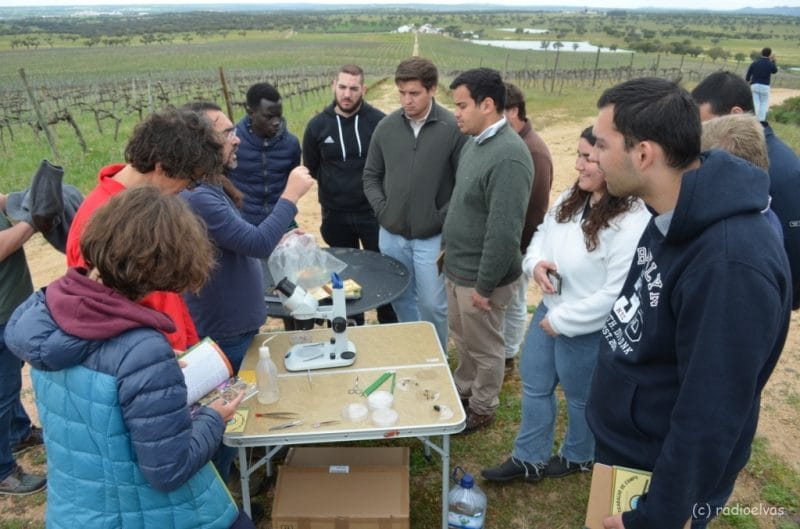
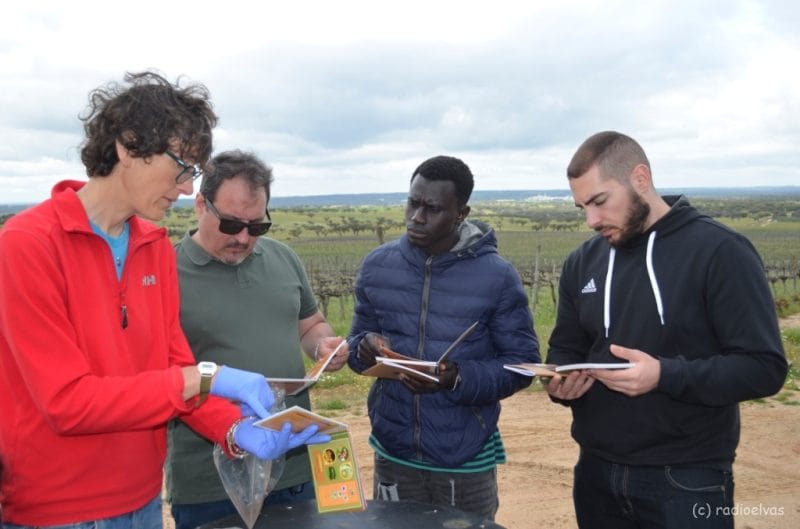
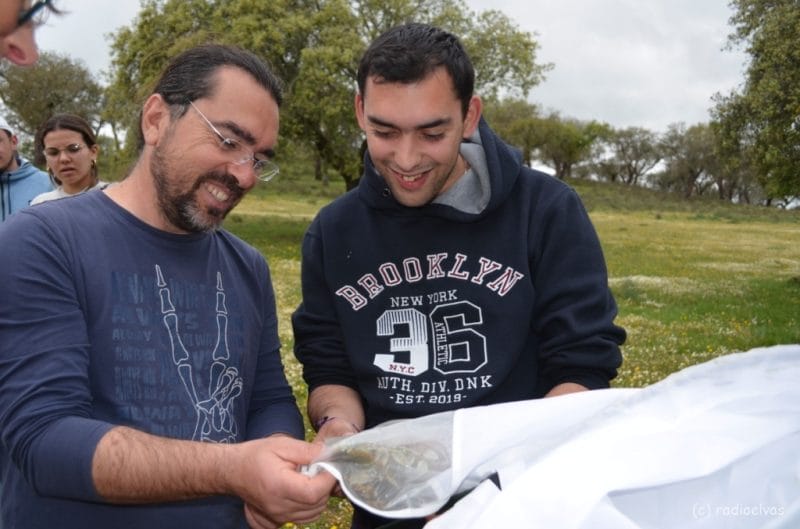
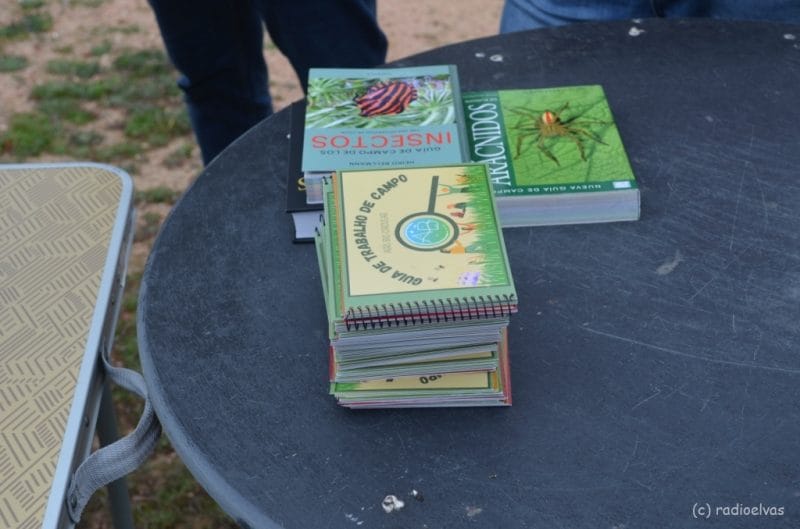
The ABC - AgriBioCircular project team held its first field activity with students from the D. Sancho II Secondary School and the Escola Superior Agrária de Elvas this Friday, March 24, at the Reynolds Wine Growers estate in Arronches.

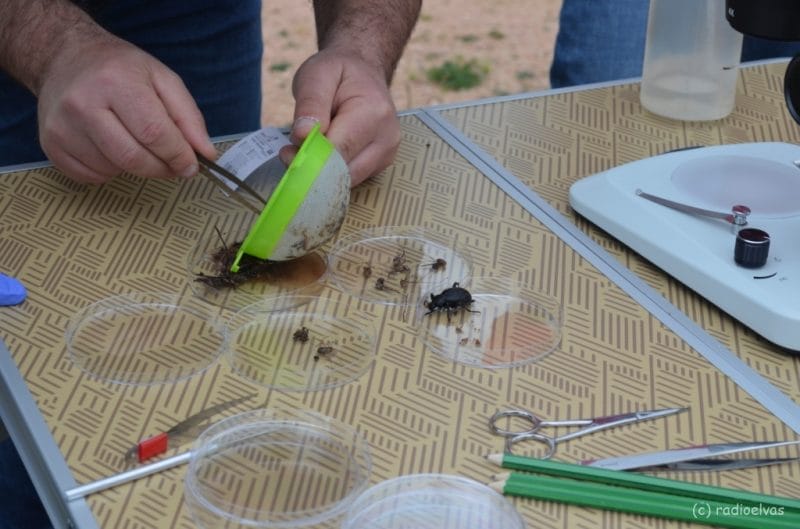
During the field activity, the students had the opportunity to learn how to identify the insects found in each habitat and experiment with different techniques for sampling insects and microorganisms, both using traditional techniques and more technologically advanced ones, using sensors and artificial intelligence.

“The aim is to put into practice, in the olive groves and cork oak forests of this property, what was worked on in the classroom, namely to teach the students how to identify the insects found in each habitat, using traditional (...) sampling techniques, as well as others that are more technologically advanced,” explained Nuno Faria, an IPP researcher.

The aim is for the students “to be able to identify what they see in the field, as well as to learn which insects are useful in ecosystems, but also those that are potentially pests and harmful to crops in the Alentejo,” added the researcher.

The ABC - AgriBioCircular project, led by InPP, is funded by the Environmental Fund program, under the National Environmental Education Strategy (ENEA 2022).

Find out more about the field trip in the Rádio ELVAS news item here.

Image credit: Rádio Elvas