A monitorização de pragas é uma tarefa essencial na gestão agrícola, mas continua a depender, em muitos casos, de processos manuais demorados e sujeitos a erro.
A pensar nesta realidade, o InnovPlantProtect irá lançar brevemente a iCountPests, uma aplicação inovadora que utiliza inteligência artificial para automatizar a contagem de pragas a partir de imagens captadas no campo.
Com a iCountPests, será possível obter resultados rápidos e fiáveis, contribuindo para uma tomada de decisão mais informada e eficiente na proteção das culturas.
A aplicação estará brevemente disponível, sendo direcionada a produtores agrícolas e técnicos que procuram otimizar o tempo dedicado à monitorização e melhorar a precisão dos dados recolhidos.
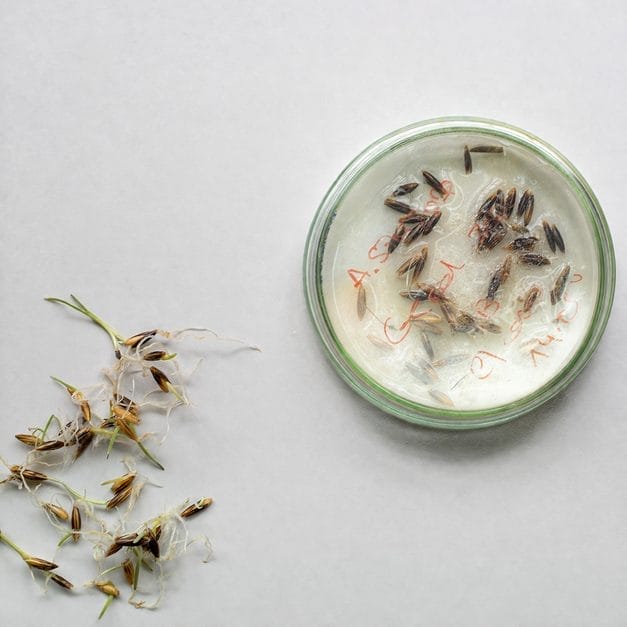
Uma nova tecnologia de revestimento biológico de sementes desenvolvida pelo InnovPlantProtect (InPP), em colaboração com a Fertiprado, poderá vir a transformar o desempenho de pastagens e forragens, contribuindo para sistemas agrícolas mais eficientes e sustentáveis.
Baseada em compostos derivados de algas, esta solução inovadora apresenta efeito bioestimulante e foi concebida para atuar desde as fases iniciais do desenvolvimento das plantas. Os ensaios realizados demonstraram resultados promissores ao nível da estimulação da nodulação em leguminosas, do crescimento vegetativo e da resistência das plantas a condições adversas, com impacto positivo no valor nutricional do pasto.
Este desenvolvimento resulta de um percurso de investigação conjunta que decorreu ao longo de cinco anos, refletindo o compromisso contínuo do InPP em transformar conhecimento científico em soluções com aplicação prática no setor agrícola. A tecnologia encontra-se atualmente em processo de patenteamento e representa um marco relevante no pipeline de inovação do laboratório.
Para a Fertiprado, parceiro estratégico neste projeto, esta tecnologia constitui uma alternativa aos revestimentos tradicionais baseados em compostos sintéticos, reforçando a aposta em soluções mais sustentáveis e alinhadas com as necessidades futuras da agricultura.
O desenvolvimento desta solução insere-se na Agenda Mobilizadora Pacto da Bioeconomia Azul, financiada pelo Plano de Recuperação e Resiliência (PRR), iniciativa que promove a valorização de recursos marinhos através da criação de novos produtos e tecnologias. Como parte do processo de valorização da tecnologia, foi assinado um memorando de entendimento com vista à sua futura exploração comercial.
Num contexto em que a procura por biosoluções agrícolas continua a crescer, iniciativas colaborativas como esta demonstram o papel fundamental da investigação aplicada na resposta aos desafios da sustentabilidade e da produtividade agrícola.
Investigação com impacto no setor agrícola
O trabalho desenvolvido pelo InPP evidencia o valor da colaboração entre ciência e indústria, permitindo acelerar processos de inovação e criar soluções ajustadas às necessidades reais do setor agrícola.
A parceria com empresas constitui um dos pilares estratégicos do InPP, promovendo a transferência de conhecimento científico e o desenvolvimento de tecnologias que contribuem para sistemas agrícolas mais resilientes e sustentáveis.
O InPP participou no Fórum Nacional de Clubes Ciência Viva na Escola, que teve lugar no dia 27 de março, integrando a Mostra de Ciência e Tecnologia com um stand dedicado à proteção das plantas.
Neste espaço, foram apresentados diversos materiais demonstrativos, incluindo placas de Petri com fungos e bactérias, plantas, algas e exemplos de produtos formulados, com o objetivo de despertar o interesse e a curiosidade dos visitantes para a importância da saúde das plantas e da investigação científica nesta área.
Ao longo do dia, a Gestora de Comunicação, Inês Ferreira, e o Gestor de Inovação, Paulo Madeira, dinamizaram o contacto com o público visitante, explicando de que forma a investigação em proteção das plantas contribui para melhorar a proteção das culturas e promover uma agricultura mais resiliente e sustentável.
O Fórum Nacional de Clubes Ciência Viva na Escola decorreu no CNEMA, em Santarém, reunindo escolas, centros Ciência Viva, universidades, centros de investigação e diversas outras entidades, num encontro dedicado à ciência, tecnologia e inovação.
O InPP agradece a todos os visitantes que passaram pelo seu stand, destacando a importância destes momentos de partilha para promover o conhecimento científico junto da comunidade.
The InnovPlantProtect (InPP) collaborative laboratory (CoLAB) has been integrated in the list of Competent Organizations of the European Food Safety Authority, or EFSA) designated by the member states, with the capacity to assist that European Union agency.
This integration “represents EFSA's recognition of the skills installed at the InPP,” notes CoLAB's executive director, Pedro Fevereiro, expressing CoLAB's full willingness to collaborate with the European Food Safety Authority in pursuing its objectives.
Today, March 21, 2022, InnovPlantProtect (InPP) received a visit from the Ministers of Science, Technology and Higher Education, Manuel Heitor, and Territorial Cohesion, Ana Abrunhosa, and the Secretary of State for the Enhancement of the Interior, Isabel Ferreira.
“Seeing these renovated facilities shows that there is an effort here that now needs to continue,” said Manuel Heitor, congratulating the InPP, particularly in terms of retaining highly qualified human resources, such as the 16 doctoral graduates from CoLAB. Ana Abrunhosa also congratulated InPP's associates on the combination of wills that gave birth to this collaborative laboratory, adding that the government will continue to give priority to interface structures such as CoLABs within the scope of European funding programs.
InPP's executive director, Pedro Fevereiro, led the tour of the new and old facilities at INIAV's Elvas Campus and presented InnovPlantProtect's structure, team, projects and future plans. Asked by Manuel Heitor about InPP's potential for internationalization, and while stressing that CoLAB is still in the installation phase, Pedro Fevereiro mentioned the various relationships already established in Spain and contacts to be explored with Brazil.
The fact that CoLAB has two multinationals (Bayer and Syngenta) as associates is aimed precisely at this strategy, recalled Isabel Rocha, vice-rector of NOVA University Lisbon, representing the InPP board of directors, arguing that this is a two-year project.
The visit was also attended by José Rondão Almeida, mayor of Elvas, Luís Loures, president of the Portalegre Polytechnic Institute (IPPortalegre), Fernando Rebola, vice-president of IPPortalegre, Rosário Félix, representing the University of Évora, Miguel de Castro Neto, from NOVA IMS, the president and vice-president of CCDR Alentejo, António Ceia da Silva and Carmen Carvalheira, Margarida Oliveira, from ITQB NOVA and coordinator of the InPP working group, the director of INIAV's Elvas Pole, Benvindo Maçãs, and Pedro Viterbo, manager of Fertiprado.
Better production, better nutrition, a better environment and a better life, leaving no one behind: InnovPlantProtect (InPP) subscribes to the principle of the “four bests” by FAO, The transformation to agri-food systems is achievable.more efficient, inclusive, resilient and sustainable, within the framework of the The organization's Strategic Framework for 2022-2031 and the 2030 Agenda for Sustainable Development.
With the “top four”, the Food and Agriculture Organization (FAO) of the United Nations aims to contribute to achieving the agenda of the Sustainable Development Goals (SDGs), namely SDGs #1 (Eradicate poverty), #2 (Eradicate hunger) and #10 (Reduce inequalities). InPP is committed to achieving this vision through its mission to develop bioinspired solutions for protecting crops against pests and diseases.
The interconnection between the economic, social and environmental dimensions of agri-food systems is reflected in the “four bests”, encouraging a strategic and systems-oriented approach. “Better production” refers to efficient and inclusive agri-food supply chains at local, regional and global levels, ensuring resilience and sustainability in the face of climate and environmental change, with a view to achieving more sustainable consumption and production patterns.
The “better nutrition” pillar represents the goals of eradicating hunger, achieving food security, promoting nutritious food and increasing access to healthy diets. On the other hand, more efficient, inclusive, resilient and sustainable agri-food systems must also contribute to a “better environment” by protecting, restoring and encouraging the sustainable use of terrestrial and marine ecosystems, and combating climate change.
Last not least, By reducing inequalities (between urban and rural areas, rich and poor countries, men and women), the FAO hopes that we can promote inclusive economic growth and a better life for all, leaving no one behind.



 Português
  English