A monitorização de pragas é uma tarefa essencial na gestão agrícola, mas continua a depender, em muitos casos, de processos manuais demorados e sujeitos a erro.
A pensar nesta realidade, o InnovPlantProtect irá lançar brevemente a iCountPests, uma aplicação inovadora que utiliza inteligência artificial para automatizar a contagem de pragas a partir de imagens captadas no campo.
Com a iCountPests, será possível obter resultados rápidos e fiáveis, contribuindo para uma tomada de decisão mais informada e eficiente na proteção das culturas.
A aplicação estará brevemente disponível, sendo direcionada a produtores agrícolas e técnicos que procuram otimizar o tempo dedicado à monitorização e melhorar a precisão dos dados recolhidos.
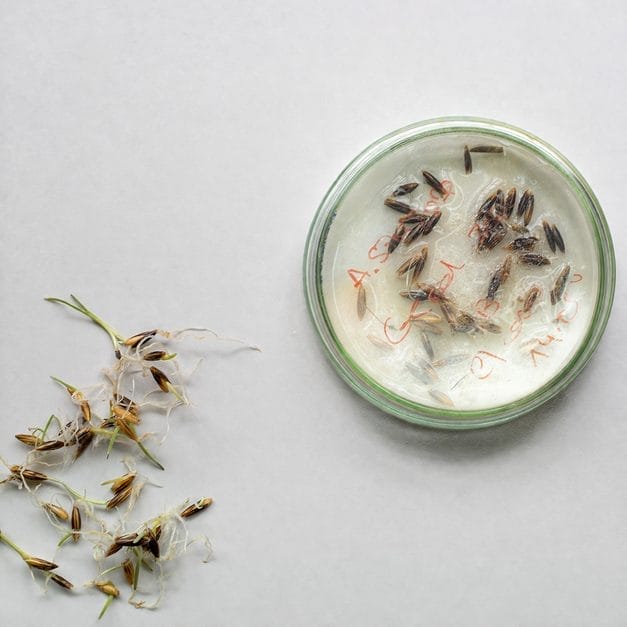
Uma nova tecnologia de revestimento biológico de sementes desenvolvida pelo InnovPlantProtect (InPP), em colaboração com a Fertiprado, poderá vir a transformar o desempenho de pastagens e forragens, contribuindo para sistemas agrícolas mais eficientes e sustentáveis.
Baseada em compostos derivados de algas, esta solução inovadora apresenta efeito bioestimulante e foi concebida para atuar desde as fases iniciais do desenvolvimento das plantas. Os ensaios realizados demonstraram resultados promissores ao nível da estimulação da nodulação em leguminosas, do crescimento vegetativo e da resistência das plantas a condições adversas, com impacto positivo no valor nutricional do pasto.
Este desenvolvimento resulta de um percurso de investigação conjunta que decorreu ao longo de cinco anos, refletindo o compromisso contínuo do InPP em transformar conhecimento científico em soluções com aplicação prática no setor agrícola. A tecnologia encontra-se atualmente em processo de patenteamento e representa um marco relevante no pipeline de inovação do laboratório.
Para a Fertiprado, parceiro estratégico neste projeto, esta tecnologia constitui uma alternativa aos revestimentos tradicionais baseados em compostos sintéticos, reforçando a aposta em soluções mais sustentáveis e alinhadas com as necessidades futuras da agricultura.
O desenvolvimento desta solução insere-se na Agenda Mobilizadora Pacto da Bioeconomia Azul, financiada pelo Plano de Recuperação e Resiliência (PRR), iniciativa que promove a valorização de recursos marinhos através da criação de novos produtos e tecnologias. Como parte do processo de valorização da tecnologia, foi assinado um memorando de entendimento com vista à sua futura exploração comercial.
Num contexto em que a procura por biosoluções agrícolas continua a crescer, iniciativas colaborativas como esta demonstram o papel fundamental da investigação aplicada na resposta aos desafios da sustentabilidade e da produtividade agrícola.
Investigação com impacto no setor agrícola
O trabalho desenvolvido pelo InPP evidencia o valor da colaboração entre ciência e indústria, permitindo acelerar processos de inovação e criar soluções ajustadas às necessidades reais do setor agrícola.
A parceria com empresas constitui um dos pilares estratégicos do InPP, promovendo a transferência de conhecimento científico e o desenvolvimento de tecnologias que contribuem para sistemas agrícolas mais resilientes e sustentáveis.
O InPP participou no Fórum Nacional de Clubes Ciência Viva na Escola, que teve lugar no dia 27 de março, integrando a Mostra de Ciência e Tecnologia com um stand dedicado à proteção das plantas.
Neste espaço, foram apresentados diversos materiais demonstrativos, incluindo placas de Petri com fungos e bactérias, plantas, algas e exemplos de produtos formulados, com o objetivo de despertar o interesse e a curiosidade dos visitantes para a importância da saúde das plantas e da investigação científica nesta área.
Ao longo do dia, a Gestora de Comunicação, Inês Ferreira, e o Gestor de Inovação, Paulo Madeira, dinamizaram o contacto com o público visitante, explicando de que forma a investigação em proteção das plantas contribui para melhorar a proteção das culturas e promover uma agricultura mais resiliente e sustentável.
O Fórum Nacional de Clubes Ciência Viva na Escola decorreu no CNEMA, em Santarém, reunindo escolas, centros Ciência Viva, universidades, centros de investigação e diversas outras entidades, num encontro dedicado à ciência, tecnologia e inovação.
O InPP agradece a todos os visitantes que passaram pelo seu stand, destacando a importância destes momentos de partilha para promover o conhecimento científico junto da comunidade.
O sistema alimentar global é um dos setores mais ameaçados pela emergência climática. Mas afinal quais poderão ser os contributos da ciência e da inovação para garantir uma alimentação variada, saudável e sustentável, no exigente contexto de alterações climáticas?
O tema do 20.⁰ Café de Ciência no Parlamento, organized by Ciência Viva, foi “Emergência climática: o carteiro não toca duas vezes” e teve lugar ontem, dia 19 de outubro, pelas 18h, na Assembleia da República. O diretor executivo do InnovPlantProtect (InPP), Pedro February, participou no encontro.
Pedro Fevereiro alertou que “nós estamos em mudança e temos que saber gerir a mudança e adaptarmo-nos a ela e não fixarmos os pés na terra e pensar que podemos continuar a ser como somos. Temos de ser outra coisa”. “E como é que compatibilizamos este desejo de nos ajustarmos, com a necessidade de sermos sustentáveis a diversos níveis?”, questionou o diretor executivo.
Vídeo da intervenção do Diretor executivo do InPP na iniciativa “Café de Ciência no Parlamento”
Esta iniciativa juntou cientistas, deputados e empresários para debater o impacto das alterações climáticas no sistema alimentar global e apresentar medidas concretas para travar o atual paradigma. Estiveram presentes Augusto Santos Silva, Presidente da Assembleia da República, Elvira Fortunato, Ministra da Ciência, Tecnologia e Ensino Superior, Alexandre Quintanilha, Presidente da Comissão Parlamentar de Educação e Ciência, Tiago Brandão Rodrigues, Presidente da Comissão Parlamentar de Ambiente e Energia e Rosalia Vargas, Presidente da Ciência Viva.
O encontro teve transmissão via streaming. Pode (re)ver o encontro na íntegra no canal de YouTube do Pavilhão do Conhecimento here.
Mas afinal quais são os principais obstáculos atuais à segurança alimentar? A nossa alimentação está segura? O que vai mudar nos próximos anos?
O diretor executivo do InnovPlantProtect, Pedro Fevereiro, foi um dos oradores convidados na mais recente reunião do Conselho de Segurança, um projeto promovido pelo Expresso e Continente, que decorreu no passado dia 10 de Outubro em Lisboa, e que serviu para discutir os principais desafios relacionados com a segurança alimentar, um tema central em tempos de inflação e de guerra.
O diretor executivo falou no painel sobre “Como garantir a segurança alimentar junto dos portugueses? O papel da ciência e o papel do negócio”, que contou também com a participação de Ondina Afonso, presidente do Clube de Produtores Continente e diretora da Qualidade & Investigação da Sonae MC.
O debate foi transmitido via Facebook. Pode (re)ver o debate na íntegra na página de Facebook do Jornal Expresso here.
Na passada terça-feira, dia 11 de Outubro, o InnovPlantProtect (InPP) recebeu a visita do Prof. Sophien Kamoun e do Prof. Paul Christou do Conselho Consultivo da Unidade de Investigação GREEN-IT do Instituto de Tecnologia Química e Biológica António Xavier (ITQB NOVA) e de alguns dos seus investigadores.
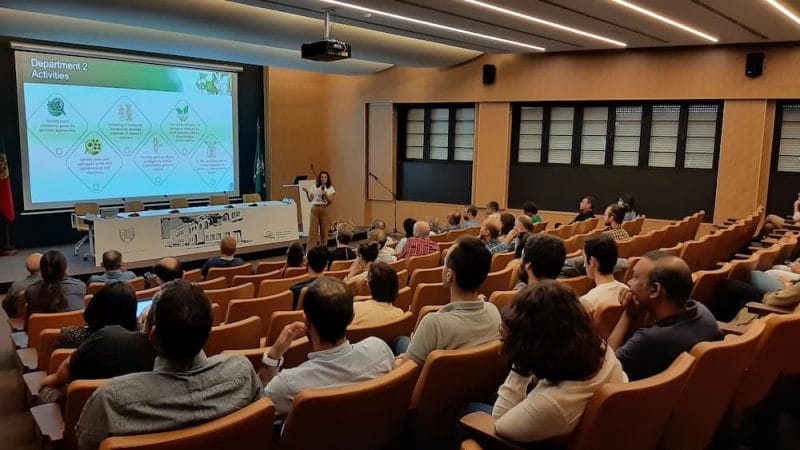
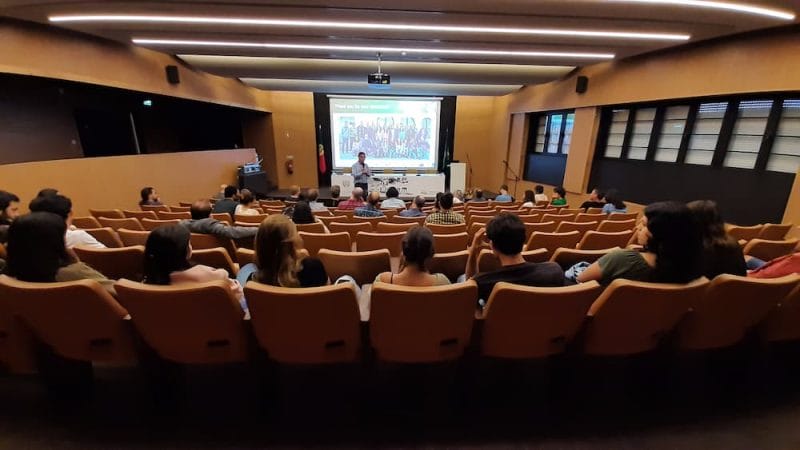
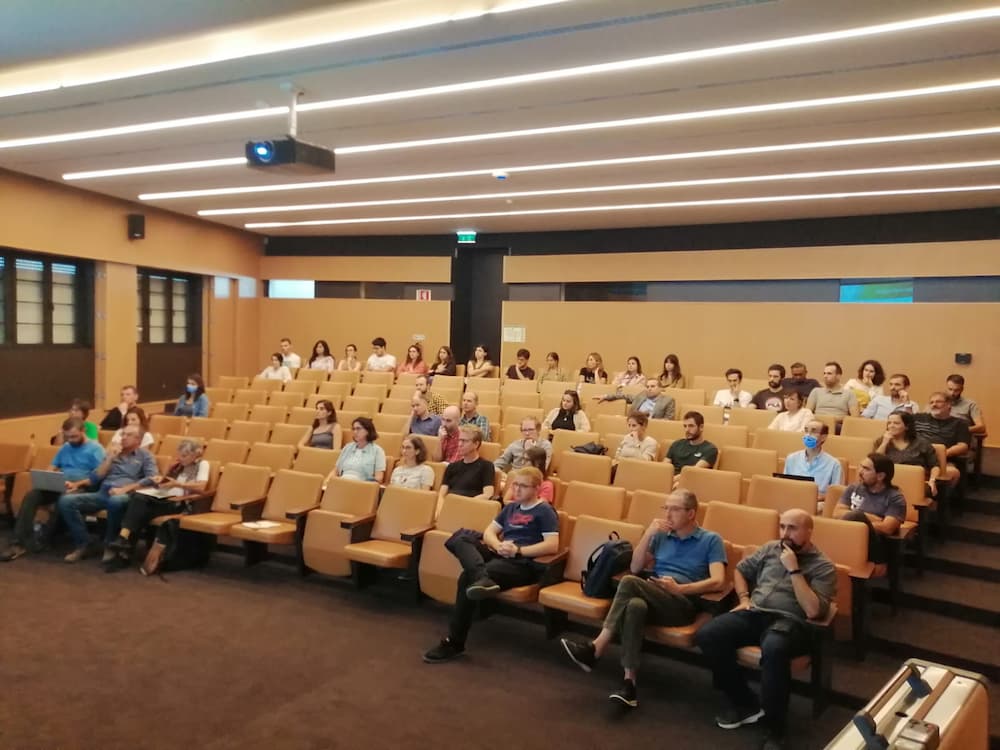
Durante a visita, o diretor executivo Pedro February e os diretores de departamento Cristina Azevedo, Sandra Correia, Ricardo Ramiro, Ilaria Marengo e David Learmonth apresentaram o InPP e as diferentes áreas de investigação que estão a ser exploradas pelos cinco departamentos do laboratório colaborativo (CoLAB). As apresentações foram seguidas por uma visita às novas instalações e laboratórios.
Esta visita pretendeu não só dar a conhecer as atividades do CoLAB, como também potenciar futuras oportunidades de parcerias e colaborações entre as duas instituições.
Um agradecimento especial à GREEN-IT pela visita.
Apresentações de Pedro Fevereiro, Cristina Azevedo, Sandra Correia, Ricardo Ramiro, iLaria Marengo e David Learmonth, membros da GREEN-IT (da esquerda para a direita e de cima para baixo)





 Português
  English