A monitorização de pragas é uma tarefa essencial na gestão agrícola, mas continua a depender, em muitos casos, de processos manuais demorados e sujeitos a erro.
A pensar nesta realidade, o InnovPlantProtect irá lançar brevemente a iCountPests, uma aplicação inovadora que utiliza inteligência artificial para automatizar a contagem de pragas a partir de imagens captadas no campo.
Com a iCountPests, será possível obter resultados rápidos e fiáveis, contribuindo para uma tomada de decisão mais informada e eficiente na proteção das culturas.
A aplicação estará brevemente disponível, sendo direcionada a produtores agrícolas e técnicos que procuram otimizar o tempo dedicado à monitorização e melhorar a precisão dos dados recolhidos.
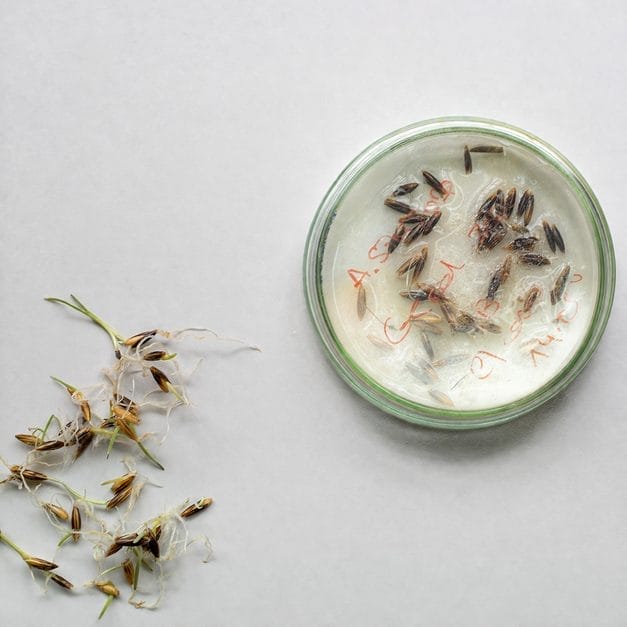
Uma nova tecnologia de revestimento biológico de sementes desenvolvida pelo InnovPlantProtect (InPP), em colaboração com a Fertiprado, poderá vir a transformar o desempenho de pastagens e forragens, contribuindo para sistemas agrícolas mais eficientes e sustentáveis.
Baseada em compostos derivados de algas, esta solução inovadora apresenta efeito bioestimulante e foi concebida para atuar desde as fases iniciais do desenvolvimento das plantas. Os ensaios realizados demonstraram resultados promissores ao nível da estimulação da nodulação em leguminosas, do crescimento vegetativo e da resistência das plantas a condições adversas, com impacto positivo no valor nutricional do pasto.
Este desenvolvimento resulta de um percurso de investigação conjunta que decorreu ao longo de cinco anos, refletindo o compromisso contínuo do InPP em transformar conhecimento científico em soluções com aplicação prática no setor agrícola. A tecnologia encontra-se atualmente em processo de patenteamento e representa um marco relevante no pipeline de inovação do laboratório.
Para a Fertiprado, parceiro estratégico neste projeto, esta tecnologia constitui uma alternativa aos revestimentos tradicionais baseados em compostos sintéticos, reforçando a aposta em soluções mais sustentáveis e alinhadas com as necessidades futuras da agricultura.
O desenvolvimento desta solução insere-se na Agenda Mobilizadora Pacto da Bioeconomia Azul, financiada pelo Plano de Recuperação e Resiliência (PRR), iniciativa que promove a valorização de recursos marinhos através da criação de novos produtos e tecnologias. Como parte do processo de valorização da tecnologia, foi assinado um memorando de entendimento com vista à sua futura exploração comercial.
Num contexto em que a procura por biosoluções agrícolas continua a crescer, iniciativas colaborativas como esta demonstram o papel fundamental da investigação aplicada na resposta aos desafios da sustentabilidade e da produtividade agrícola.
Investigação com impacto no setor agrícola
O trabalho desenvolvido pelo InPP evidencia o valor da colaboração entre ciência e indústria, permitindo acelerar processos de inovação e criar soluções ajustadas às necessidades reais do setor agrícola.
A parceria com empresas constitui um dos pilares estratégicos do InPP, promovendo a transferência de conhecimento científico e o desenvolvimento de tecnologias que contribuem para sistemas agrícolas mais resilientes e sustentáveis.
O InPP participou no Fórum Nacional de Clubes Ciência Viva na Escola, que teve lugar no dia 27 de março, integrando a Mostra de Ciência e Tecnologia com um stand dedicado à proteção das plantas.
Neste espaço, foram apresentados diversos materiais demonstrativos, incluindo placas de Petri com fungos e bactérias, plantas, algas e exemplos de produtos formulados, com o objetivo de despertar o interesse e a curiosidade dos visitantes para a importância da saúde das plantas e da investigação científica nesta área.
Ao longo do dia, a Gestora de Comunicação, Inês Ferreira, e o Gestor de Inovação, Paulo Madeira, dinamizaram o contacto com o público visitante, explicando de que forma a investigação em proteção das plantas contribui para melhorar a proteção das culturas e promover uma agricultura mais resiliente e sustentável.
O Fórum Nacional de Clubes Ciência Viva na Escola decorreu no CNEMA, em Santarém, reunindo escolas, centros Ciência Viva, universidades, centros de investigação e diversas outras entidades, num encontro dedicado à ciência, tecnologia e inovação.
O InPP agradece a todos os visitantes que passaram pelo seu stand, destacando a importância destes momentos de partilha para promover o conhecimento científico junto da comunidade.
O InnovPlantProtect (InPP) estará presente na terceira edição do Encontro Anual de Laboratórios Colaborativos (CoLAB), organizada pela National Innovation Agency (ANI), cujo objetivo é promover e monitorizar as atividades e a evolução progressiva dos 41 CoLABs atualmente reconhecidos, assim como o seu desenvolvimento no contexto de estratégias de investigação e inovação regionais, nacionais e europeias, e que vai decorrer na Universidade do Algarve, no Campus da Penha, entre os dias 6 e 7 de dezembro.
O 3.º Encontro Anual de Laboratórios Colaborativos pretende debater a evolução das atividades dos CoLAB e a sua integração na dinâmica dos ecossistemas regionais, durante a transição para um novo ciclo de financiamento de base, no âmbito da Missão Interface e do Plano Nacional de Recuperação e Resiliência (PRR). Este evento contará com a apresentação dos principais resultados obtidos durante 2022 e os highlights da rede nacional de CoLAB.
O evento contará com a presença de Joana Mendonça, Presidente da ANI, Madalena Alves, Presidente da Fundação para a Ciência e Tecnologia (FCT), João Mendes Borga, Membro da Direção da ANI, e Paulo Águas, reitor da Universidade do Algarve. Nesta edição participaram ainda empresas, decisores políticos e peritos nacionais e internacionais.
Neste evento serão debatidos diversos temas de grande impacto como os desafios da população cada vez mais envelhecida, a transformação digital, a crise energética, a economia circular com novos modelos de negócio para um futuro sustentável, as perspetivas portuguesas dos CoLAB e a plataforma da Missão de Interface, entre outros.
Todas as sessões vão decorrer exclusivamente em inglês e serão transmitidas em direto, através do canal de Youtube da ANI here.
A ANI é a entidade que acompanha a implementação da agenda de investigação e inovação de todos os CoLAB. O processo de reconhecimento dos Laboratórios Colaborativos é assegurado pela FCT.
Gafa, or anthracnose, is a disease of the olive grove caused by several species of fungus of the genus Colletotrichum, such as Colletotrichum accutatum, C. nymphaeae or C. godetiae [1,2]. Symptoms typically appear on ripening olives and include: brownish/black spots with depression, dehydration and early fall. In extreme cases, defoliation and branch death can occur [3]. The presence of diseased olives also has a negative influence on olive oil quality, increasing acidity and lowering the oil's oxidative stability [4].
Olive with gafa/anthracnose. Source: Olive Times
Gafa is considered the main disease in olive groves in Portugal and is one of the diseases that will be monitored in the AlViGen project. In order to be able to monitor the strains of Colletotrichum present in the olive grove and derive useful information from this monitoring, we need to have an association between the genome and the phenotype of these strains. That way, when we apply genomic surveillance to Colletotrichum If we identify a particular genotype, we can also identify its phenotypic characteristics. For example, its virulence or pattern of resistance to fungicides.
In order to have this association between genetics and the phenotype of the Colletotrichum, We are working with Rosário Félix's group, a professor at the University of Évora, on the isolation and characterization of strains of Colletotrichum isolated throughout the country. As such, we are asking for the community's help in sending us olive samples so that we can characterize the Colletotrichum present in your olive grove!
The process is very simple:
1. Put 10 olives in a bag (of a single variety) at the time of the color change (with or without symptoms).
2. Fill in the questionnaire to characterize the sample, using your cell phone (see below).
3. Write the sample code on the bag (code generated when filling in the form)
4. Put the bag in a box or padded envelope and send it to: Maria do Rosário Félix Plant Virology Laboratory, room 108, Santos Júnior Building Mitra Center, University of Évora 7000-083 Évora
Cell phone data collection form
So that we can collect data about the sampling site and the type of farm, we ask those who send us samples to also fill in a questionnaire via cell phone.
Once the application is installed, you can access the form with the QR code below using two methods: click on “Configure with QR code” and use the camera to add the QR code below. Alternatively, download the QR code and after clicking on “Configure with QR code”, click on the three dots (top right) and click on “Import QR Code”. From here you will have uploaded the QR code and simply click on “Blank Form” to start adding your sample data.
References
1. Materatski, P., Varanda, C., Carvalho, T., Dias, A. B., Campos, M. D., Rei, F., & Félix, M. D. R. (2018). Diversity of Colletotrichum species associated with olive anthracnose and new perspectives on controlling the disease in Portugal. Agronomy, 8(12), 301.
2. Talhinhas, P., Mota-Capitão, C., Martins, S., Ramos, A. P., Neves-Martins, J., Guerra-Guimarães, L., ... & Oliveira, H. (2011). Epidemiology, histopathology and aetiology of olive anthracnose caused by Colletotrichum acutatum and C. gloeosporioides in Portugal. Plant Pathology, 60(3), 483-495.
3. Talhinhas, P., Sreenivasaprasad, S., Neves-Martins, J., & Oliveira, H. (2005). Molecular and phenotypic analyses reveal association of diverse Colletotrichum acutatum groups and a low level of C. gloeosporioides with olive anthracnose. Applied and Environmental Microbiology, 71(6), 2987-2998.
4. Carvalho, M. T., Simões-Lopes, P., & Monteiro da Silva, M. J. (2008). Influence of different olive infection rates of Colletotrichum acutatum on some important olive oil chemical parameters. In V International Symposium on Olive Growing 791 (pp. 555-558).
Nos dias 16 e 17 de novembro, o InnovPlantProtect (InPP) participou no Seminário de Lançamento do Programa de Cooperação Transfronteiriça Interreg Espanha-Portugal – POCTEP 2021-2027, que decorreu entre os dias 16 e 17 de novembro, no Centro de Exposições e Congressos na cidade Ayamonte, em Espanha.
Pedro February, diretor executivo do InPP, iLaria Marengo, Diretora de Departamento, Manisha Sirsat, investigadora do InPP, e Bruno Orrico, gestor de projeto, marcaram presença no seminário do POCTEP2127, o maior programa transfronteiriço da União Europeia (UE) aprovado pela Comissão Europeia, que pretendeu dar a conhecer todas as novidades deste novo ciclo de financiamento (com um orçamento de mais de 320 milhões de euros) e destacar a importância dos projetos transfronteiriços para alcançar territórios mais globais, tecnológicos, inclusivos e sustentáveis.
Com um programa diversificado, que contou com a participação da Secretária de Estado do Desenvolvimento Regional, Isabel Ferreira, e do Diretor da Unidade de Política Regional, Rui Inácio, e com espaços para networking, a iniciativa foi uma excelente ocasião para a troca de experiências e esclarecimento de dúvidas.





 Português
  English