Já está disponível a iCountPests, uma nova aplicação desenvolvida pelo InnovPlantProtect para apoiar a monitorização de pragas agrícolas através da análise automática de imagens captadas em campo.
A app utiliza inteligência artificial para contabilizar automaticamente pragas presentes em armadilhas adesivas, permitindo obter resultados rápidos e fiáveis diretamente no telemóvel.
Pensada para produtores e técnicos agrícolas, a iCountPests contribui para uma monitorização mais eficiente e precisa, reduzindo o tempo associado às contagens manuais e apoiando a tomada de decisão na proteção das culturas.
O funcionamento é simples:
Captar uma imagem da armadilha
Analisar automaticamente
Consultar resultados organizados e acessíveis
A app permite ainda acompanhar a evolução das pragas ao longo do tempo, facilitando a gestão e o registo da informação no terreno.
A monitorização de pragas é uma tarefa essencial na gestão agrícola, mas continua a depender, em muitos casos, de processos manuais demorados e sujeitos a erro.
A pensar nesta realidade, o InnovPlantProtect irá lançar brevemente a iCountPests, uma aplicação inovadora que utiliza inteligência artificial para automatizar a contagem de pragas a partir de imagens captadas no campo.
Com a iCountPests, será possível obter resultados rápidos e fiáveis, contribuindo para uma tomada de decisão mais informada e eficiente na proteção das culturas.
A aplicação estará brevemente disponível, sendo direcionada a produtores agrícolas e técnicos que procuram otimizar o tempo dedicado à monitorização e melhorar a precisão dos dados recolhidos.
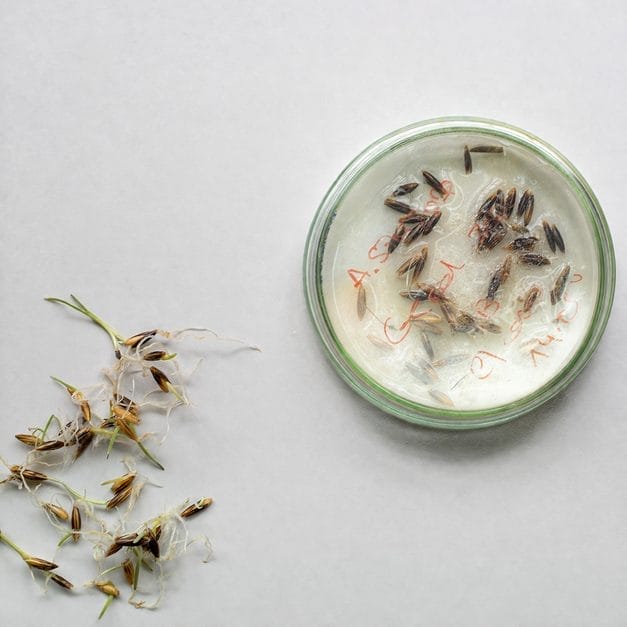
Uma nova tecnologia de revestimento biológico de sementes desenvolvida pelo InnovPlantProtect (InPP), em colaboração com a Fertiprado, poderá vir a transformar o desempenho de pastagens e forragens, contribuindo para sistemas agrícolas mais eficientes e sustentáveis.
Baseada em compostos derivados de algas, esta solução inovadora apresenta efeito bioestimulante e foi concebida para atuar desde as fases iniciais do desenvolvimento das plantas. Os ensaios realizados demonstraram resultados promissores ao nível da estimulação da nodulação em leguminosas, do crescimento vegetativo e da resistência das plantas a condições adversas, com impacto positivo no valor nutricional do pasto.
Este desenvolvimento resulta de um percurso de investigação conjunta que decorreu ao longo de cinco anos, refletindo o compromisso contínuo do InPP em transformar conhecimento científico em soluções com aplicação prática no setor agrícola. A tecnologia encontra-se atualmente em processo de patenteamento e representa um marco relevante no pipeline de inovação do laboratório.
Para a Fertiprado, parceiro estratégico neste projeto, esta tecnologia constitui uma alternativa aos revestimentos tradicionais baseados em compostos sintéticos, reforçando a aposta em soluções mais sustentáveis e alinhadas com as necessidades futuras da agricultura.
O desenvolvimento desta solução insere-se na Agenda Mobilizadora Pacto da Bioeconomia Azul, financiada pelo Plano de Recuperação e Resiliência (PRR), iniciativa que promove a valorização de recursos marinhos através da criação de novos produtos e tecnologias. Como parte do processo de valorização da tecnologia, foi assinado um memorando de entendimento com vista à sua futura exploração comercial.
Num contexto em que a procura por biosoluções agrícolas continua a crescer, iniciativas colaborativas como esta demonstram o papel fundamental da investigação aplicada na resposta aos desafios da sustentabilidade e da produtividade agrícola.
Investigação com impacto no setor agrícola
O trabalho desenvolvido pelo InPP evidencia o valor da colaboração entre ciência e indústria, permitindo acelerar processos de inovação e criar soluções ajustadas às necessidades reais do setor agrícola.
A parceria com empresas constitui um dos pilares estratégicos do InPP, promovendo a transferência de conhecimento científico e o desenvolvimento de tecnologias que contribuem para sistemas agrícolas mais resilientes e sustentáveis.
Elvas collaborative laboratory distinguished by Rural Life as “the most significant investment in the last year in the agricultural and agro-industrial sector”.
“Investment that makes a mark” 2021 is the name of the prize awarded today to InnovPlantProtect by Rural Life. The award, conferred by the editorial board of the professional agribusiness magazine, recognizes the most significant investment in the last year in the agricultural and agro-industrial sector at a national level.
The choice of the collaborative laboratory (CoLab), based in Elvas, “aims to reinforce the importance of investing in research and innovation in a key area for the future of agriculture: the search for biologically-based solutions for crop protection, in a challenging context, in which it is necessary to ensure the production of food in an increasingly sustainable way,” explains Isabel Martins, director of the company. Rural Life and publications coordinator at IFE.
One of the laboratories in the current, temporary premises.
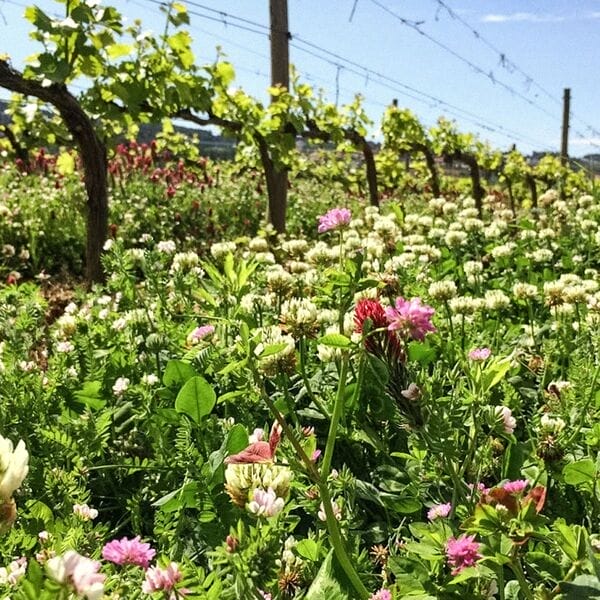
Field work on a property owned by Fertiprado.
This award “honors the initiative of the 12 founding partners to create an innovative institution to develop biological and digital solutions for crop protection,” says Pedro Fevereiro, the CoLab's executive director, adding: “It's an incentive for InnovPlantProtect, which set up in a low-density region and managed to attract 38 highly qualified human resources to set up a modern innovation unit. It also rewards the vision of the municipality of Elvas, which embraced this challenge from the outset.”
The “Investment that Makes a Mark” 2021 award was presented during the 8th edition of the AgroIn - Annual Agribusiness Congress, organized by Rural Life/ IFE, held in the auditorium of the Faculty of Dental Medicine of the University of Lisbon.
Pedro Fevereiro, executive director of InnovPlantProtect
The InPP team, like scientists around the world, concludes that new techniques can mitigate the challenges posed by climate change and the continuing increase in the world's population.
We know that in order to feed the world's population in 2050, we will have to increase food production by 70% [1]. And we also know that agriculture is under intense pressure to meet the sustainability goals of the European Green Deal and Farm to Fork Strategy, This is under pressure from climate change and the increase in pests and diseases attacking crops.
A team from InnovPlantProtect (InPP) reviewed hundreds of scientific articles published in recent years and concluded that “genome editing is an important tool for improving food security in a sustainable way and mitigating the challenges posed by global climate change and the expansion of the world's population”. The review article [2], entitled Genome editing for resistance against plant pests and pathogens, has just been published in Transgenic Research.
“The development of new tools to improve plant protection is critical in the context of current agricultural, environmental and ecological challenges,” say the researchers, adding that “various efforts in the area of genome editing have resulted in plants with potentially beneficial characteristics that can be quickly and easily applied in the field.”.
Crops are invariably exposed to pests and diseases (left). In order to speed up the plant breeding process, genome editing technologies such as CRISPR-Cas make it possible to introduce resistance mechanisms or remove susceptibility quickly and precisely (right).
The team analyzed the latest advances in genome editing with a view to improving plant protection, focusing on editing the genomes of crops, pests and pathogens based on the CRISPR-Cas technique (Nobel Prize in Chemistry in 2020). The researchers did not forget other technologies, such as host-induced gene silencing (HIGS) and the use of biocontrol agents, discussing how CRISPR-Cas can be used to accelerate the development of ecological strategies that promote sustainable agriculture in the future.
[HIGS consists of the plant producing small molecules of RNA (ribonucleic acid), which lead to the silencing of the pathogen's genes; silencing a gene means “canceling” its expression].
As genome editing does not require crossbreeding, the authors of the article point out, it avoids the introduction of unwanted characteristics through genetic linkage (a situation in which a gene with a positive characteristic is physically linked to a gene that confers negative characteristics) in improved varieties, speeding up the entire breeding process.
In addition, genome editing technologies can directly target the susceptibility genes or virulence factors of pests and pathogens, either by directly editing the genome of the pest in question, or by adding genome editing mechanisms to the plant genome, or to microorganisms that act as biocontrol agents.
Several studies have shown that the targeted inactivation of susceptibility genes through genome editing is a solid strategy for crop protection, capable of producing non-transgenic plants. The technique has been shown to be particularly effective in editing susceptibility genes to pathogenic bacteria and fungi.
“The potential impact of genome editing, and CRISPR technology in particular, on plant synthetic biology to improve resistance to pests and diseases is enormous and will have a direct effect on agricultural sustainability on a scale never seen before,” the team concludes.
Original article:
Rato, C., Carvalho, M.F., Azevedo, C. & Oblessuc, Paula. Genome editing for resistance against plant pests and pathogens. Transgenic Research (2021). https://doi.org/10.1007/s11248-021-00262-x
Elvas City Council promotes a visit to the works in progress at InnovPlantProtect and at the Elvense pole of the National Institute for Agrarian and Veterinary Research.
The work in progress at INIAV Elvas, including those that will accommodate the permanent facilities of the InnovPlantProtect (InPP), were visited yesterday, June 16, by a delegation that included the president of the Elvas City Council, Nuno Mocinha, the vice-president of the municipality, Cláudio Carapuça, as well as a number of council technicians, the presidents of parish councils in the municipality and representatives of the media.
InPP is an institution that wants to last for many, many years, not a “one-off project”, said the executive director of the collaborative laboratory (CoLab). Pedro February He also highlighted the fact that the research and innovation carried out here “leaves” the laboratory for the field, in the form of specific, biologically-based products and services supplied to companies, farmers and producers, among others.
Nuno Mocinha stressed the CoLab's great importance for agriculture and the region, particularly thanks to the establishment of highly qualified workers dedicated to science and technology applied in the field.
The visit took place as part of a tour promoted by the CME of some of the works underway in the municipality.



 Português
  English