Já está disponível a iCountPests, uma nova aplicação desenvolvida pelo InnovPlantProtect para apoiar a monitorização de pragas agrícolas através da análise automática de imagens captadas em campo.
A app utiliza inteligência artificial para contabilizar automaticamente pragas presentes em armadilhas adesivas, permitindo obter resultados rápidos e fiáveis diretamente no telemóvel.
Pensada para produtores e técnicos agrícolas, a iCountPests contribui para uma monitorização mais eficiente e precisa, reduzindo o tempo associado às contagens manuais e apoiando a tomada de decisão na proteção das culturas.
O funcionamento é simples:
Captar uma imagem da armadilha
Analisar automaticamente
Consultar resultados organizados e acessíveis
A app permite ainda acompanhar a evolução das pragas ao longo do tempo, facilitando a gestão e o registo da informação no terreno.
A monitorização de pragas é uma tarefa essencial na gestão agrícola, mas continua a depender, em muitos casos, de processos manuais demorados e sujeitos a erro.
A pensar nesta realidade, o InnovPlantProtect irá lançar brevemente a iCountPests, uma aplicação inovadora que utiliza inteligência artificial para automatizar a contagem de pragas a partir de imagens captadas no campo.
Com a iCountPests, será possível obter resultados rápidos e fiáveis, contribuindo para uma tomada de decisão mais informada e eficiente na proteção das culturas.
A aplicação estará brevemente disponível, sendo direcionada a produtores agrícolas e técnicos que procuram otimizar o tempo dedicado à monitorização e melhorar a precisão dos dados recolhidos.
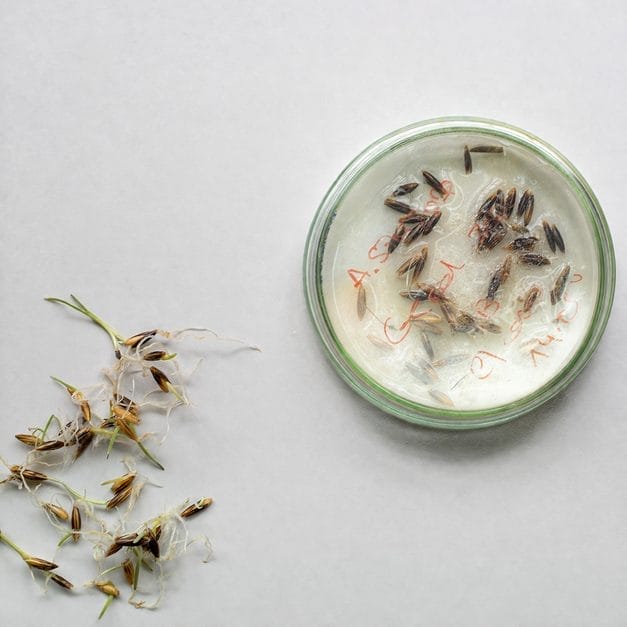
Uma nova tecnologia de revestimento biológico de sementes desenvolvida pelo InnovPlantProtect (InPP), em colaboração com a Fertiprado, poderá vir a transformar o desempenho de pastagens e forragens, contribuindo para sistemas agrícolas mais eficientes e sustentáveis.
Baseada em compostos derivados de algas, esta solução inovadora apresenta efeito bioestimulante e foi concebida para atuar desde as fases iniciais do desenvolvimento das plantas. Os ensaios realizados demonstraram resultados promissores ao nível da estimulação da nodulação em leguminosas, do crescimento vegetativo e da resistência das plantas a condições adversas, com impacto positivo no valor nutricional do pasto.
Este desenvolvimento resulta de um percurso de investigação conjunta que decorreu ao longo de cinco anos, refletindo o compromisso contínuo do InPP em transformar conhecimento científico em soluções com aplicação prática no setor agrícola. A tecnologia encontra-se atualmente em processo de patenteamento e representa um marco relevante no pipeline de inovação do laboratório.
Para a Fertiprado, parceiro estratégico neste projeto, esta tecnologia constitui uma alternativa aos revestimentos tradicionais baseados em compostos sintéticos, reforçando a aposta em soluções mais sustentáveis e alinhadas com as necessidades futuras da agricultura.
O desenvolvimento desta solução insere-se na Agenda Mobilizadora Pacto da Bioeconomia Azul, financiada pelo Plano de Recuperação e Resiliência (PRR), iniciativa que promove a valorização de recursos marinhos através da criação de novos produtos e tecnologias. Como parte do processo de valorização da tecnologia, foi assinado um memorando de entendimento com vista à sua futura exploração comercial.
Num contexto em que a procura por biosoluções agrícolas continua a crescer, iniciativas colaborativas como esta demonstram o papel fundamental da investigação aplicada na resposta aos desafios da sustentabilidade e da produtividade agrícola.
Investigação com impacto no setor agrícola
O trabalho desenvolvido pelo InPP evidencia o valor da colaboração entre ciência e indústria, permitindo acelerar processos de inovação e criar soluções ajustadas às necessidades reais do setor agrícola.
A parceria com empresas constitui um dos pilares estratégicos do InPP, promovendo a transferência de conhecimento científico e o desenvolvimento de tecnologias que contribuem para sistemas agrícolas mais resilientes e sustentáveis.
MASSA - Knowledge Centre for Sustainable Agricultural Modernization and Food Security is one of the priority CAIS of the South Campus and is based at the Elvas CoLAB.
InnovPlantProtect (InPP) is the headquarters of one of the three priority centers for applied knowledge and innovation of the recently created South Campus, This consortium brings together the University of Évora (UÉ), NOVA University Lisbon and the University of the Algarve. NOVA and UÉ are members of the collaborative laboratory (CoLAB).
The Centers of Applied Knowledge and Innovation for Sustainability (CAIS) focus on designing “innovative solutions in specific areas of sustainable development in the South, based on existing infrastructures,” explain the consortium's leaders. The specific objective of MASS CAISES - The Knowledge Centre for Sustainable Agricultural Modernization and Food Security, based at the InPP in Elvas, aims to “promote agriculture based on a sustainable model, aligned with the principles of the circular economy and the eco-economy (...), contributing to the development and cohesion of the territories of the Iberian South and Interior”.
Innovation applied to agricultural production, the valorization of endogenous natural resources, the promotion of the Mediterranean diet and the training of human resources in the area of sustainable agriculture are the main thematic lines of action. The strategic partners of this CAIS include local authorities, CCDRs (Algarve, Alentejo, Lisbon), the Institute of Agricultural and Veterinary Research (INIAV, also an InPP associate), Bayer Crop Science, Syngenta Crop Protection (both InPP associates), the Eugénio de Almeida Foundation, the Fraunhofer Institute and the Association of Young Farmers of Portugal (AJAP), as well as other academic partners at Iberian and international level.
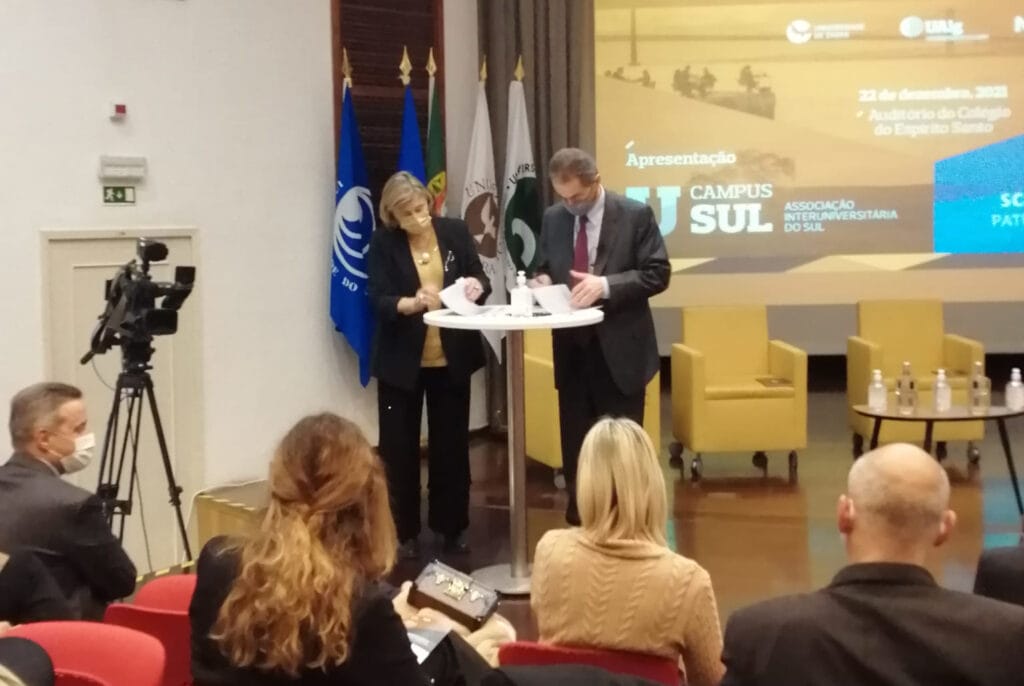
The South Campus - Interuniversity Association of the South was presented was publicly announced on December 22, 2021, in the Auditorium of the Colégio do Espírito Santo at the University of Évora. InPP's executive director was one of the speakers at the afternoon session (Science Day@South). Pedro Fevereiro spoke on the panel “Earth Research and Social Innovation”, with a presentation entitled “Innovative Bio-based Solutions for Crop Protection”.
Read more on the Innovation component of the South Campus and on the priority CAIS, including MASSA.
InnovPlantProtect (InPP) would like to wish the entire team, Associates and partners Happy Holidays by sharing the Christmas Tree set up by CoLAB's newly created sustainability team, InPP Greeners.
The maritime pine (Pinus pinaster) was purchased locally from the Elvas Volunteer Fire Brigade for a symbolic price, helping to raise funds for the organization, which collects the trees for the benefit of the Serra de São Mamede forest.
It is decorated with repurposed laboratory materials, including reused paper ribbons and recycled cardboard balls.
The Elvas Volunteer Fire Brigade is selling the pine trees at a symbolic price of €5 and €10. The maritime pine is widely used in Portugal as a Christmas tree. Plastic, paper and cardboard, among other materials, were reused in the decorations.
InnovPlantProtect is participating in three ideas that applied to the Recovery and Resilience Plan (PRR) measure “Mobilizing Agendas for Business Innovation - Proposals for the Economy of the Future”, which have been selected to move on to phase two of the process: InsectERA, the Blue Bioeconomy Pact and OesteFruta 4.0.
OesteFruta 4.0 is a mobilizing agenda for fruit growing in the West. The aim is to provide the region and the sector with tools that will enable them to face current and future challenges, with a focus on the Rocha pear and the Alcobaça apple. The consortium is led by Atlantic Portuguese Apple - Clube da Maçã and the idea, presented on Friday in Leixões by Armando Torres Paulo, corresponds to a total investment of €97 million.
The public session to present the Mobilizing Agendas took place on December 2nd and 3rd at the Port of Leixões Cruise Terminal. At the day 3 Daniel Murta, CEO of Ingredient Odyssey, and Tiago Pitta e Cunha, representing Inovamar, which is leading the Blue Bioeconomy Pact. This idea, which corresponds to a total investment of €220 million, aims to reindustrialize the blue bioeconomy by creating new economic models based on the use of marine bio-resources, as well as creating the first blue bioeconomy in the world. hub european blue bioeconomy.
The InsectERA agenda, which involves a total investment of €57 million, aims to apply circular economy concepts to the insect industry. The idea is to return by-products from the agro-industry, and some agricultural and urban waste, to the value chain in the form of nutritional solutions for people, animals and plants, as well as new industrial solutions, from cosmetics to bioplastics.
The information is public and can be consulted on the from IAPMEI.






 Português
  English