Já está disponível a iCountPests, uma nova aplicação desenvolvida pelo InnovPlantProtect para apoiar a monitorização de pragas agrícolas através da análise automática de imagens captadas em campo.
A app utiliza inteligência artificial para contabilizar automaticamente pragas presentes em armadilhas adesivas, permitindo obter resultados rápidos e fiáveis diretamente no telemóvel.
Pensada para produtores e técnicos agrícolas, a iCountPests contribui para uma monitorização mais eficiente e precisa, reduzindo o tempo associado às contagens manuais e apoiando a tomada de decisão na proteção das culturas.
O funcionamento é simples:
Captar uma imagem da armadilha
Analisar automaticamente
Consultar resultados organizados e acessíveis
A app permite ainda acompanhar a evolução das pragas ao longo do tempo, facilitando a gestão e o registo da informação no terreno.
A monitorização de pragas é uma tarefa essencial na gestão agrícola, mas continua a depender, em muitos casos, de processos manuais demorados e sujeitos a erro.
A pensar nesta realidade, o InnovPlantProtect irá lançar brevemente a iCountPests, uma aplicação inovadora que utiliza inteligência artificial para automatizar a contagem de pragas a partir de imagens captadas no campo.
Com a iCountPests, será possível obter resultados rápidos e fiáveis, contribuindo para uma tomada de decisão mais informada e eficiente na proteção das culturas.
A aplicação estará brevemente disponível, sendo direcionada a produtores agrícolas e técnicos que procuram otimizar o tempo dedicado à monitorização e melhorar a precisão dos dados recolhidos.
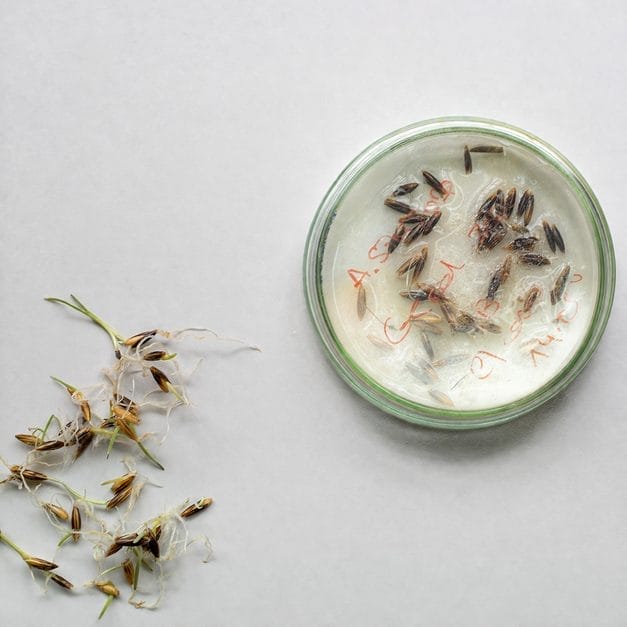
Uma nova tecnologia de revestimento biológico de sementes desenvolvida pelo InnovPlantProtect (InPP), em colaboração com a Fertiprado, poderá vir a transformar o desempenho de pastagens e forragens, contribuindo para sistemas agrícolas mais eficientes e sustentáveis.
Baseada em compostos derivados de algas, esta solução inovadora apresenta efeito bioestimulante e foi concebida para atuar desde as fases iniciais do desenvolvimento das plantas. Os ensaios realizados demonstraram resultados promissores ao nível da estimulação da nodulação em leguminosas, do crescimento vegetativo e da resistência das plantas a condições adversas, com impacto positivo no valor nutricional do pasto.
Este desenvolvimento resulta de um percurso de investigação conjunta que decorreu ao longo de cinco anos, refletindo o compromisso contínuo do InPP em transformar conhecimento científico em soluções com aplicação prática no setor agrícola. A tecnologia encontra-se atualmente em processo de patenteamento e representa um marco relevante no pipeline de inovação do laboratório.
Para a Fertiprado, parceiro estratégico neste projeto, esta tecnologia constitui uma alternativa aos revestimentos tradicionais baseados em compostos sintéticos, reforçando a aposta em soluções mais sustentáveis e alinhadas com as necessidades futuras da agricultura.
O desenvolvimento desta solução insere-se na Agenda Mobilizadora Pacto da Bioeconomia Azul, financiada pelo Plano de Recuperação e Resiliência (PRR), iniciativa que promove a valorização de recursos marinhos através da criação de novos produtos e tecnologias. Como parte do processo de valorização da tecnologia, foi assinado um memorando de entendimento com vista à sua futura exploração comercial.
Num contexto em que a procura por biosoluções agrícolas continua a crescer, iniciativas colaborativas como esta demonstram o papel fundamental da investigação aplicada na resposta aos desafios da sustentabilidade e da produtividade agrícola.
Investigação com impacto no setor agrícola
O trabalho desenvolvido pelo InPP evidencia o valor da colaboração entre ciência e indústria, permitindo acelerar processos de inovação e criar soluções ajustadas às necessidades reais do setor agrícola.
A parceria com empresas constitui um dos pilares estratégicos do InPP, promovendo a transferência de conhecimento científico e o desenvolvimento de tecnologias que contribuem para sistemas agrícolas mais resilientes e sustentáveis.
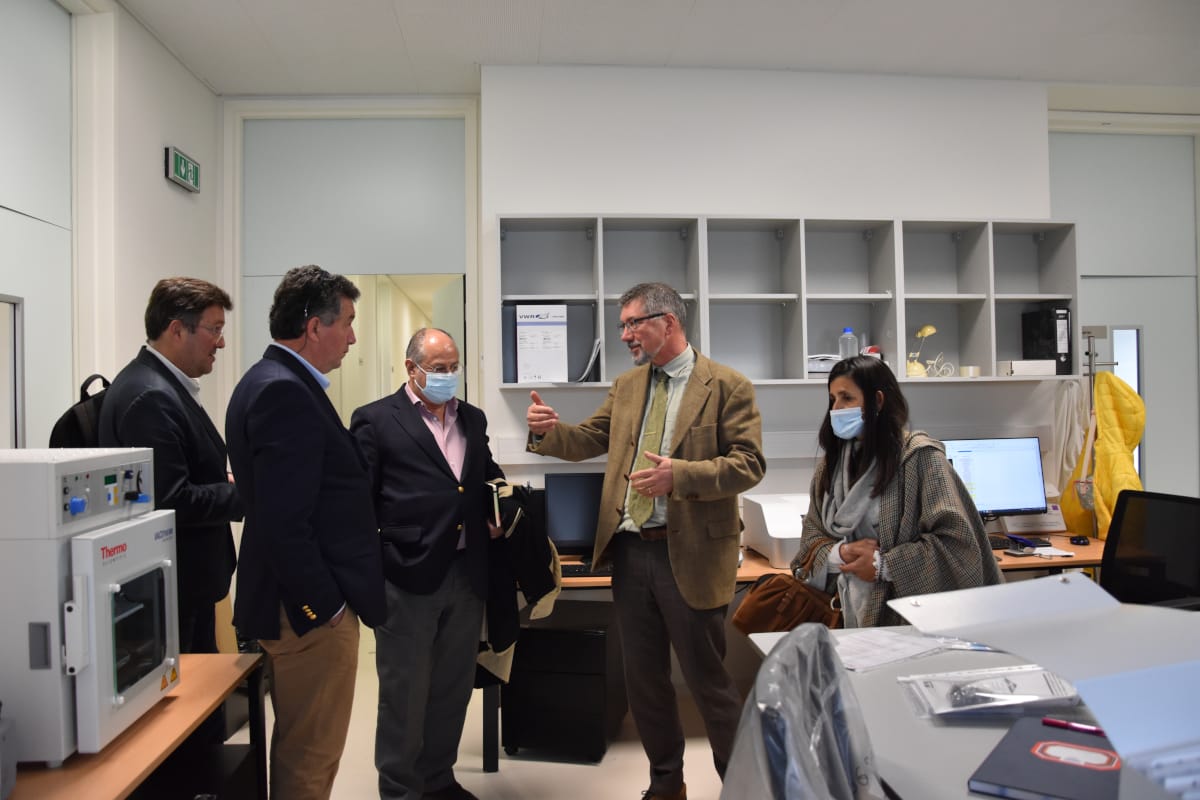
Today, April 5, InnovPlantProtect (InPP) members had the opportunity to visit the new facilities of the collaborative laboratory (CoLAB), at the Elvas Campus of the INIAV, The 39-strong team is already at work, although some laboratory equipment is still being assembled.
The visit was attended by Isabel Rocha, vice-rector of the NOVA University Lisbon, José Pereira Palha, president of the National Association of Protein, Oilseed and Cereal Producers (Anpoc), José Rato Nunes, representing the Polytechnic Institute of Portalegre, Pedro Monteiro, president of Casa do Arroz, Tiago Pinto, secretary-general of the National Association of Maize and Sorghum Producers (Anpromis), José Maria Rasquilha, vice-president of Anpoc and president of Cersul, Pedro Viterbo, manager of Fertiprado, Domingos dos Santos, president of the National Federation of Fruit and Vegetable Producers' Organizations (Fnop), Felisbela Torres de Campos, Director of Corporate Regulation and Sustainability for Portugal at Syngenta Crop Protection, Maria do Rosário Félix, representing the University of Évora, Margarida Oliveira, deputy director of the ITQB NOVA and coordinator of the InPP working group, and Benvindo Maçãs, director of INIAV's Elvas Center, who were accompanied by CoLAB's executive director, Pedro Fevereiro.
As well as the new laboratories, it was possible to visit INIAV's newly renovated auditorium and cafeteria, which also serve InPP. Below, center, the director of the Formulations and Process Development department, David Learmonth, and researcher Sónia Siquenique while determining the viscosity of formulations with a viscometer; on the right, the director of the New Biopesticides department, Cristina Azevedo, and researchers Miguel Carvalho and Jordana Branco, in a meeting.
InnovPlantProtect (InPP) will be present at the 38th Ovibeja, The event will take place from April 21 to 25, with its own stand and a program of activities to be announced in due course. On Saturday, April 23rd, at 3pm, the InPP is organizing a colloquium on the theme “Protecting crops to feed the world: from soil microorganisms to pest and disease monitoring techniques”.
The executive director of the InPP is taking part in this conference, Pedro February, who will present CoLAB, iLaria Marengo, director of the Monitoring and Diagnostics department, who will talk about remote sensing applied to crop protection, and Ricardo Ramiro, director of the Data Management and Risk Analysis department, who will address the topic of the soil microbiome.
Pedro Fevereiro is also taking part in the seminar ACOS - The Southern Farmers“ Association is organizing a conference on ”How to feed the planet?“, the theme of Ovibeja 2022, on the 23rd at 11.30 a.m., and the colloquium ”The European green agenda. Sustainability of agriculture and food sovereignty", which takes place on Friday, April 22, at 4pm. The event takes place at the Manuel de Castro e Brito Fair and Exhibition Park in Beja.
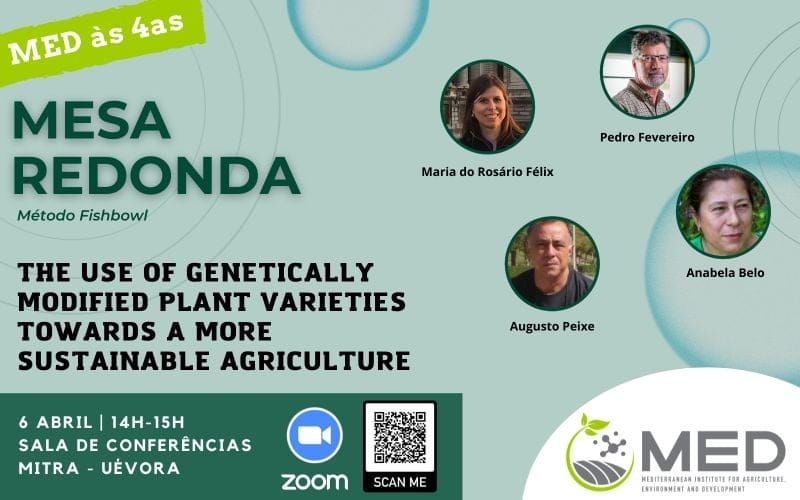
The executive director of InnovPlantProtect, Pedro Fevereiro, will take part in the next “MED às 4as” (MED on Wednesdays), on April 6, a round table organized by the MED - Mediterranean Institute for Agriculture, Environment and Development, on “The use of genetically modified plants for more sustainable agriculture”.
The session will take place in person in the Conference Room of the Mitra Campus. University of Évora, between 2 p.m. and 3 p.m., but it is also possible to attend via Zoom.
The use of genetically modified varieties is a possible solution for achieving the strategic objectives of the European Green Deal, as part of the “From Plate to Plate” and Biodiversity Strategy for 2030. However, it is still limited and remains under European legislation that does not take into account the new genomic techniques (NTG). The development of specific legislation allowing the development and use of plants subject to these NTGs would be particularly timely for meeting the objectives of the European Green Deal, say the organizers.
Find out more and meet the panel of speakers here.





 Português
  English