Já está disponível a iCountPests, uma nova aplicação desenvolvida pelo InnovPlantProtect para apoiar a monitorização de pragas agrícolas através da análise automática de imagens captadas em campo.
A app utiliza inteligência artificial para contabilizar automaticamente pragas presentes em armadilhas adesivas, permitindo obter resultados rápidos e fiáveis diretamente no telemóvel.
Pensada para produtores e técnicos agrícolas, a iCountPests contribui para uma monitorização mais eficiente e precisa, reduzindo o tempo associado às contagens manuais e apoiando a tomada de decisão na proteção das culturas.
O funcionamento é simples:
Captar uma imagem da armadilha
Analisar automaticamente
Consultar resultados organizados e acessíveis
A app permite ainda acompanhar a evolução das pragas ao longo do tempo, facilitando a gestão e o registo da informação no terreno.
A monitorização de pragas é uma tarefa essencial na gestão agrícola, mas continua a depender, em muitos casos, de processos manuais demorados e sujeitos a erro.
A pensar nesta realidade, o InnovPlantProtect irá lançar brevemente a iCountPests, uma aplicação inovadora que utiliza inteligência artificial para automatizar a contagem de pragas a partir de imagens captadas no campo.
Com a iCountPests, será possível obter resultados rápidos e fiáveis, contribuindo para uma tomada de decisão mais informada e eficiente na proteção das culturas.
A aplicação estará brevemente disponível, sendo direcionada a produtores agrícolas e técnicos que procuram otimizar o tempo dedicado à monitorização e melhorar a precisão dos dados recolhidos.
Uma nova tecnologia de revestimento biológico de sementes desenvolvida pelo InnovPlantProtect (InPP), em colaboração com a Fertiprado, poderá vir a transformar o desempenho de pastagens e forragens, contribuindo para sistemas agrícolas mais eficientes e sustentáveis.
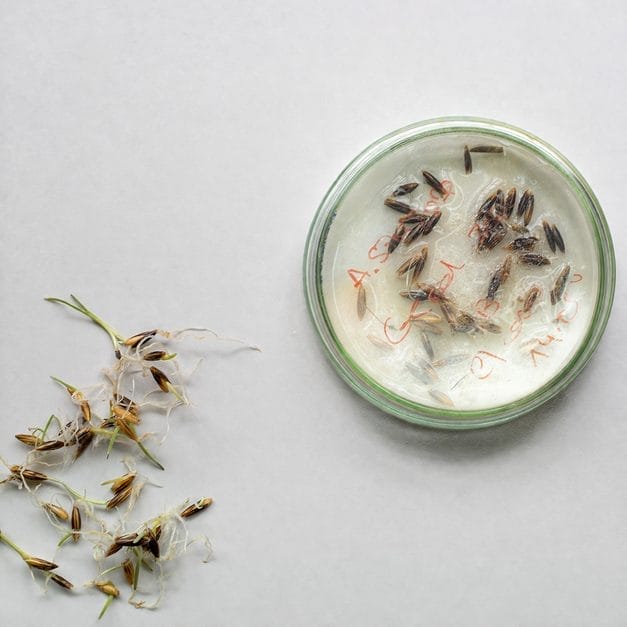
Baseada em compostos derivados de algas, esta solução inovadora apresenta efeito bioestimulante e foi concebida para atuar desde as fases iniciais do desenvolvimento das plantas. Os ensaios realizados demonstraram resultados promissores ao nível da estimulação da nodulação em leguminosas, do crescimento vegetativo e da resistência das plantas a condições adversas, com impacto positivo no valor nutricional do pasto.
Este desenvolvimento resulta de um percurso de investigação conjunta que decorreu ao longo de cinco anos, refletindo o compromisso contínuo do InPP em transformar conhecimento científico em soluções com aplicação prática no setor agrícola. A tecnologia encontra-se atualmente em processo de patenteamento e representa um marco relevante no pipeline de inovação do laboratório.
Para a Fertiprado, parceiro estratégico neste projeto, esta tecnologia constitui uma alternativa aos revestimentos tradicionais baseados em compostos sintéticos, reforçando a aposta em soluções mais sustentáveis e alinhadas com as necessidades futuras da agricultura.
O desenvolvimento desta solução insere-se na Agenda Mobilizadora Pacto da Bioeconomia Azul, financiada pelo Plano de Recuperação e Resiliência (PRR), iniciativa que promove a valorização de recursos marinhos através da criação de novos produtos e tecnologias. Como parte do processo de valorização da tecnologia, foi assinado um memorando de entendimento com vista à sua futura exploração comercial.
Num contexto em que a procura por biosoluções agrícolas continua a crescer, iniciativas colaborativas como esta demonstram o papel fundamental da investigação aplicada na resposta aos desafios da sustentabilidade e da produtividade agrícola.
Investigação com impacto no setor agrícola
O trabalho desenvolvido pelo InPP evidencia o valor da colaboração entre ciência e indústria, permitindo acelerar processos de inovação e criar soluções ajustadas às necessidades reais do setor agrícola.
A parceria com empresas constitui um dos pilares estratégicos do InPP, promovendo a transferência de conhecimento científico e o desenvolvimento de tecnologias que contribuem para sistemas agrícolas mais resilientes e sustentáveis.
InnovPlantProtect InPP, represented by the directors of the New Biopesticides and Specific Crop Protection departments, Cristina Azevedo and Sandra Correia, took part in the kick-off meeting for the VINNY project, which took place on July 25 and 26 in Porto.
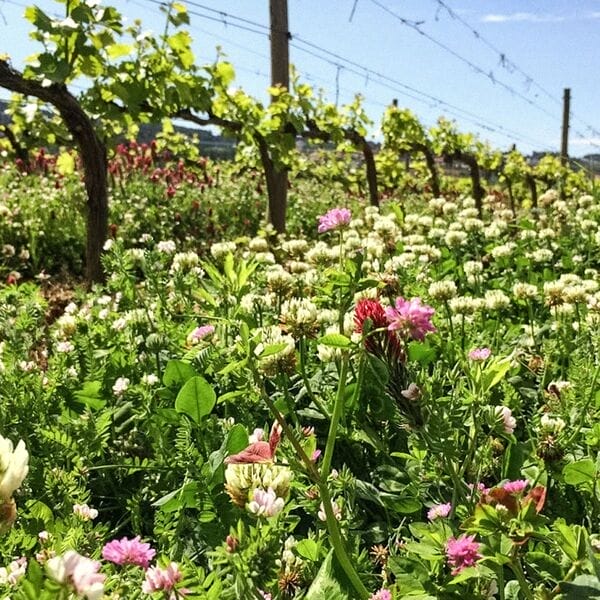
The main objective of the VINNY consortium is to develop and implement sustainable solutions for viticulture, creating environmentally friendly biopesticides and biofertilizers, thus reducing dependence on harmful agrochemicals and promoting a healthier environment.
The purpose of the meeting was to present the main objectives and innovative solutions to be developed by the 19 partners from 10 countries that make up the consortium!
After the meeting there was still time to explore the Douro Valley Wine Region. On the second day, our directors had the opportunity to take a fantastic boat trip from Peso da Régua to Pinhão, a UNESCO World Heritage region and producer of the famous “Port Wine”.
Finally, the project partners visited the experimental field at Quinta do Pôpa and enjoyed a wine tasting.
Join us and stay updated on the progress of the VINNY Project!
InnovPlantProtect (InPP) was present at the meeting with the Parliamentary Committee on Agriculture and Fisheries that took place last Monday, July 22, at the BejaParque Hotel in Beja.
The aim of the meeting, which included MPs from the PSD, PS, Chega and PCP constituencies, was to listen to the players in the field, such as local authorities, associations, companies and other entities in the agricultural sector, to get to know the reality of agriculture and livestock farming in this region up close, and to find out about the successes, potential and constraints in the area.
Representing associations and companies in the agricultural sector were the Associação dos Regantes, Associação dos Criadores do Porco Alentejano, Associação de Agricultores do Campo Branco, Associação dos Jovens Agricultores de Moura, Cooperativa Agrícola de Moura e Barrancos, João Portugal Ramos, Lusomorango, Olivum, Pepe Aromas Lda, Portugal Nuts, Cooperativa Agrícola de Beja e Brinches and Associação de Agricultores do Sul (ACOS) and Almiberia Lda.
Problems related to the use of water resources in Alqueva and the revitalization of the Alentejo cork oak forest were some of the concerns presented by the sector to the Assembly of the Republic's Agriculture Committee, which visited the Baixo Alentejo district.
The meeting took place as part of a working visit to the Alentejo region from July 21 to 23.
Last Friday, July 19th, InnovPlantProtect (InPP) received a visit from the Minister of Education, Science and Innovation, Fernando Alexandre.
The minister came to Elvas to see the collaborative laboratory (CoLAB), where he was received by the executive director of InPP, Pedro Fevereiro, and the director of the Elvas branch of the National Institute for Agricultural and Veterinary Research, I.P. (INIAV, I.P.), Benvindo Maçãs. The visit was also attended by the president of the Portalegre Polytechnic Institute (IPP), Luís Loures, and the director of the Escola Superior Agrária de Santarém (ESAS), Margarida Oliveira.
The purpose of the visit was to get to know CoLAB's facilities and technological equipment and to find out a little more about its work and the different areas of activity being explored by the five departments.
Speaking to Rádio Elvas, Fernando Alexandre said that “in Elvas, there is an excellent example in InnovPlantProtect, which attracts national and foreign PhDs, who are research staff that are key to development”.
Also accompanying the visit were department directors Cristina Azevedo, Ilaria Marengo and David Learmonth, and Manisha Sirsat, an InPP researcher, who was representing Ricardo Ramiro.
We can only thank the minister for his visit.
Image credits: InnovPlantProtect - Hadi Sheikhnejad



 Português
  English