News & Events

white plant

NEWS

AlViGen project strengthens genomic surveillance of agricultural diseases in Alentejo

The final workshop highlighted three years of research dedicated to the early detection of pathogens in crops such as wheat and olive groves.

The project AlViGen has reached its final stretch, concluding three years of research focused on the genomic surveillance of agricultural diseases. The results now presented promise to strengthen the Alentejo agricultural sector's ability to respond to emerging phytosanitary threats.

On the day October 23rd, The final project workshop, The event brought together researchers, producers and technicians to share results and reflect on the future of genomic surveillance in Portuguese agriculture.

A pioneering genomic surveillance center

During AlViGen, the Alentejo's first genomic surveillance center, an infrastructure with capacity for early detection of diseases in strategic crops such as wheat and olive grove. This breakthrough marks a decisive step towards a more precise, sustainable and science-based agriculture.

Results and scientific contributions

Using innovative molecular tools, the project team succeeded:

  • Identify pathogenic fungi before visible symptoms appear on the plants;
  • Characterizing yellow rust strains, genetically linking them to others known at a global level;
  • Detecting resistance genes in wheat to the strains currently present in Portugal;
  • Developing diagnostic methods able to distinguish the different species of the fungus that causes gafa in olive groves.

During the workshop, the potential of the analysis of the airborne fungi community as a tool for early warning for multiple pathogens, allowing for more effective and preventive management of crop diseases.

From research to practical application

The event ended with a debate on how transform AlViGen results in a detection and warning service accessible to the agricultural sector. The initiative reflects the joint commitment between science, innovation and production, with a view to protecting national agriculture from the challenges of the future.

Partnerships and thanks

InnovPlantProtect would like to thank all the partners and funders of the project:
University of Évora, John Innes Centre, INIAV, De Prado, CERSUL, Eugénio de Almeida Foundation, Torre das Figueiras Estate, Almojanda, Malheiro Estate, Directorate-General for Food and Veterinary (DGAV), la Caixa“ Foundation”, BPI Bank e Foundation for Science and Technology (FCT).

Image credits: InnovPlantProtect - Inês Ferreira

InPP was in Italy for the kick-off meeting of the European PROSPER project

InPP took part in the kick-off meeting for the European PROSPER project, held on October 2 and 3 in Pavia, Italy. In attendance were the director of the Monitoring and Diagnostics Department, Ilaria Marengo, and the project manager, Bruno Orrico.

PROSPER's main objective is to transform European agriculture by valorizing highly resilient “orphan” legumes - forgotten crops, but full of potential to face the climate and food challenges of the future.

The project promotes sustainable, innovative practices adapted to different agricultural realities.

Over the two days, 27 partners from 13 countries met for presentations, in-depth discussions and strategic talks about the project's next steps.

We are excited about what comes next, certain that this journey will be more than a collaboration - it will be a true cooperation within an exceptional team.

Join us and keep up to date with all the news from the PROSPER Project!

InPP is part of the BioLivingLABS project, dedicated to the sustainability of inland territories

InnovPlantProtect (InPP) was present at the project launch meeting BioLivingLABS - Bioeconomia ao Serviço da Sustentabilidade dos Territórios do Interior (Bioeconomy at the Service of the Sustainability of Inland Territories), which took place on October 1st at the School of Agriculture of the Polytechnic Institute of Castelo Branco (IPCB).

Funded by COMPETE 2023, the BioLivingLABS project, led by MORE CoLAB - Laboratório Colaborativo Montanhas de Investigação, in partnership with the InPP, the IPCB, from AQUAVALOR and the Polytechnic Institute of Bragança (IPB).

This project's mission is to add value to the low-density territories in the north, center and south of the country by demonstrating and economically boosting the work carried out by the partners - through the creation, demonstration and application of products, processes and services resulting from joint research.

Four living laboratories will be created (Living Labs) in the innovation hubs of Mirandela, Douro, Covilhã and Elvas, which they intend to promote:

  • the transfer of knowledge;
  • technology demonstration;
  • strategic roadmapping and
  • the protection of intellectual property.

BioLivingLABS strengthens the link between academia, business and society, driving innovation and sustainability.

Expected impact:
Over the course of 24 months, and with Living Labs dedicated to sectors such as olive groves and olive oil, vineyards and wine, fruit and cereals, legumes, among others, the project will contribute to:

  • increase regional competitiveness;
  • promote sustainable practices and
  • responding to the environmental, social and economic challenges facing inland territories.

More news about this new project soon.

EVENTS

InPP participates in the International Horticulture Congress

Sandra Correia, director of the department, took part in the International Horticultural Congress, the world's largest scientific forum for horticultural sciences.

The 31st edition of the International Horticultural Congress (IHC 2022), organized by the International Society of Horticultural Sciences (International Society for Horticultural Science - ISHS), took place between September 14 and 20 in Angers, France.

The InPP was represented by the director of the Specific Crops Protection department, Sandra Correia, who was an organizer at the Symposium 4 entitled “In vitro technology and micropropagated plants”, The event took place on August 15th and 16th.

Sandra Correia, as well as Stefaan Werbrouck (right), the other organizer of Symposium 4, receive an award for their work in organizing the symposia, recognized by the International Society of Horticultural Sciences.

The Congress brings together international scientists, academics, students and industry to present and discuss the latest and most relevant advances in the scientific field of Plant Biotechnology, share experiences and knowledge and network.

Find out more at event page.

InnovPlantProtect on RTP 1“s ”Portugal em Direto" program

On August 3, 2022, InnovPlantProtect (InPP) was featured on RTP 1“s nationwide television program, ”Portugal em Direto".

RTP 1 broadcast a special report by journalist Teresa Marques, in which she revealed the solution our team has developed to inhibit the growth of the bacteria Erwinia amylovora which causes fire blight, a disease that affects rock pear and apple orchards in Portugal and has compromised the production of these crops.

“Due to climate change, the levels of infection [by Erwinia amylovora] are getting bigger every year and, as soon as you have a crop with fire blight, you have to cut down the apple or pear tree, and this has very serious consequences for farmers, because there are reductions of 40 to 60% in production,” he explains Cristina Azevedo, Director of the New Biopesticides of the InPP.

The work carried out by our researchers and their strong commitment have produced promising results, as shown in this report and in the statements made by Cristina Azevedo, Margarida Basaloco e João Carréu, InPP researchers.

For Pedro Fevereiro, InPP's executive director, “these new products are more sustainable and make it possible to protect crops from new pests and diseases that are appearing due to climate change” and the aim is for the various partners that make up CoLAB (companies, research institutes, state laboratories, municipalities and producers“ associations) ”to collaborate to develop products that can be taken to a level that can then be put on the market with the help of companies".

In this report you will learn more about the first provisional patent application submitted by the InPP team, on July 21, 2022.

The report is available at RTP Play, from minute 22:53.

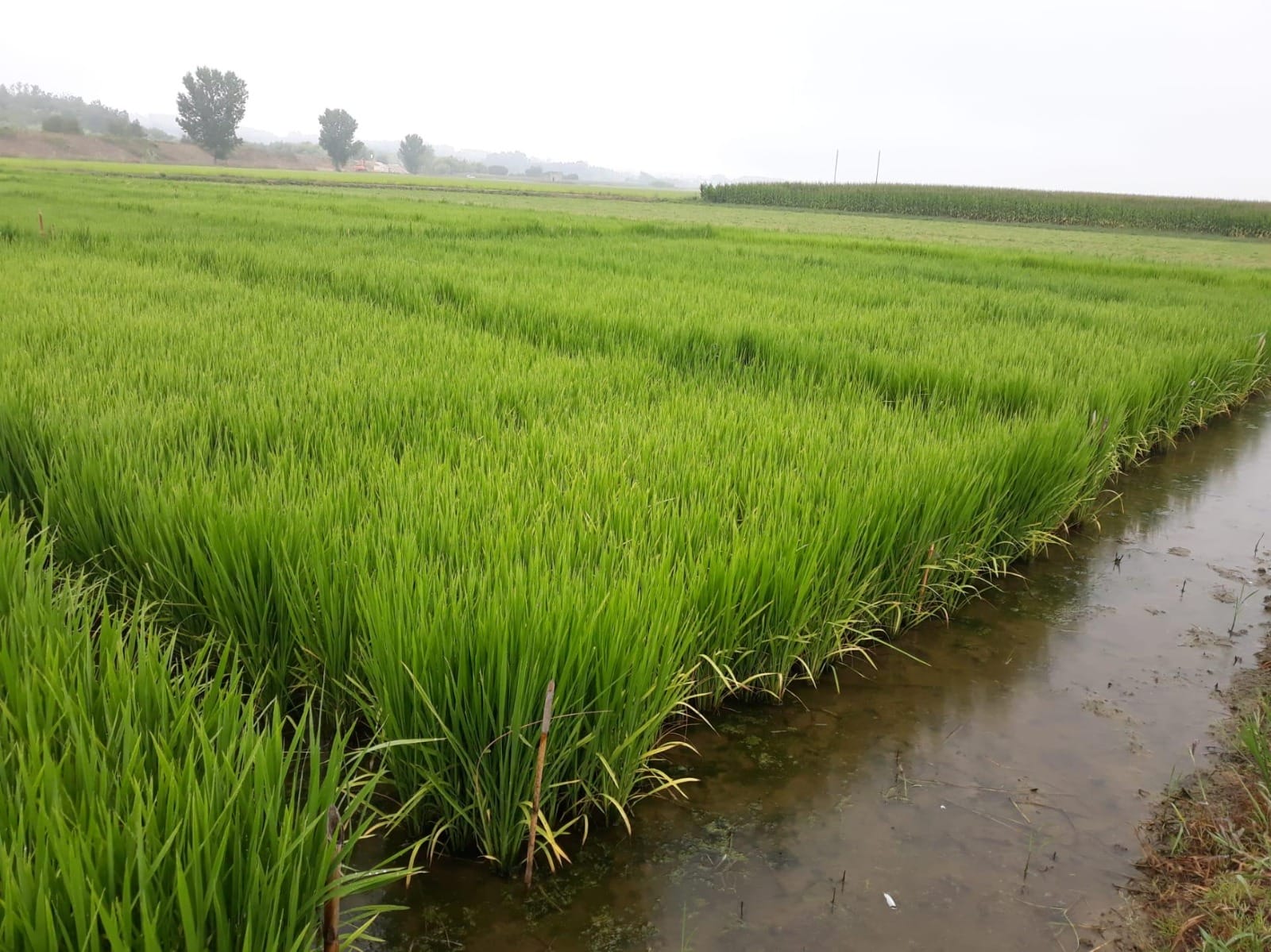
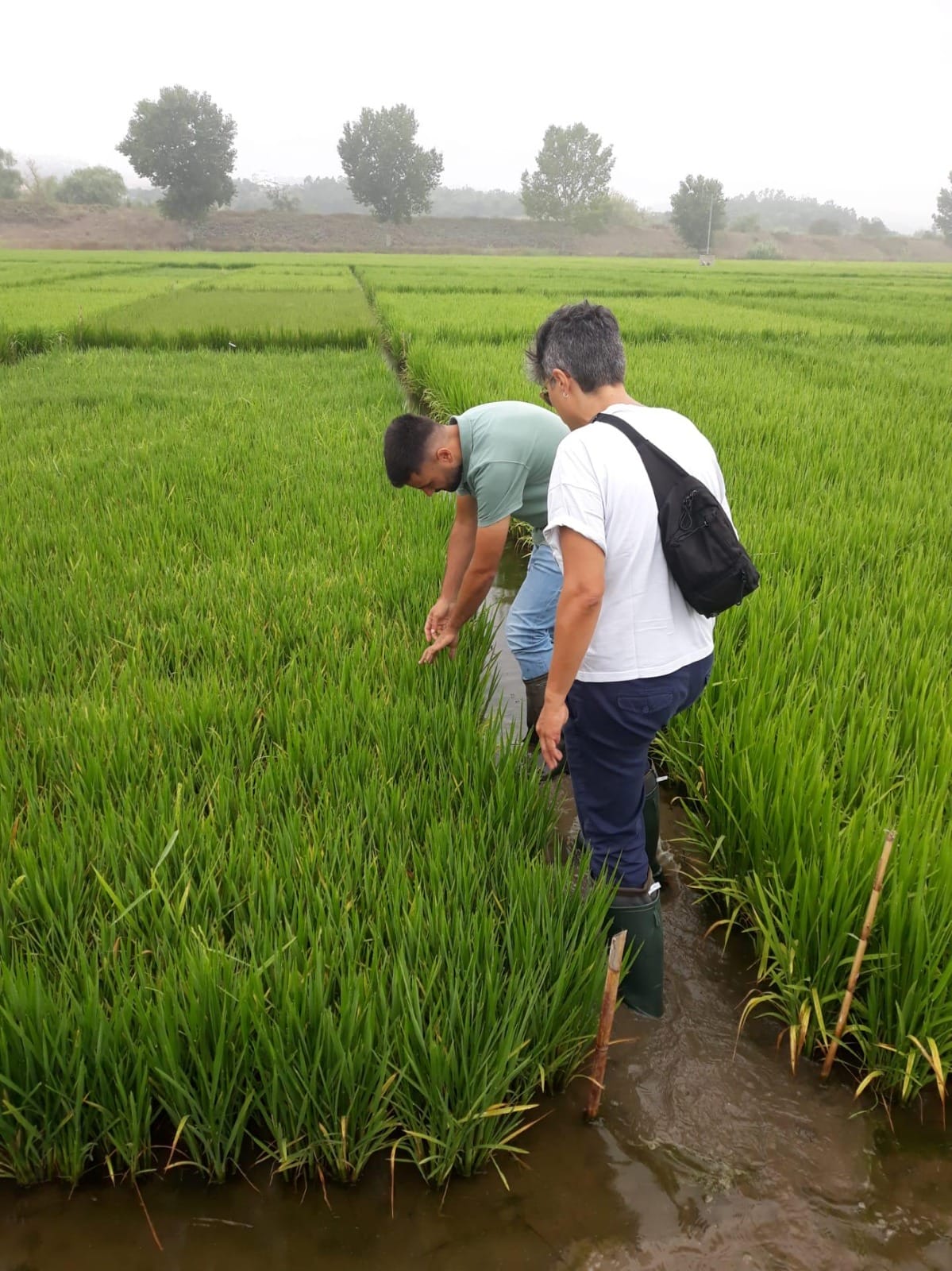
InPP team collects samples of infected rice in Mondego to learn more about the fungus that attacks it

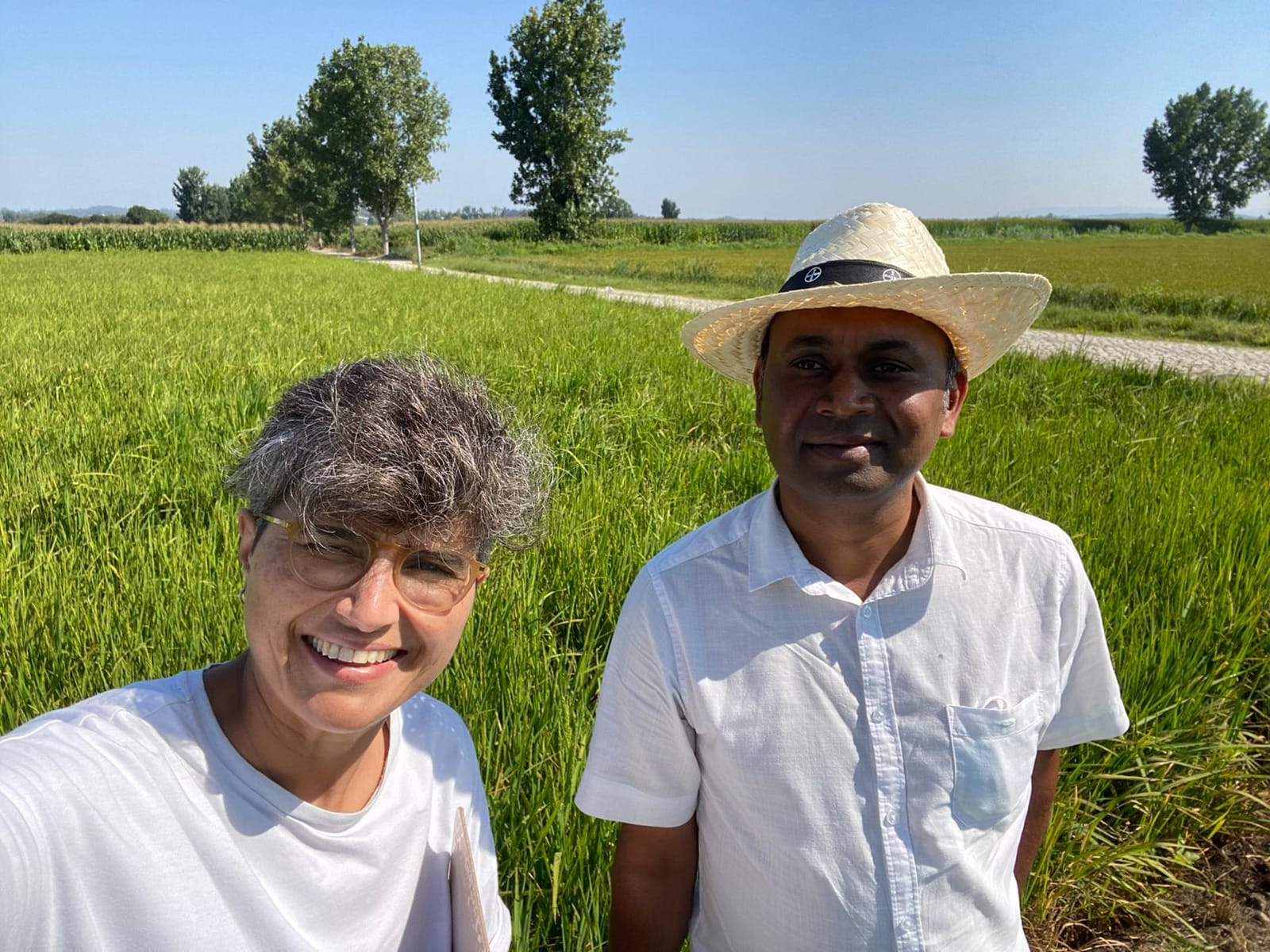
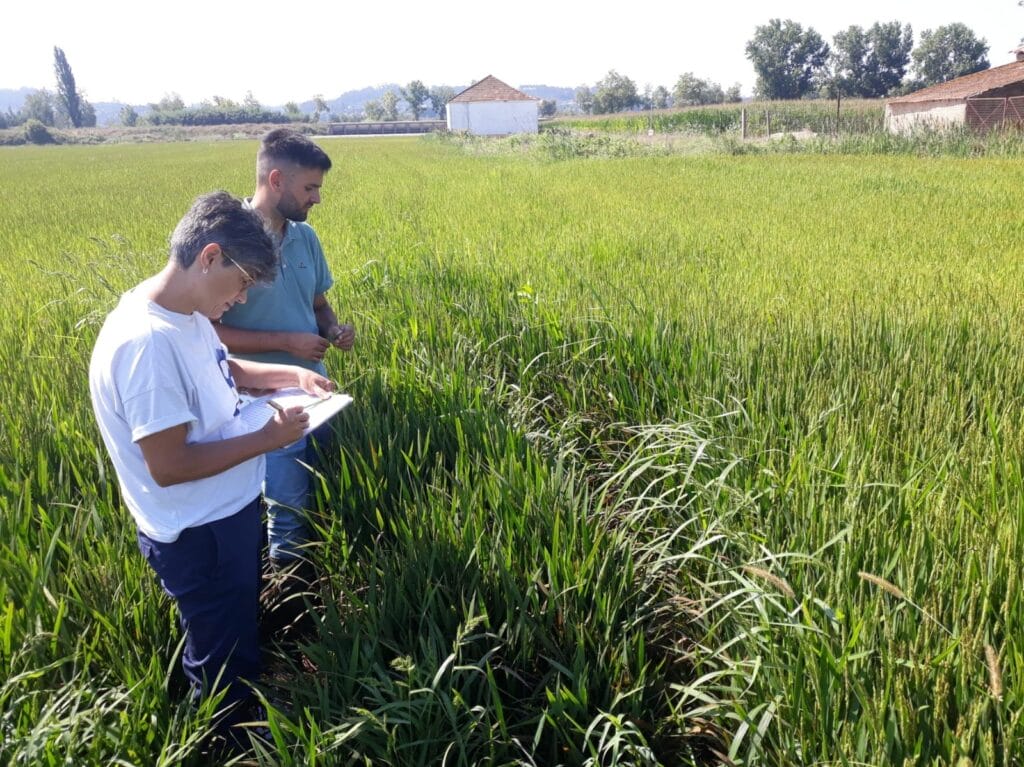
On August 1st, researchers from InnovPlantProtect (InPP).., Cristina Azevedo e Rupesh Singh, traveled to the Mondego area, in Montemor-o-Velho, to collect samples of rice infected with the fungus Magnaporthe oryzae, This is the cause of pyriculariosis, one of the most common diseases of this cereal all over the world and also in Portugal. The crops were harvested as part of the BlaSTOP project - Developing integrated solutions to combat rice pyriculariosis.

The InPP team, which has been working on the development of biopesticides against rice pyriculariosis, will now analyze the collected rice samples in the laboratory, with the aim of isolating and genetically characterizing the isolates (the cultures of microorganisms) currently present in the Mondego basin, in order to know the current genetic diversity of Magnaporthe oryzae in Portugal.

In the future, these collections will allow researchers to carry out a genetic analysis that compares the cultures of microorganisms from Magnaporthe oryzae currently present in this area of the Mondego and those isolated in the 1990s by the team from the INIAV in the national rice breeding program, in order to study the evolution of virulence, i.e. the degree or capacity of this fungus to cause the disease.

The fieldwork was carried out with the collaboration of António Jordão, a technician from Regional Directorate of Agriculture and Fisheries of the Center (DRAP Centro), and Danny Carvalheiro, a Master's student at the Higher Institute of Agronomy (ISA).

The BlaSTOP project aims to develop a sustainable and effective solution for controlling rice pyriculariosis caused by this fungus. The project has the support of COTArroz - Operational and Technological Center for Rice and Casa do Arroz, in the Tagus basin, and the Aparroz - Agrupamento de Produtores de Arroz do Vale do Sado Lda, in the Sado basin, where the team hopes to collect in the near future.

Sampling in the Mondego area, in Montemor-o-Velho