News & Events

white plant

NEWS

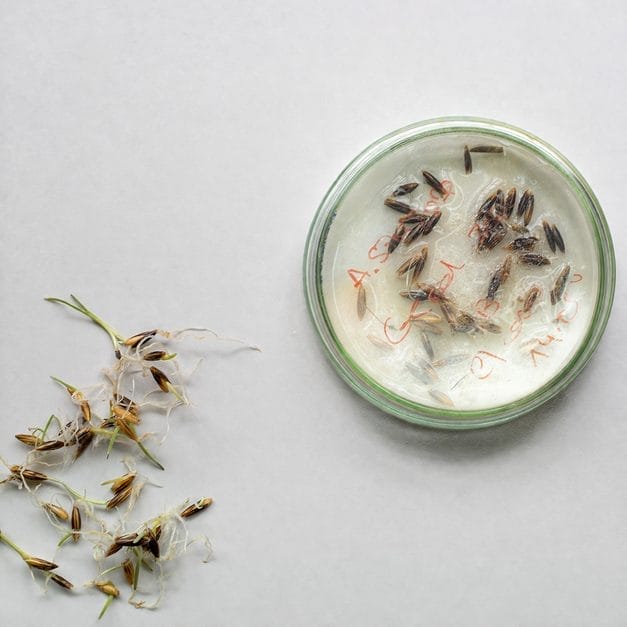
Uma nova tecnologia de revestimento biológico de sementes desenvolvida pelo InnovPlantProtect (InPP), em colaboração com a Fertiprado, poderá vir a transformar o desempenho de pastagens e forragens, contribuindo para sistemas agrícolas mais eficientes e sustentáveis.

Baseada em compostos derivados de algas, esta solução inovadora apresenta efeito bioestimulante e foi concebida para atuar desde as fases iniciais do desenvolvimento das plantas. Os ensaios realizados demonstraram resultados promissores ao nível da estimulação da nodulação em leguminosas, do crescimento vegetativo e da resistência das plantas a condições adversas, com impacto positivo no valor nutricional do pasto.

Este desenvolvimento resulta de um percurso de investigação conjunta que decorreu ao longo de cinco anos, refletindo o compromisso contínuo do InPP em transformar conhecimento científico em soluções com aplicação prática no setor agrícola. A tecnologia encontra-se atualmente em processo de patenteamento e representa um marco relevante no pipeline de inovação do laboratório.

Para a Fertiprado, parceiro estratégico neste projeto, esta tecnologia constitui uma alternativa aos revestimentos tradicionais baseados em compostos sintéticos, reforçando a aposta em soluções mais sustentáveis e alinhadas com as necessidades futuras da agricultura.

O desenvolvimento desta solução insere-se na Agenda Mobilizadora Pacto da Bioeconomia Azul, financiada pelo Plano de Recuperação e Resiliência (PRR), iniciativa que promove a valorização de recursos marinhos através da criação de novos produtos e tecnologias. Como parte do processo de valorização da tecnologia, foi assinado um memorando de entendimento com vista à sua futura exploração comercial.

Num contexto em que a procura por biosoluções agrícolas continua a crescer, iniciativas colaborativas como esta demonstram o papel fundamental da investigação aplicada na resposta aos desafios da sustentabilidade e da produtividade agrícola.

Investigação com impacto no setor agrícola

O trabalho desenvolvido pelo InPP evidencia o valor da colaboração entre ciência e indústria, permitindo acelerar processos de inovação e criar soluções ajustadas às necessidades reais do setor agrícola.

A parceria com empresas constitui um dos pilares estratégicos do InPP, promovendo a transferência de conhecimento científico e o desenvolvimento de tecnologias que contribuem para sistemas agrícolas mais resilientes e sustentáveis.
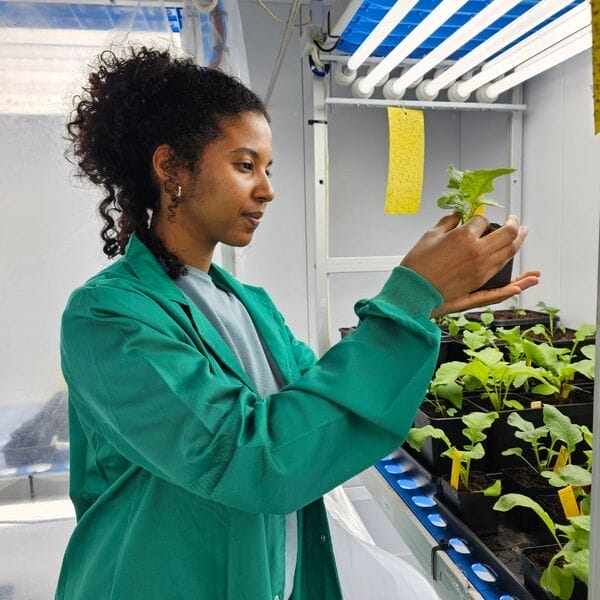
O InPP participou no Fórum Nacional de Clubes Ciência Viva na Escola, que teve lugar no dia 27 de março, integrando a Mostra de Ciência e Tecnologia com um stand dedicado à proteção das plantas.

Neste espaço, foram apresentados diversos materiais demonstrativos, incluindo placas de Petri com fungos e bactérias, plantas, algas e exemplos de produtos formulados, com o objetivo de despertar o interesse e a curiosidade dos visitantes para a importância da saúde das plantas e da investigação científica nesta área.

Ao longo do dia, a Gestora de Comunicação, Inês Ferreira, e o Gestor de Inovação, Paulo Madeira, dinamizaram o contacto com o público visitante, explicando de que forma a investigação em proteção das plantas contribui para melhorar a proteção das culturas e promover uma agricultura mais resiliente e sustentável.

O Fórum Nacional de Clubes Ciência Viva na Escola decorreu no CNEMA, em Santarém, reunindo escolas, centros Ciência Viva, universidades, centros de investigação e diversas outras entidades, num encontro dedicado à ciência, tecnologia e inovação.

O InPP agradece a todos os visitantes que passaram pelo seu stand, destacando a importância destes momentos de partilha para promover o conhecimento científico junto da comunidade.

No dia 26 de março, o InPP participou numa sessão promovida pela Agência Nacional de Inovação (ANI), em Lisboa, que contou com a presença de uma comitiva da República Checa ligada ao setor das biotecnologias.

Em representação do InPP estiveram Cristina Azevedo, Diretora de Biosoluções, e Paulo Madeira, Gestor de Inovação, que apresentou a instituição e as suas principais áreas de atuação e competências.

A iniciativa teve como principal objetivo identificar oportunidades de cooperação entre entidades portuguesas e checas, nomeadamente nas áreas de transferência de tecnologia, codesenvolvimento, ensaios pré-clínicos e diagnósticos, coinvestimento e internacionalização da inovação.

A sessão contou com a participação de representantes de entidades relevantes da República Checa, incluindo Petra Kinzlova, CEO da Prague.bio, Katarina Psenakova, Head of Biology da PharmTheon, bem como representantes da Embaixada da República Checa e da Academia das Ciências da República Checa.

Este encontro contribuiu para reforçar o posicionamento do InPP na promoção de parcerias internacionais e no desenvolvimento de soluções inovadoras, evidenciando o compromisso contínuo da instituição em fortalecer redes de colaboração científica e tecnológica e em contribuir para o crescimento e internacionalização da inovação.

EVENTS

InnovPlantProtect (InPP) took part in the 12th National Meeting on Integrated Protection (ENPI), promoted by the Escola Superior Agrária de Elvas (ESAE) of the Instituto Politécnico de Portalegre (IPP), which took place on October 30 and 31, 2023.

The director of the New Biopesticides department, Cristina Azevedo, was one of the guest speakers at session 4 entitled “Towards new bio-based solutions to control plant diseases”.

With the motto “Integrated Protection's Contribution to the SDGs”, the meeting aimed to bring together experts from research, teaching and production, as well as young students interested in the protection of plants and plant products, to analyze, share knowledge, propose and debate innovative ideas and techniques for protecting crops and agricultural products.

The ENPI addressed four main thematic areas such as “Crop protection in the context of climate change and globalization”, “Recovering the concepts of “Risk estimation” and “Decision making” in the context of emerging problems”, “Plant defence mechanisms” and “Alternative means of protection”.

The 13th edition of ENPI will take place in 2026 in Madeira and will be organized by the University of Madeira.

More information on the event website here.

Image credits: Escola Superior Agrária de Elvas

On October 23 and 25, the third and final field activity of the ABC - AgriBioCircular project, led by InnovPlantProtect (InPP), took place at the Figueira de Cima estate, owned by Reynolds Wine Growers. This activity was entirely dedicated to the olive grove and the main sampling techniques for its main pests, the olive fly (Batrocera oleae) and the olive moth (Prays oleae). This activity was designed to give students the ability to identify and experiment with traditional techniques and new technologies in pest sampling, as well as new digital tools for monitoring and managing pests. The content presented focused on the importance of monitoring and controlling pests with a view to the sustainability of agricultural production systems from an environmental, social and economic perspective.

During this visit, the students were shown the life cycles of the olive fly and the olive moth, explaining in detail the links with meteorological variables and crop management options, with a view to more effective and sustainable pest control, focusing in particular on the importance of maintaining the biological richness of the pasture under the traditional olive grove. In addition, the students were invited to compare the specificities and potential of different sampling techniques in combination with attractive substances such as pheromones.

The students were also introduced to the morphology of the fly and the moth, and challenged to revisit the taxonomic identification of the groups to which they belonged, as well as to identify the pests in the traps and potential biological control organisms such as small wasps (parasitoids) or spiders. Understanding the life cycles, damage caused and control strategies of these pests is essential for developing effective pest control alternatives and sustainable agriculture with a low environmental impact. The students were able to count olive flies in both the adult stage in the chromotropic traps (with pheromone) and in the remaining stages of the cycle inside the olives, and showed an interest in and ability to identify these pests and diagnose the associated symptoms/damage. The visit to the Reynolds estate also included an approach to the use of entomological shrimp traps to monitor pests, potential disease vectors and auxiliary fauna in the olive grove.

Still on the subject of pest monitoring, the students had access to the new digital tools for monitoring and managing olive groves. We're talking specifically about the information obtained from the automatic traps and the associated software, which allows visualization, real-time interaction and cross-referencing of biological and meteorological information, as well as calculating risk estimates for olive fly attacks. Finally, in a short lecture aimed at the students, estate manager Nelson Martins explained the principles of sustainable wine production, focusing on the importance of the circular economy and, in particular, the recycling of materials in the various stages of wine production, such as the reuse of oak barrels to produce different types of wine, or identifying the agro-ecological techniques that contribute to increasing the quality and uniqueness of the wines produced on the estate and their connection with the microorganisms responsible for the fermentation process (yeasts).

In conclusion, the ABC project sought to encourage learning about sustainable practices in agriculture, boosting their future use in the students' professional activities.

InnovPlantProtect (InPP) was present at the second Dried Fruit Campaign Review, organized by Portugal Nuts - Associação de Promoção de Frutos Secos, in partnership with the Centro Nacional de Competências dos Frutos Secos (CNCFS) and the National Horticultural Operational and Technological Center (COTHN), which took place on October 26 at the Events Pavilion of the Fair and Exhibition Park in Borba.

The initiative aimed to evaluate the performance of the dried fruit production campaign in the country and to be a moment for producers to exchange experiences and deepen their technical knowledge.

During the morning, participants were able to make technical visits to two farms - Maned and De Prado, and in the afternoon there were several round tables on the campaign, markets and another dedicated to plant health in almonds and walnuts, and three technical presentations, which were attended by several well-known spokespeople in the sector.

Image credits: Portugal Nuts