News & Events

white plant

NEWS

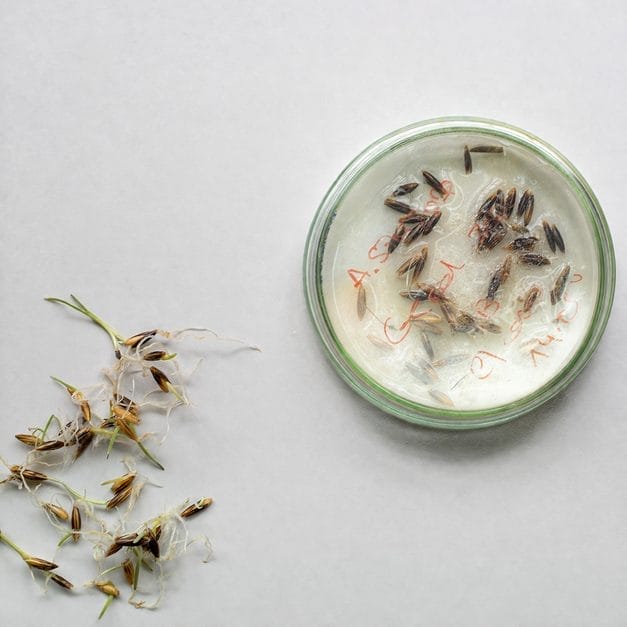
Uma nova tecnologia de revestimento biológico de sementes desenvolvida pelo InnovPlantProtect (InPP), em colaboração com a Fertiprado, poderá vir a transformar o desempenho de pastagens e forragens, contribuindo para sistemas agrícolas mais eficientes e sustentáveis.

Baseada em compostos derivados de algas, esta solução inovadora apresenta efeito bioestimulante e foi concebida para atuar desde as fases iniciais do desenvolvimento das plantas. Os ensaios realizados demonstraram resultados promissores ao nível da estimulação da nodulação em leguminosas, do crescimento vegetativo e da resistência das plantas a condições adversas, com impacto positivo no valor nutricional do pasto.

Este desenvolvimento resulta de um percurso de investigação conjunta que decorreu ao longo de cinco anos, refletindo o compromisso contínuo do InPP em transformar conhecimento científico em soluções com aplicação prática no setor agrícola. A tecnologia encontra-se atualmente em processo de patenteamento e representa um marco relevante no pipeline de inovação do laboratório.

Para a Fertiprado, parceiro estratégico neste projeto, esta tecnologia constitui uma alternativa aos revestimentos tradicionais baseados em compostos sintéticos, reforçando a aposta em soluções mais sustentáveis e alinhadas com as necessidades futuras da agricultura.

O desenvolvimento desta solução insere-se na Agenda Mobilizadora Pacto da Bioeconomia Azul, financiada pelo Plano de Recuperação e Resiliência (PRR), iniciativa que promove a valorização de recursos marinhos através da criação de novos produtos e tecnologias. Como parte do processo de valorização da tecnologia, foi assinado um memorando de entendimento com vista à sua futura exploração comercial.

Num contexto em que a procura por biosoluções agrícolas continua a crescer, iniciativas colaborativas como esta demonstram o papel fundamental da investigação aplicada na resposta aos desafios da sustentabilidade e da produtividade agrícola.

Investigação com impacto no setor agrícola

O trabalho desenvolvido pelo InPP evidencia o valor da colaboração entre ciência e indústria, permitindo acelerar processos de inovação e criar soluções ajustadas às necessidades reais do setor agrícola.

A parceria com empresas constitui um dos pilares estratégicos do InPP, promovendo a transferência de conhecimento científico e o desenvolvimento de tecnologias que contribuem para sistemas agrícolas mais resilientes e sustentáveis.
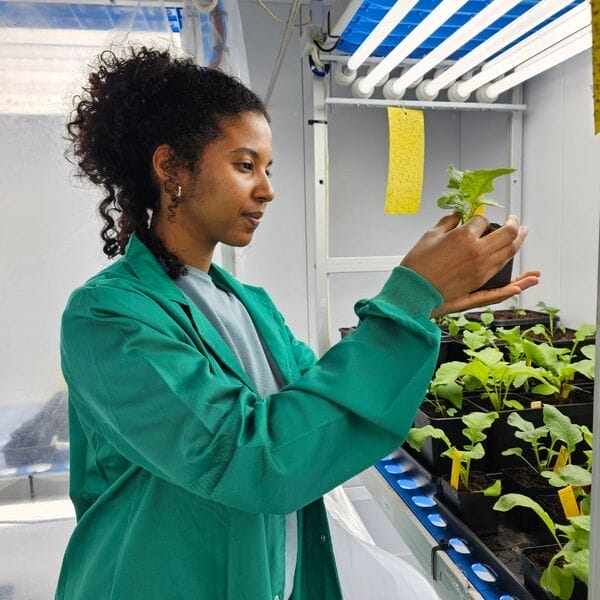
O InPP participou no Fórum Nacional de Clubes Ciência Viva na Escola, que teve lugar no dia 27 de março, integrando a Mostra de Ciência e Tecnologia com um stand dedicado à proteção das plantas.

Neste espaço, foram apresentados diversos materiais demonstrativos, incluindo placas de Petri com fungos e bactérias, plantas, algas e exemplos de produtos formulados, com o objetivo de despertar o interesse e a curiosidade dos visitantes para a importância da saúde das plantas e da investigação científica nesta área.

Ao longo do dia, a Gestora de Comunicação, Inês Ferreira, e o Gestor de Inovação, Paulo Madeira, dinamizaram o contacto com o público visitante, explicando de que forma a investigação em proteção das plantas contribui para melhorar a proteção das culturas e promover uma agricultura mais resiliente e sustentável.

O Fórum Nacional de Clubes Ciência Viva na Escola decorreu no CNEMA, em Santarém, reunindo escolas, centros Ciência Viva, universidades, centros de investigação e diversas outras entidades, num encontro dedicado à ciência, tecnologia e inovação.

O InPP agradece a todos os visitantes que passaram pelo seu stand, destacando a importância destes momentos de partilha para promover o conhecimento científico junto da comunidade.

No dia 26 de março, o InPP participou numa sessão promovida pela Agência Nacional de Inovação (ANI), em Lisboa, que contou com a presença de uma comitiva da República Checa ligada ao setor das biotecnologias.

Em representação do InPP estiveram Cristina Azevedo, Diretora de Biosoluções, e Paulo Madeira, Gestor de Inovação, que apresentou a instituição e as suas principais áreas de atuação e competências.

A iniciativa teve como principal objetivo identificar oportunidades de cooperação entre entidades portuguesas e checas, nomeadamente nas áreas de transferência de tecnologia, codesenvolvimento, ensaios pré-clínicos e diagnósticos, coinvestimento e internacionalização da inovação.

A sessão contou com a participação de representantes de entidades relevantes da República Checa, incluindo Petra Kinzlova, CEO da Prague.bio, Katarina Psenakova, Head of Biology da PharmTheon, bem como representantes da Embaixada da República Checa e da Academia das Ciências da República Checa.

Este encontro contribuiu para reforçar o posicionamento do InPP na promoção de parcerias internacionais e no desenvolvimento de soluções inovadoras, evidenciando o compromisso contínuo da instituição em fortalecer redes de colaboração científica e tecnológica e em contribuir para o crescimento e internacionalização da inovação.

EVENTS

What will be the future of Rocha pear production? This was the motto for the 10th Rocha in Bloom Meeting, InnovPlantProtect (InPP) took part in this project, which brought together technicians, researchers and companies in the March 15th, no Cadaval, to discuss and debate the problem of stenphylosis and other diseases in the Rocha pear tree.

Cristina Azevedo, director of InPP's New Biopesticides department, was one of the speakers on the panel on “Plant Health: Bacterial Fire” with a presentation entitled “A Control Solution”. The panel was moderated by the executive director of the collaborative laboratory, Pedro Fevereiro.

Image credits: ©️ APAS

The panel on “Plant Health: Stenphyliosis and other enemies” featured Ricardo Ramiro, director of InPP's Data Management and Risk Analysis department, with a presentation entitled “A Roselinea and the soil microbiome”.

Image credits: ©️ APAS

In addition to the problem of plant health, the issues of irrigation water and other production management technologies were also addressed.

The opening session was attended by the Chairman of the Board of the Sobrena Agricultural Producers' Association, Rui Soares, and the Mayor of Cadaval, José Bernardo Nunes.

The closing session was attended by the President of the Portuguese Farmers' Confederation, Álvaro Mendonça e Moura, and the President of the General Assembly of the Sobrena Agricultural Producers' Association, Manuel Chaveiro Soares.

The initiative was organized by the Sobrena Agricultural Producers Association (APAS), in collaboration with Cadaval Town Hall.

Find out more about the meeting here.

InnovPlantProtect (InPP) was present last Tuesday, March 12, at the field session “Soil microbiology and its agronomic relevance”, promoted by the Association of Agroforestry Producers of the Sor Region (Aflosor), in collaboration with the Mediterranean Forest Union (UNAC), which took place at Herdade Margem do Sol Posto, located in Foros do Mocho, Montargil.

Soil microbiology, the fundamental role of mushrooms in forest conservation, the impact of extensive livestock farming on soil biodiversity and fertility and its agronomic relevance were some of the topics covered.

Pedro Fevereiro, executive director of InPP, Nuno Faria and João Colaço, researchers from the collaborative laboratory, took part in this session, which was accompanied by experts, and in which they had the opportunity to examine the soil in the field and take part in a debate where they exchanged experiences and knowledge.

Thanks to Aflosor and UNAC for the excellent exchange of ideas that each participant brought to the table!

(Being updated)

InnovPlantProtect (InPP) took part in the second face-to-face meeting of the project Vertical Algae, The event, which took place this Wednesday, March 13, at the University of Aveiro, and of which the collaborative laboratory (CoLAB) is a part.

The meeting, organized by the University of Aveiro, the Portuguese Association of Algae Producers (PROALGA) and GreenCoLab, brought together more than 140 people, representing the 38 partner entities involved in Algae Vertical, with the aim of taking stock of the work carried out by the seven sub-projects and presenting the results obtained so far and the next steps to be taken to achieve the proposed objectives.

The first part of the meeting included an open session that welcomed renowned dignitaries and industry leaders. Among the guests were Miguel Marques, chairman of Inovamar's Board of Directors, João Navalho, chairman of Necton's Board of Directors, José Ribau Esteves, mayor of Aveiro, and Eduardo Anselmo Castro, vice-president of the Centro Regional Coordination and Development Commission (CCDRC). This was followed, in an open format to the community, by a presentation of the latest developments, results and the way forward by the respective representatives of each of the seven sub-projects covering the various industrial sectors.

The director of InPP's New Biopesticides department, Cristina Azevedo, presented the 30 algae biomasses tested as part of subproject 6 linked to agriculture, led by our CoLAB in partnership with GreenCoLab, with the aim of understanding their potential as biopesticides and biostimulants.

Last year's inaugural meeting set ambitious goals for the project, aiming to create products, processes and services using blue biotechnology by December 31, 2025.

The meeting allowed for an exchange of knowledge and ideas, with the unique insights that each participant brought to the table fostering an environment of collaboration and innovation.

The partners will continue their journey through the incredible world of algae with great motivation!

You can (re)watch the recording of the meeting on the project's YouTube channel here.

The Algae Vertical, led by Necton, is part of the Blue Bioeconomy Pact and is driven by Inovamar. It is funded by the European NextGenerationEU, through the Recovery and Resilience Plan (PRR).