News & Events

white plant

NEWS

Each year, crop diseases cause devastating losses in agricultural production, threatening food security and the livelihoods of millions of farmers. In the heart of Alentejo, an innovative project is harnessing the power of genomics to help combat these invisible threats. The AlViGen Project, with the participation of InnovPlantProtect researchers Rute Rego and João Bilro, is paving the way for a new era of crop surveillance and protection.

The Problem and the Solution

“Yellow rust in wheat and olive quick decline syndrome are real scourges for farmers,” explains Rute Rego, a researcher at AlViGen. “These diseases can decimate entire harvests, leading to severe economic losses and compromising food quality.”

But AlViGen is not limited to observing the problem. The team is using cutting-edge technology to detect and identify the strains of fungi that cause these diseases, long before the symptoms become visible.

“We use traps to collect spores circulating in the air,” Rute continues. “These traps allow us to monitor the presence of fungi in real-time, which gives us an important advantage in preventing infections.”

But the magic happens in the laboratory, where the team extracts the DNA from the spores and performs advanced genomic analyses, using powerful DNA sequencing technology based on the metabarcoding method, carried out with cutting-edge technology like the portable Nanopore sequencer.

Rute Rego, a researcher at InnovPlantProtect, analyzes samples of the fungus causing olive quick decline syndrome as part of the AlViGen project.

Unraveling the Genetic Code of Fungi

To better explain what metabarcoding is and its advantage in detecting the presence of species or strains of fungi that cause diseases in crops, the researcher gives the example of a bag full of different types of grains - rice, beans, corn - being analyzed by the reader. “Metabarcoding is like placing a unique label (a ‘barcode’) on each type of grain. Then, you can mix all the grains in a single sample, and by reading the labels, you can identify the quantity of each type of grain present.'”

In the case of AlViGen, this technique allows for the analysis of multiple fungal species simultaneously (in multiple samples), each with its own genetic ‘barcode,’ and to ‘identify exactly which fungi are present, even in small quantities,'” the researcher explains.

And what is the practical impact of this method for monitoring and predicting disease? The AlViGen project researcher can identify, with high precision, the moment when the pathogenic agent begins to appear in the field, which makes it possible to alert farmers in real-time about the risk of disease. Producers can adopt preventative measures and apply the necessary products to avoid infection, contributing to a rapid and effective response in disease prevention.

The Timeline of Fungal Evolution

AlViGen's research is not limited to identifying the microorganisms harmful to crops; it also seeks to understand their evolution and diversity. João Bilro, another researcher on the project, is dedicated to studying the phylogeny of the Colletotrichum fungus, a microorganism responsible for causing olive anthracnose or blight, a disease that affects olive groves in Portugal. This disease mainly affects the olives, which compromises the quality of the olive oil.

“Phylogeny is crucial for understanding how the different strains of Colletotrichum Just as a family tree traces the history of a family, showing how members are related to each other, phylogenetic trees reveal the evolutionary relationships between the different strains of this fungus. Each branch of the tree represents an evolutionary lineage, and the nodes indicate common ancestors. By comparing the DNA sequences of these strains, we can reconstruct their evolutionary history, identifying which are genetically closer or more distant, and thus infer characteristics such as virulence or resistance to fungicides,” he reveals.

This knowledge allows researchers to identify patterns of dissemination and adaptation of the fungus, which is fundamental for developing more effective strategies to contain and/or reduce the damage this fungus causes to Portuguese olive groves.

“One of the challenges of our research is the great genetic diversity of the Colletotrichum,” admits João. “However, by uncovering their evolutionary secrets, we are paving the way for the development of more precise and targeted detection and control methods.”

Left photo: João Bilro, a bioinformatician at InnovPlantProtect, studying the phylogeny of the Colletotrichum fungus within the scope of the AlViGen project; Right photo: Rute Rego and João Bilro discuss ideas about the AlViGen project.

The Future of Agriculture Starts Here

The AlViGen Project aims to have a significant impact on the agricultural landscape, especially in Alentejo, a region with a strong agricultural tradition. By providing farmers with early detection tools and precise information about the microorganisms that cause crop diseases, the project intends to aid in decision-making, allowing farmers to protect their crops and reduce production losses.

“Our ultimate goal is to empower farmers with the knowledge and tools they need to protect their crops sustainably,” states Rute. “We believe that genomic surveillance is a key tool for the future of crop protection.”

João Bilro agrees and adds, “Continuous research is fundamental to keep up with the evolution of harmful microorganisms and to develop new, consistently effective control strategies. In the future, we hope to expand the scope of AlViGen to include other microorganisms and crops, and to make genomic surveillance an accessible tool for all farmers.”

Science at the Service of Agriculture

The AlViGen Project, supported by the Promove Program of the “la Caixa” Foundation, in partnership with Banco BPI and the Foundation for Science and Technology (FCT), is an inspiring example of how science and technology can be applied to solve real-world problems and transform agriculture. By unraveling the genetic secrets of crop microorganisms, Rute Rego and João Bilro are paving the way for a safer, more sustainable, and resilient agriculture.

The fight against crop diseases continues, but with AlViGen, farmers can finally see the enemy before it becomes visible.

Every year, crop diseases cause devastating losses in agricultural production, threatening the food security and livelihoods of millions of farmers. In the heart of the Alentejo, an innovative project is using the power of genomics to help combat these invisible threats. The AlViGen Project, with the participation of InnovPlantProtect researchers Rute Rego and João Bilro, is paving the way for a new era of crop surveillance and protection.

The Problem and the Solution

“Yellow rust on wheat and gafa in olive groves are real scourges for farmers,” explains Rute Rego, a researcher at AlViGen. “These diseases can wipe out entire harvests, leading to severe economic losses and compromising food quality.”

But AlViGen isn't just observing the problem. The team is using cutting-edge technology to detect and identify the strains of fungi that cause these diseases, long before the symptoms become visible.

“We use traps to collect spores that circulate in the air,” continues Rute. “These traps allow us to monitor the presence of fungi in real time, which gives us an important advantage in preventing infections.”

But the magic happens in the laboratory, where the team extracts DNA from the spores and carries out advanced genomic analysis using powerful DNA sequencing technology based on the metabarcoding, The Nanopore portable sequencer is a state-of-the-art technology.

Rute Rego, InnovPlantProtect researcher, analyzes samples of the fungus that causes gafa, as part of the AlViGen project.

Unlocking the genetic code of fungi

To explain more about metabarcoding and its advantage for detecting the presence of species or strains of fungi that cause diseases in crops, the researcher gives the example of a bag full of different types of grain: rice, beans, corn, which is being analyzed by the reader. “Metabarcoding is like putting a unique label (a ‘barcode’) on each type of grain. You can then mix all the grains into a single sample and, by reading the labels, you can identify the amount of each type of grain present.”

In the case of AlViGen, this technique makes it possible to analyze multiple species of fungi at the same time (in multiple samples), each with its own genetic ‘barcode’ and “identify exactly which fungi are present, even in small quantities”, explains the researcher.

And what is the practical impact of this method for monitoring and predicting the disease? The researcher of the AlViGen project is able to identify, with high precision, the moment when the pathogen begins to appear in the field, which makes it possible to alert farmers in real time to the risk of the disease. Producers can adopt preventive measures and apply the necessary products to avoid infection, contributing to a rapid and effective response to disease prevention.

The Timeline of Fungal Evolution

AlViGen's research is not limited to identifying microorganisms that damage crops; it also seeks to understand their evolution and diversity. João Bilro, another researcher on the project, is studying the phylogeny of the fungus Colletotrichum, This is a microorganism responsible for causing gafa or anthracnose, a disease that affects olive groves in Portugal. This disease mainly affects the olives, which compromises the quality of the oil.

“Phylogeny is crucial to understanding how the different strains of Colletotrichum are related and how they have evolved over time,” explains João. “Just as a family tree traces the history of a family, showing how the members are related to each other, phylogenetic trees reveal the evolutionary relationships between the different strains of this fungus. Each branch of the tree represents an evolutionary lineage, and the nodes indicate common ancestors. By comparing the DNA sequences of these strains, we can reconstruct their evolutionary history, identifying which ones are closer or more genetically distant, and thus infer characteristics such as virulence or resistance to fungicides,” he reveals.

This knowledge allows researchers to identify patterns of spread and adaptation of the fungus, which is fundamental to developing more effective strategies to contain and/or reduce the damage this fungus causes to Portuguese olive groves.

“One of the challenges of our research is the great genetic diversity of the Colletotrichum,” admits João. “However, by uncovering their evolutionary secrets, we are paving the way for the development of more precise and targeted detection and control methods.”

Photo from left: João Bilro, InnovPlantProtect bioinformatician, studying the phylogeny of the fungus Colletotrichum as part of the AlViGen project; Photo right: Rute Rego and João Bilro discuss ideas about the AlViGen project

The Future of Agriculture Starts Here

The AlViGen Project aims to have a significant impact on the agricultural landscape, especially in the Alentejo, a region with a strong agricultural tradition. By providing farmers with early detection tools and accurate information on the microorganisms that cause crop diseases, the project aims to help with decision-making, enabling farmers to protect their crops and reduce production losses.

“Our ultimate goal is to empower farmers with the knowledge and tools they need to protect their crops sustainably,” says Rute. “We believe that genomic surveillance is a key tool for the future of crop protection.”

João Bilro agrees and adds: “Continuous research is essential to monitor the evolution of harmful microorganisms and develop new control strategies that are always effective. In the future, we hope to expand the scope of AlViGen to include other microorganisms and crops, and make genomic surveillance an accessible tool for all farmers.”

Science at the Service of Agriculture

The AlViGen Project, supported by the Promove Program of the “la Caixa” Foundation, in partnership with Banco BPI and the Foundation for Science and Technology (FCT), is an inspiring example of how science and technology can be applied to solve real problems and transform agriculture. By unlocking the genetic secrets of crop microorganisms, Rute Rego and João Bilro are paving the way for safer, more sustainable and resilient agriculture.

The fight against crop diseases continues, but with AlViGen, farmers can finally see the enemy before it becomes visible.

On May 13th, the project team AI4Leafhopper presented the new application iCountPests, an innovative solution that uses Artificial Intelligence (AI) to detect and count green leafhoppers in chromotropic traps - quickly, accurately and in real time.

Developed as an intuitive mobile application, the iCountPests was designed to facilitate the monitoring of various agricultural pests. With a simple and accessible interface, it allows users to record the evolution of pests in their crops by submitting photographs of the traps installed in the field.

The application uses advanced computer vision models to automatically detect and count insects, delivering results in around a minute - a much faster and more practical process than traditional manual counting.

In its first version, the app already has a model for detecting the green leafhopper (Jacobiasca lybica), achieving an average accuracy of approximately 90%. Functionalities will soon be added to identify other relevant pests, such as curl moth (Cryptoblabes gnidiella) and grape moth (Lobesia botrana).

In addition to automatic counting, the iCountPests makes it possible to monitor the evolution of pest populations over time, making it easier to identify trends and plan more effective interventions.

This project is the result of a multidisciplinary team combining skills in ecology, entomology, artificial intelligence, computer vision, remote sensing and software development, with the aim of making pest monitoring simpler, more accurate and more accessible.

During the presentation session, it was possible to hear the opinions and suggestions of future users of the application. These contributions are essential if we are to continue to improve the tool and ensure that it responds in a practical way to the real needs of farmers and technicians in the sector. We want to develop solutions that evolve with agriculture!

Innovation is at the heart of everything we do and our motto is clear:
“Innovate together, protect better.”

If you want to know more about iCountPests, contact us by email:
📩 apps@iplantprotect.pt

Image credits: InnovPlantProtect

EVENTS

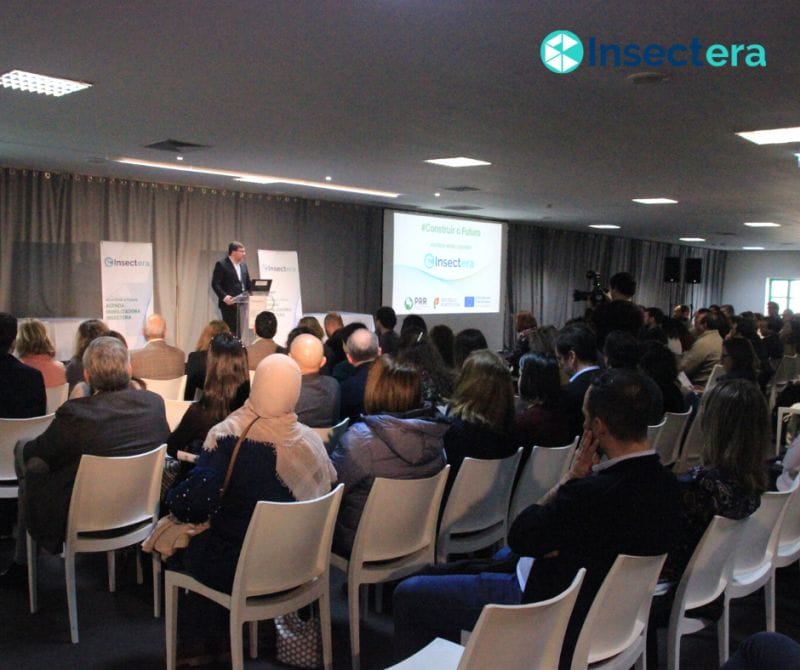
No passada terça-feira, dia 14 de Fevereiro, teve lugar a sessão de lançamento da Agenda Mobilizadora InsectERA – a ERA dos insetos, da qual o InnovPlantProtect (InPP) faz parte, no Centro de Exposições e Mercados Agrícolas, em Santarém.

A agenda InsectERA, um consórcio de 42 entidades nacionais, com produtores de insetos, uma consultora de inovação tecnológica, laboratórios colaborativos (CoLABs) e empresas, liderado pela empresa Ingredient Odyssey SA (responsável pela criação da marca ThenGreen®), a que equivale um investimento total de 43 milhões de euros, e que pretende fomentar a economia circular e alavancar o desenvolvimento de soluções tecnológicas inovadoras à base de insetos para o mercado.

A ideia é devolver subprodutos da agroindústria à cadeia de valor, sob a forma de soluções nutricionais para pessoas, animais e plantas, e de novas soluções industriais, da cosmética aos bioplásticos, bem como para o setor da biorremediação, através da criação de soluções de valorização de resíduos orgânicos.

Pedro Fevereiro, diretor executivo do InPP, esteve presente nesta sessão de lançamento, que juntou cerca de 120 pessoas e que contou com uma explicação sumária dos objetivos e estratégia de implementação do projeto, focando os desafios de tornar uma visão a longo prazo numa realidade até 2025, sendo, como explicado várias vezes, “uma maratona em sprint” na qual todos os parceiros irão acompanhar e contribuir para o sucesso.

A sessão de lançamento contou com a abertura por parte do Presidente da Câmara Municipal de Santarém, Ricardo Gonçalves, que referiu como a sua cidade se deverá tornar a capital do setor bioindustrial dos insetos, gerando-se um conjunto de ferramentas que contribuirão para que Santarém detenha um ecossistema que fomente o desenvolvimento deste setor alavancando-o de Portugal para o Mundo.

A Diretora Geral de Alimentação e Veterinária, Susana Pombo, encerrou a sessão focando os desafios atuais da sociedade que tornam esta Agenda Mobilizadora premente e uma enorme oportunidade de futuro para o nosso país, permitindo que desenvolvimentos técnicos e científicos sejam alavancados de forma acelerada e coordenada envolvendo de forma estreita a cooperação entre entidades legais, centros de I&D e empresas.

O consórcio envolve três produtores de insetos em Portugal (EntoGreen, Thunderfoods e The Cricket Farm Company), a consultora de inovação tecnológica INOVA+, os laboratórios colaborativos B2E CoLab, Colab4Food, FeedInov CoLab e InnovPlantProtect e as empresas Auchan, Mendes Gonçalves, Agromais, Silvex, Mesosystems, Sorga, Savinor, Nutrifarms, PetMaxi, Sensetest, Solfarcos, entre outras.

Saiba mais informações sobre a Agenda Mobilizadora here.

Pedro Fevereiro, diretor executivo do InPP, marcou presença na sessão de lançamento, entregando a placa comemorativa alusiva ao início deste projeto, no qual o InPP participa

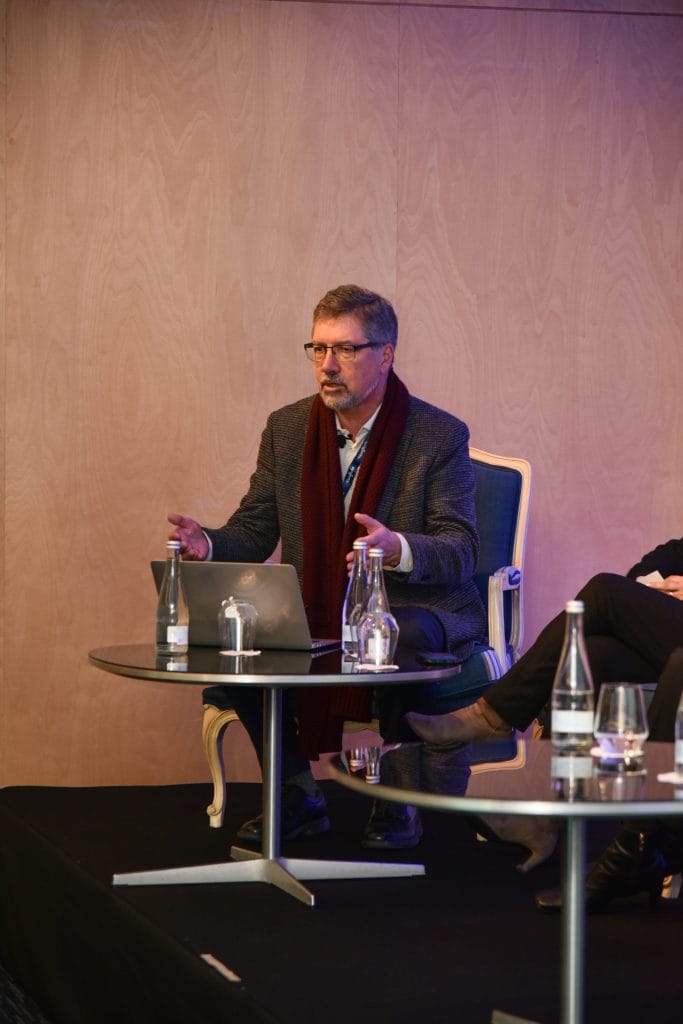
Pedro Fevereiro, diretor executivo do InnovPlantProtect (InPP), participou no Simpósio “Semente & Biotecnologia: da inovação à sustentabilidade”, promovido pelo Centro de Informação de Biotecnologia (CiB) e pela Anseme, que teve lugar no passado dia 27 de Janeiro, em Coimbra.

O diretor executivo moderou a mesa redonda “O papel das Novas Técnicas Genómicas (NTG) no melhoramento de plantas”, que contou com a participação de Paula Cruz Garcia da Direção-Geral de Alimentação e Veterinária (DGAV), Priscila Jacobitz da CropLife Europe, Ana Barradas da Fertiprado e António Sevinate Pinto da Anseme.

O evento pretendeu alertar para a importância do setor das sementes e das NTG, ainda não regulamentadas na União Europeia, bem como discutir aspetos relacionados com a dependência alimentar e as relações de concorrência com outras regiões do globo em que estas tecnologias são já uma realidade.

Este foi mais um passo para a inovação e sustentabilidade na área da biotecnologia.

Na passada quinta-feira, dia 26 de Janeiro, os investigadores do InnovPlantProtect (InPP) estiveram na Elvas School of Agriculture of Polytechnic Institute of Portalegre para realizar o workshop “Agricultura, Biodiversidade, Economia Circular” que pretendeu fazer a ponte entre a investigação e a comunidade escolar.

O workshop, que teve como público-alvo os alunos do Ensino Secundário da Escola D. Sancho II, em Elvas, e do Ensino Superior da Escola Superior Agrária de Elvas, e professores, pretendeu despertar os alunos para a importância da biodiversidade e da economia circular na agricultura e para os vários fatores que podem contribuir de forma positiva para a agricultura, tornando-a uma atividade cada vez mais sustentável, com consequências ao nível da produção e do seu impacto no ecossistema.

No workshop decorreram três palestras que tiveram como oradores investigadores do InPP. A diretora de departamento iLaria Marengo e a investigadora Maysa Toledo foram as oradoras da primeira palestra que teve como tema “Pode a biodiversidade e a economia circular tornar a agricultura mais sustentável”.

A segunda palestra “Insectos: Bons, maus e como identificá-los” teve como oradores os investigadores Nuno Faria e Hadi Sheikhnejad. Ricardo Ramiro, diretor de departamento, ficou responsável pela terceira palestra que teve como tema “Microbioma: o que é e para que serve na agricultura”. A moderação do workshop esteve a cargo de Ana Cordeiro, professora da Escola Superior Agrária de Elvas, e de Paula Grilo, professora da Escola Secundária D. Sancho II.

“Este workshop permitiu-nos perceber o que é a agricultura e tocou em vários assuntos que interessam aos futuros agronómos. Para muitos hoje em dia, a ideia de estudar agricultura é ‘cavar a terra’ e, num cenário de alterações climáticas, a grande missão dos agrónomos é assegurar alimento para a população, e o workshop está feito de uma forma fantástica que aborda a parte dos insetos, das pragas agrícolas e permite perceber as soluções biológicas que podemos ter na agricultura para assegurar alimento e proteger os ecossistemas”, afirmou Henrique Canha, aluno da Escola Superior Agrária de Elvas.

“Este é um tema que está na ordem do dia e como vimos tivemos um feedback extremamente positivo por parte dos alunos”, destacou Ana Cordeiro, professora da Escola Superior Agrária de Elvas. “A parceria com o InPP é fundamental. Iniciamos esta parceria com o estágio de uma aluna e já iremos ter mais dois alunos a colaborar no CoLAB e está a ser fantástico. (…) É de facto uma excelente simbiose”, sublinhou.

Programa do workshop “Agricultura, Biodiversidade, Economia Circular”, que decorreu no dia 26 de janeiro, pelas 14 h, na Escola Superior Agrária de Elvas