
BACKGROUND
In the context of the European Green Deal, cereal production and producers in Portugal face the following challenge: to make the transition to digital agriculture, in particular with the introduction of the IoT (Internet of Things) and integrated and remote production management, in order to ensure the practice of technologically advanced agriculture and, at the same time, guarantee the environmental, economic and social sustainability of farms and their contribution to carbon neutrality.
In addition to this context, there is also the challenge of guaranteeing national and European food security and its strategic relevance, where the current performance of the agricultural trade balance in parallel with the international situation needs to be addressed, in line with the “National Strategy for the Promotion of Cereal Production”, where “...aims to achieve a degree of self-sufficiency [1] in cereals of around 40% (corresponding to 80% for rice, 50% for maize and 20% for cereal grains, wheat, barley and oats) within 5 years.
In Portugal, “...at the end of the 1980s, the area occupied by cereals corresponded to around 900,000 hectares, approximately 10% of the national territory, having fallen to 257,000 hectares in 2016. Self-supply levels currently stand at around 23%...”, which represents a high level of dependence on the outside world. Portugal has a serious food sovereignty problem when it comes to cereals. There are many factors that have led to this situation, but most of them are related to issues of the sector's competitiveness on foreign markets.
[1] What is the degree of self-supply?
It is the ratio between domestic production and consumption of a given product. This indicator measures the need for imports or export capacity.
The +Valorcer project aims to improve cereal production in Portugal, which in the long term could mean greater self-sufficiency.

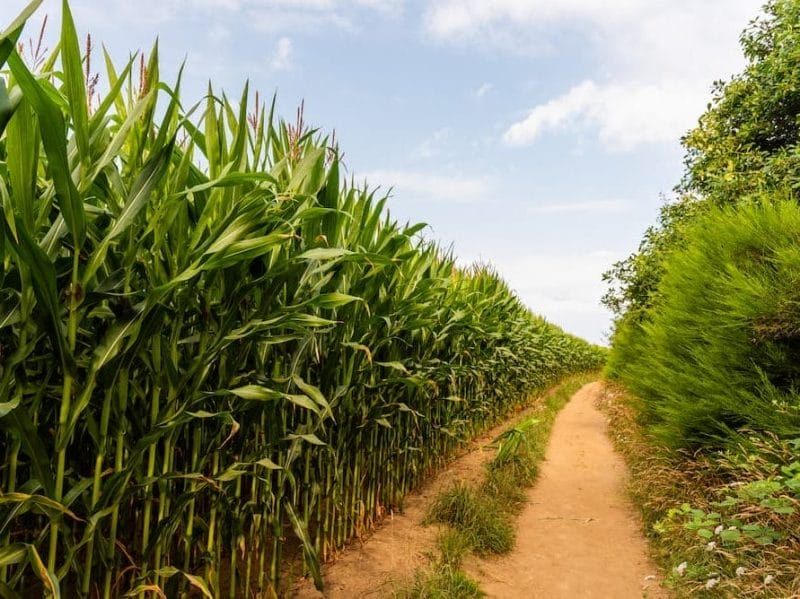

In addition, society today has to respond to four major trends: the need to be more efficient in order to feed an ever-growing population; in a world that is becoming more ecological and sustainable; that is looking for new food alternatives that are both safer and nutritionally balanced; and that increasingly recognizes the importance of the origin and proximity of what it consumes.
In order to turn these challenges into opportunities, it is essential to respond in an innovative and transversal way to the enormous need to evolve the national production fabric, introduce quality criteria and make consumers understand and appreciate the added value of consuming national cereals: a high quality, healthy product of known origin; and, at the same time, prepare the entire sector for a future of intelligent agriculture, contributing to the effective creation of value across the board.

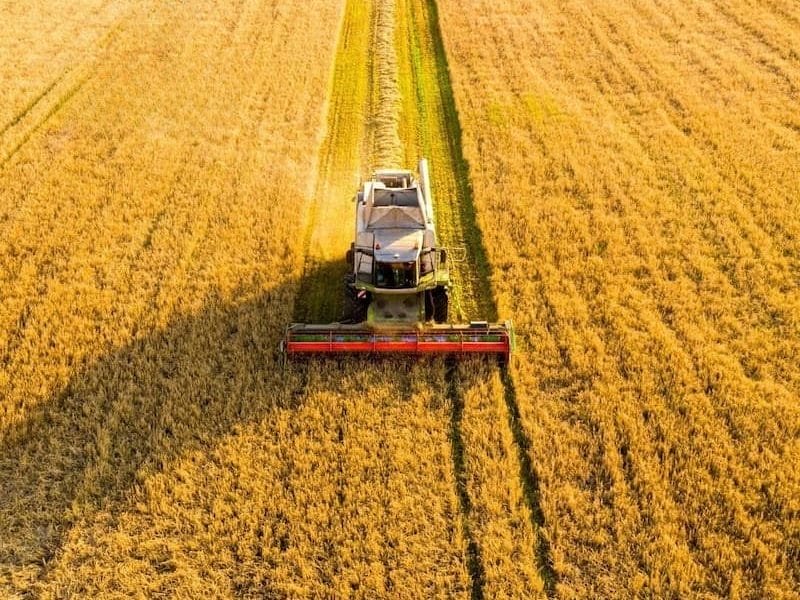
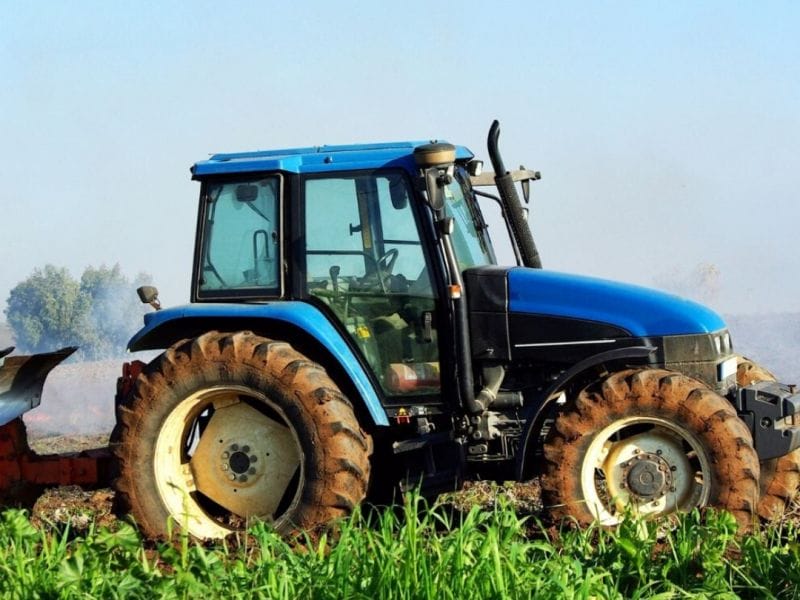
SYNOPSIS
The +Valorcer project, led by the InPP, is a response to the lack of organizational strength of most cereal Producers' Organizations. It aims to make Producers' Organizations more structured and organized, more competent and more efficient (in terms of processes and the use of resources), more knowledgeable about the market, capable of doing better business, communicating better and obtaining maximum value for their products.
The main objective of the project is to encourage innovation, greater efficiency and the enhancement of cereal production in Portugal, contributing to the modernization of the cereal sector at national level.
- Innovation in cereal production - Preparing the entire sector for a future of intelligent agriculture, contributing to the effective creation of value across the board;
- Adding value to cereal production - Introducing quality criteria and making consumers understand and appreciate the added value of consuming national cereals;
- Creating a traceability scheme - Integrating innovative technology blockchain [2], which is based on generating databases on the process of production, transaction and consumption of a product or service, not only to guarantee the quality and transparency of the food supply chain, but also to serve as a vehicle for transforming the national productive fabric, which will have to incorporate practices and processes capable of feeding the entire system.


[2] What is blockchain?
A blockchain is a transformative technology that makes it possible to trace the origin of food and help create reliable, safe and quality food supply chains capable of building trust between producers and consumers. This technology can record every step of a product's value chain, from its creation to its final destination.
What are the main advantages of blockchain for those involved in the production chains?
There are many advantages. In the case of:
-Producers - They are now able to make individual information about their products available with the greatest transparency, which helps to establish a relationship of trust with consumers and build the reputation of their products;
-Consumers - They get to know how the food they eat is produced, processed, packaged, labeled and sold;
-Companies - They will be able to value their products, improving their quality and increasing their competitiveness;
-Regulatory agencies - gain access to reliable and accurate information so that they can carry out informed and efficient regulations.
OBJECTIVES
1. Make a diagnosis of the reality of Producer Organizations in Portugal.
2. Establish a productive benchmark that will then be prescribed to all organizations.
3. To monitor the implementation of this productive benchmark, which will include training plans adapted to each of the organizations involved.
4. Implement a communication strategy that conveys this reality to the end consumer.

+Valorcer project logo
ORGANIZATIONS INVOLVED

FINANCING


 Português
 English