
As part of its strategy for developing bio-inspired products, InnovPlantProtect (InPP) is building a library of microorganisms isolated from various environments, which are being identified by molecular characterization and evaluated for their biochemical properties, indicative of their potential role as Biological Control Agents (BCA). In parallel, InPP is building up a portfolio of phytopathogenic agents (bacteria and fungi), which will serve as a basis for evaluating the BCA. in vitro e in vivo the potential of isolated BCA.


According to the Food and Agriculture Organization of the United Nations (FAO), around 40% of global agricultural production is lost every year due to pests and diseases, which translates into losses of more than 195 billion euros. For decades, phytopharmaceuticals have played a fundamental role in maintaining agricultural health, protecting crops against pests and diseases and ensuring food safety. However, their excessive and sometimes inappropriate use has a negative impact on soil, water and biodiversity, and can have harmful effects on the health of animals and humans.
As part of the “From Farm to Fork” strategy, one of the pillars of the European Green Deal, the European Commission has set targets for the sustainable use of phytopharmaceuticals, one of which is to reduce their use by 50% by 2030. In order to cope with the withdrawal of these products from the market, it is necessary to develop effective, sustainable, environmentally friendly and economical alternatives.
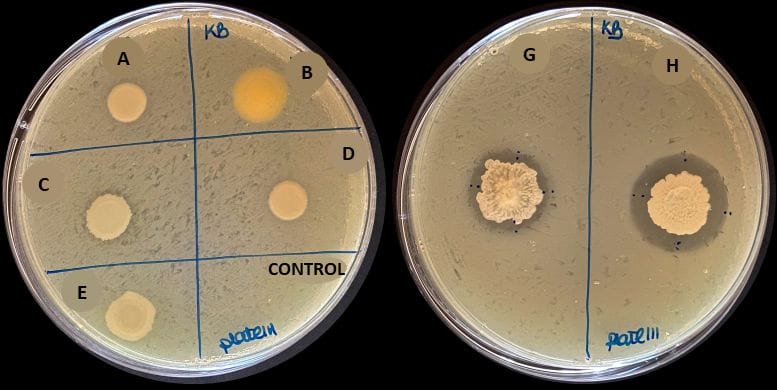
One of these alternatives is the use of BCA. These microorganisms are efficient at reducing the incidence or severity of diseases caused by phytopathogens, and some also act as biostimulants, i.e. they have the ability to increase the strength and speed of plant development.
There are several mechanisms through which BCAs carry out their functions, namely: inducing resistance mechanisms in the plant; competing with pathogens for space and nutrients; interacting through antibiosis mechanisms (in which one organism harms the development of the other); secreting antimicrobial or antifungal compounds; and invading and/or killing the cells of plant pathogens.
 Português
 English