
From September until November, the “AlViGen: Creation of a hub in the ALentejo for the GENomic VIgilance of diseases in agriculture” project team will be in the field to install spore traps, known as capta-esporos, in olive groves in Portalegre, Monforte, Elvas, Évora and Beja. The traps make it possible to capture spores from fungal species that circulate in the air and, in particular, from different strains of the fungus Colletotrichum, This is responsible for causing gafa disease in Olival.
The aim is to identify some important characteristics of this pathogen, such as virulence and resistance to fungicides or pesticides.
In total, the spore traps were installed in eight olive groves in the Alentejo (Alto, Central and Baixo), a region that is the main producer of this crop at a national level, and where the fungus Colletotrichum has had a particular impact.
The team will take samples every two weeks for three months a year during the olive tree's productive cycle. Regular monitoring of the diversity of fungal species circulating in the olive groves will also make it possible to detect the appearance of new pathogenic fungi.
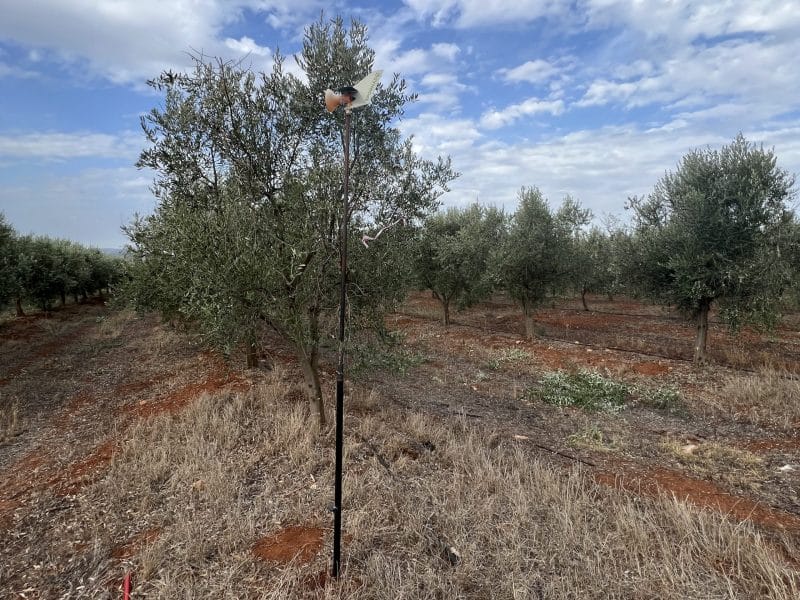
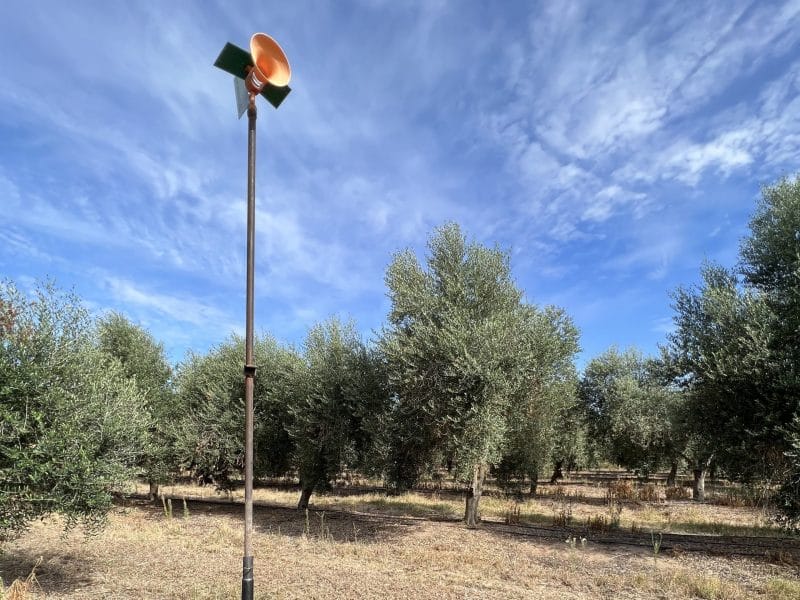

AlViGen, coordinated by InnovPlantProtect (InPP) in partnership with the University of Évora (WOW), was one of the innovative pilot projects selected last October and funded by the La Caixa Foundation, BPI Bank and the Foundation for Science and Technology (FCT), as part of the 4th edition of the Promove Program. This project will enable InPP to create the capacity for early detection of multiple crop diseases, using molecular methods that allow the identification of important characteristics of pathogens, such as virulence, susceptible varieties and resistance to phytopharmaceuticals, benefiting producers and government authorities.
Find out more about the AlViGen project on the project website here.
FINANCING

 Português
 English