

InnovPlantProtect was present at the Science 2020 Meeting, which took place on November 3 and 4 at the Lisbon Congress Center in a hybrid format (face-to-face and online). Pedro Fevereiro, CEO of InPP, spoke about the activity of this Collaborative Laboratory in Elvas and its objectives for protecting Mediterranean crops from pests and diseases.
After 18 of the 26 Collaborative Laboratories (CoLAB) recognized in Portugal were presented on the first day of the Ciência2020 Meeting, the event continued yesterday with the presentation of eight more CoLAB, including InnovPlantProtect (InPP).
In the session dedicated to Biodiversity and Forestry and Agri-food (session 3), moderated by ANI-National Innovation Agency, InPP's CEO, Pedro Fevereiro, gave a short seven-minute presentation in which he spoke about the importance of InPP's activity in the current context of major challenges for food production.
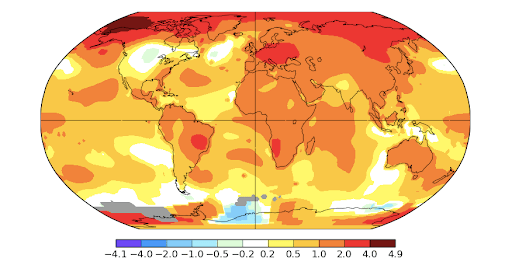
This Collaborative Laboratory based in Elvas is trying to develop innovative biological solutions to protect agricultural crops from the effects of emerging pests and diseases for which there are no solutions on the market. These pests and diseases, due to the increase in global average temperature, are moving and settling in territories where they didn't exist before, including Portugal.
If the current situation is serious - “around 40% of the world's crop production is lost to pests and diseases every year”, as Pedro Fevereiro pointed out - imagine what it will be like when the average global temperature rises by the much-feared 2 degrees Celsius. “Climate change is increasing the risk of new pests and diseases emerging and expanding the areas affected. This problem, coupled with the EC's decision to discontinue traditional active molecules [synthetic agrochemicals] in Europe, imposes the need to develop alternative solutions,” warned the researcher who leads InnovPlantProtect, stressing that this is precisely the focus of the activity of the CoLAB he leads.
In this sense, sustainability is the concept that best characterizes the products that InPP is developing. “New solutions for protecting Mediterranean crops must be more sustainable. In addition to new biopesticides based on oligopeptides and small RNAs, and formulated with biocompatible micro or nanoparticles, InPP will develop new plant varieties through genome editing and molecular selection assisted by molecular markers,” he explained.
With regard to the most interesting crops for the application of these solutions, Pedro Fevereiro gave a list of fruits and cereals whose production is of great importance to the national economy: olive trees, pears, grapes, cherries, blackberries, raspberries, strawberries, citrus fruits, tomatoes, almonds, corn, wheat, barley, oats and rice.
In addition to products, InPP will also provide services for the identification and molecular diagnosis of pests and diseases, as well as the “characterization of matrices using Fourier Transform Infrared (FTIR) spectra analysis, the molecular certification of plant varieties, the monitoring and diagnosis of pests and diseases, the creation of models for the spread of agricultural pests and diseases, forecasting models based on remote sensing data and risk models for emerging pests and diseases.
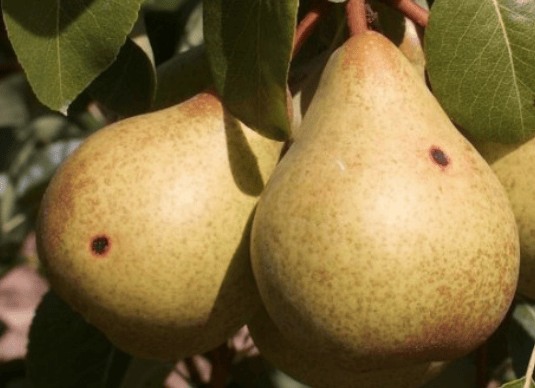
Pedro Fevereiro concluded his presentation at the Ciência2020 meeting with a summary of InPP's agenda for the coming months. In this regard, he revealed that InnovPlantProtect, the only one in Portugal working in this area of innovation, intends to develop a biopesticide to control the Xylella fastidiosa, a molecular strategy to control stenphyliosis in Rocha pears, tools based on geographic information systems to assist public and private decision-making in pest and disease control, an Artificial Intelligence-based early detection system for the early detection of the decline of cork oak forests produced by Phytophthora, Finally, to identify bread wheat alleles resistant to the new “Warrior” race of yellow rust and mobilize them in the desired varieties.
 Português
 English